
Life before and after having a German Shepherd puppy splits your life into two clean chapters: the one where you researched dogs, and the one where you live with one. The shift is bigger than most first-time owners expect — in routines, in your home, in your social calendar, and surprisingly, in yourself. This guide walks through the transformation honestly: what to prepare before the puppy arrives, what the first weeks actually feel like, the training timeline that shapes everything after, and the long-term payoff that makes the hard stretch worth it.
It helps to start with what you are signing up for. The German Shepherd is a working breed — intelligent, loyal, athletic, and wired to bond intensely with its people. A black German Shepherd, a sable, or a classic black-and-tan puppy will grow into a 60–90-pound dog with real exercise needs and a brain that needs occupying. Owners who prepare for that reality thrive; owners who expect a decorative pet struggle. Preparation is the whole difference between the two outcomes, so let’s start there.
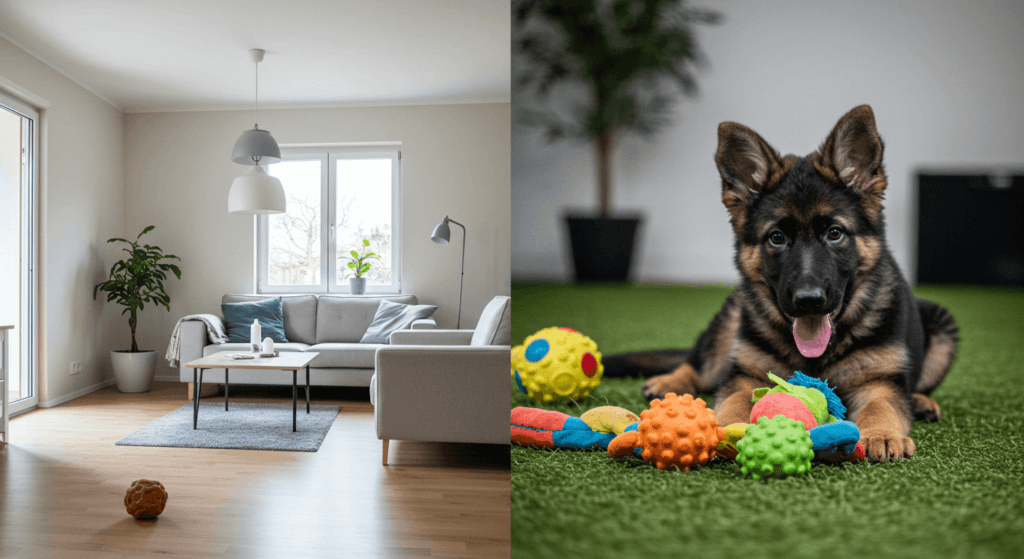
Table of Contents
- Before the Puppy Arrives: Getting Home and Life Ready
- After the Puppy Arrives: The First 72 Hours
- Daily Routines: Life Before and After Having a German Shepherd Puppy
- Training: The Timeline That Shapes Everything
- Social Life: What Changes for You
- Health and Wellness: Building a Thriving Adult
- The Long-Term Payoff: What Life Looks Like at Year Two
- Before You Decide: A Self-Check for Future Puppy Parents
- Frequently Asked Questions
- Sources and Further Reading
Before the Puppy Arrives: Getting Home and Life Ready
Before the puppy arrives, your home is probably a clutter-free sanctuary. After, it becomes a dynamic space engineered around a furry tornado with a working nose and an experimental relationship with furniture. Start with puppy-proofing done properly, not superficially: secure or hide electrical cords, remove toxic plants (many common houseplants are dangerous to dogs), put medications and cleaning products behind closed doors, and invest in chew-resistant covers for furniture legs you care about. German Shepherd puppies are large enough by four months to reach countertops and tables that would stop a smaller breed — puppy-proof for the adult size, not the eight-week size.
The shopping list that actually matters
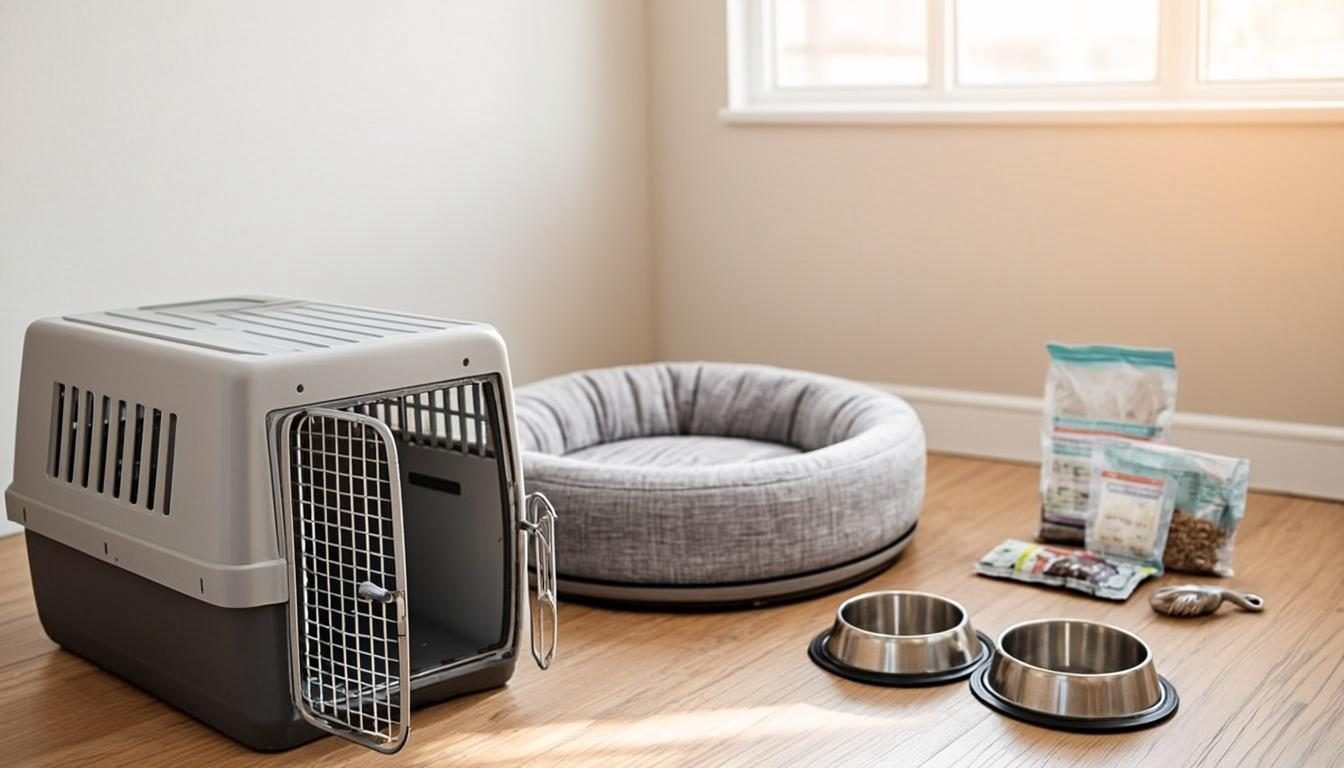
Pet stores will happily sell you hundreds of dollars of gear you do not need. The essentials are short:
| Item | Why it matters | Typical cost |
|---|---|---|
| Size-adjustable crate | Housebreaking, safe alone-time, travel | $50–$130 |
| Durable chew toys (e.g., KONG Classic) | Redirects biting; saves furniture | $10–$25 each |
| Large-breed puppy food | Controlled calcium for joint development | $60–$90/month |
| Baby gates | Manage access during unsupervised moments | $20–$60 |
| Flat collar or harness + 6-ft leash | Early leash skills start week one | $25–$60 |
| Food and water bowls (elevated optional) | Basic hygiene | $10–$30 |
Budget awareness matters as much as gear. Between the purchase price, veterinary visits, food, training, and equipment, the first year with this breed typically runs $2,000–$4,500 — our complete German Shepherd puppy cost breakdown itemizes every line so nothing surprises you at month three.
After the Puppy Arrives: The First 72 Hours
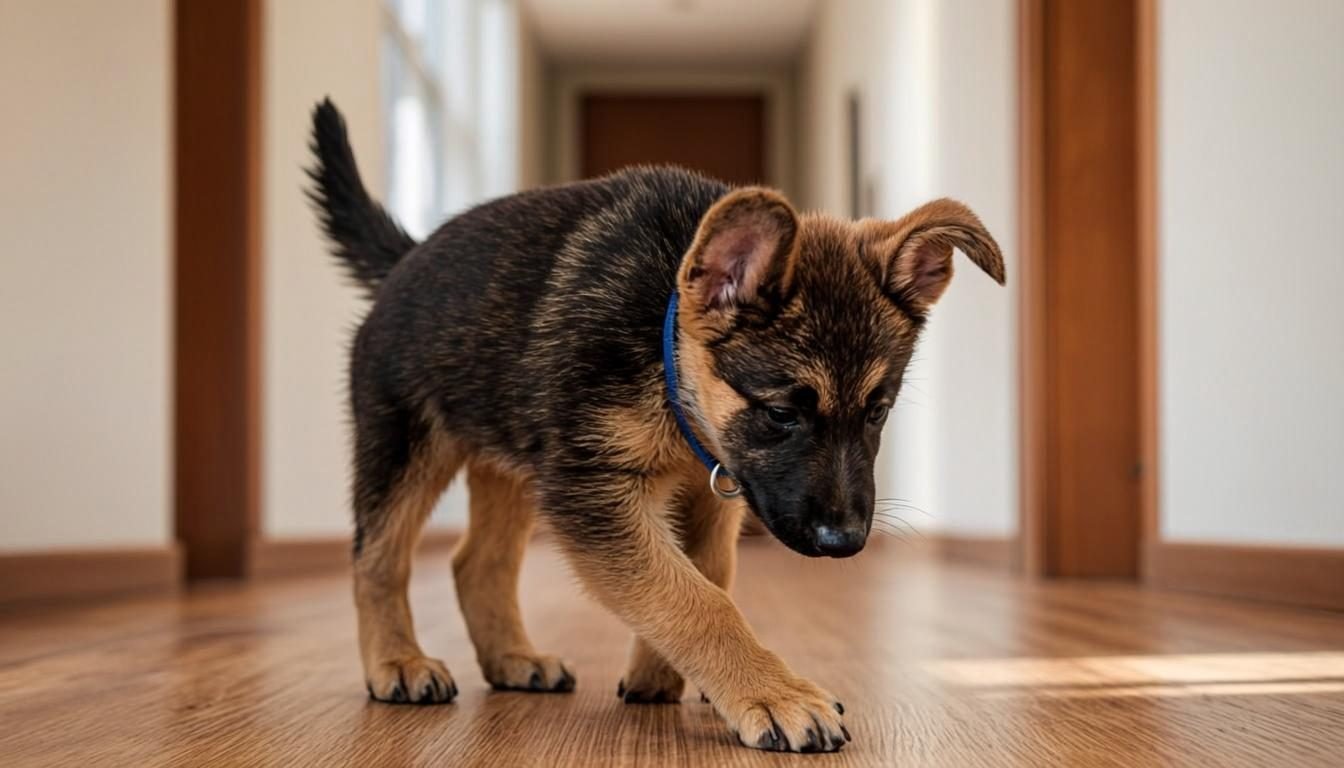
After having a German Shepherd puppy, expect the first three days to feel like survival mode — and know that this is normal. The puppy has just left its mother and littermates for the first time in its life. Plan for: a potty trip every 1–2 hours during the day (and 1–2 night trips until 12–14 weeks), short crate sessions that always end well, gentle handling by everyone in the household, and deliberately boring surroundings while the puppy decompresses. Skip visitors for the first few days; let the puppy learn that its new den is quiet and safe before the social calendar opens.
Night one usually involves crying. The humane approach is a crate beside your bed, a warm blanket, and brief reassurance without turning 3 AM into playtime. Most German Shepherd puppies settle within a week when the routine stays boring and predictable. Resist the urge to over-comfort with energy — calm voice, quick potty trip, back to bed.
Daily Routines: Life Before and After Having a German Shepherd Puppy
Your mornings might once have involved leisurely coffee and spontaneous plans. Now the day starts at dawn, and structure becomes your best friend — German Shepherds thrive on routine because predictability is how working breeds learn the world. A realistic day with an 8–12-week-old puppy:
| Time | Activity |
|---|---|
| 6:00 AM | Potty trip, short play, breakfast |
| 7:30 AM | Potty after eating, brief walk on property |
| 9:00–11:30 AM | Nap in crate (puppies sleep 18–20 hrs/day) |
| 12:00 PM | Potty, lunch, 5–10 min training session |
| 2:00–4:00 PM | Nap, then supervised play/socialization |
| 6:00 PM | Dinner, potty, calm family time |
| 10:30 PM | Final potty, into crate for the night |
Yes, late-night outings and spontaneous weekends shrink. The owners who adjust fastest treat the schedule as a feature, not a cage — the same structure that exhausts you in month one is what produces a calm, reliable adult dog by month eighteen. And the discipline transfers: many owners report that the routine built around the puppy improves their own sleep, fitness, and time management.
Training: The Timeline That Shapes Everything
Training is the single biggest variable in life after having a German Shepherd puppy, because this breed takes whatever you build — good habits or bad ones — and amplifies it. The breed learns commands in fewer than five repetitions when motivated, and it also learns to open gates, raid counters, and run the household just as fast when unguided.
Weeks 8–12: name recognition, crate comfort, potty routine, and bite inhibition — every puppy mouths, but Shepherds mouth with conviction, so redirect to toys consistently. Weeks 12–16: the critical socialization window; expose the puppy to varied people, surfaces, sounds, and calm vaccinated dogs before it closes. Months 4–6: leash manners, sit/stay/down, recall games, and continued handling tolerance (nails, ears, teeth). Months 6–12: adolescence arrives — testing boundaries, selective hearing, and a second chewing phase. Hold the line; consistency now is what separates the well-mannered adult from the 80-pound problem.
Our complete guide to German Shepherd puppy training breaks this timeline down week by week, the full training techniques guide covers methods from basics to advanced control, and the breed-specific pitfalls — the mistakes that create reactive or over-protective adults — are collected in five critical care mistakes every owner must avoid. Read the last one before you need it.

Social Life: What Changes for You
Before: weekends meant brunches, trips, and spontaneity. After: outings require planning — but “less freedom” is the wrong frame. What actually happens is that your social life reorganizes around the dog. Hikes replace bar crawls; dog-friendly patios replace restaurants that will never see you again; friendships with other dog owners form at training classes and parks with surprising speed. Use pet-sitting services like Rover for the trips that cannot include the puppy, and book them early — holiday weekends fill weeks ahead.
Two practical rules preserve both your social life and your puppy’s development. First, no forced greetings: your Shepherd puppy does not need to meet every stranger or dog, and calm observation counts as socialization. Second, end every outing before the puppy melts down; a tired, overstimulated puppy teaches you nothing except that the world is scary.
Health and Wellness: Building a Thriving Adult
The veterinary rhythm of the first year is busier than new owners expect. Typical schedule: vet check within 48 hours of pickup, then vaccine visits at roughly 8, 12, and 16 weeks, spay/neuter discussions around 6–12 months (many breeders and vets now recommend waiting until 12–18 months for this large breed), and monthly parasite prevention throughout. See AVMA resources for vaccine guidance your vet will tailor to your region.
German Shepherds carry known joint risks — hip and elbow dysplasia foremost — so two preventive moves matter more than any supplement: keep the puppy lean (you should feel ribs easily, see a waist from above) and avoid repetitive forced exercise like jogging on pavement before growth plates close around 12–18 months. Food is the third pillar: large-breed puppy formulas with controlled calcium support slow joint development, and portion discipline matters more than brand marketing. Our German Shepherd puppy feeding chart gives exact portions by age and weight, and the puppy nutrition guide explains how to read labels like a breeder does.
The Long-Term Payoff: What Life Looks Like at Year Two
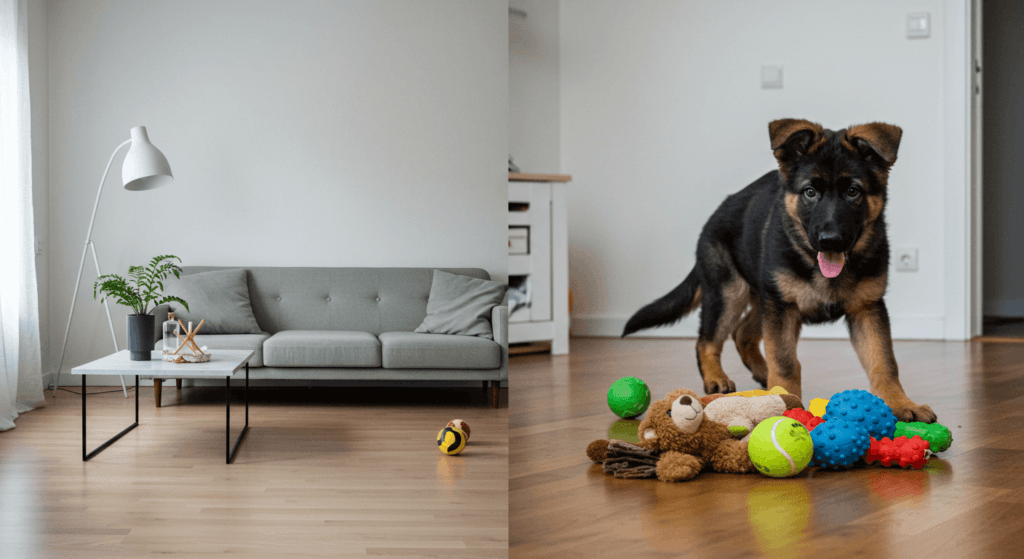
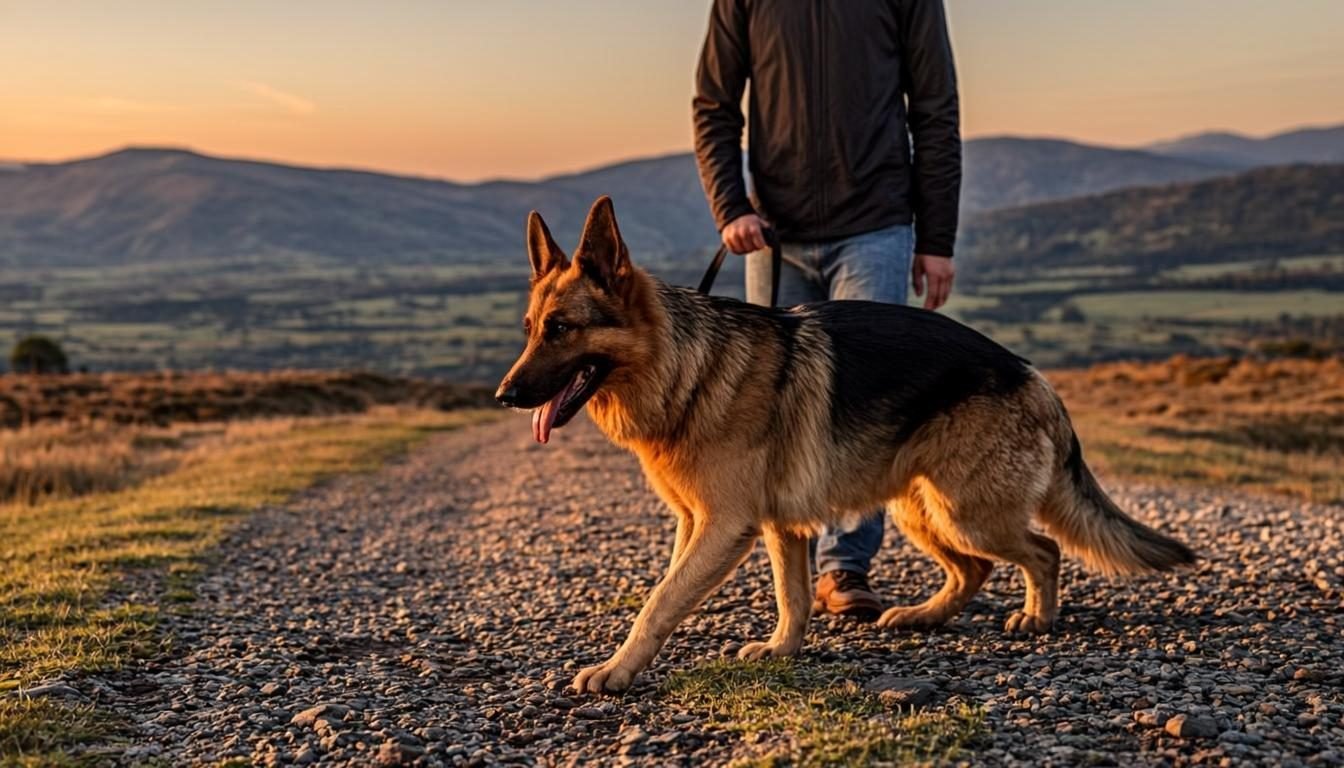
The before-and-after gap closes into something most owners would never trade. A trained adult German Shepherd walks loose-leash past distractions, settles quietly while you work, and watches your home with an intelligence that feels almost conversational. The daily walk you once resented at 6 AM is now the reason your resting heart rate improved. The emotional bond deepens with every year — owners consistently describe the breed as a dog that knows them, anticipates routines, and positions itself between its family and anything unfamiliar.
| Aspect of life | Before the puppy | After (year 1) | After (year 2+) |
|---|---|---|---|
| Mornings | Flexible, unhurried | Potty, feed, walk on schedule | Same routine, fully automatic |
| Home | Tidy, intact furniture | Managed chaos, gates and crates | Rebuilt for a 70–90 lb dog |
| Social life | Spontaneous | Planned around puppy needs | Rebuilt around dog-friendly life |
| Fitness | Varies | Forced daily walks | 1.5–2 hrs activity you now enjoy |
| Security | Alarm system | A noisy teenager | A natural deterrent who watches |
| Bond | — | Building trust | Unbreakable partnership |
Taken together, life before and after having a German Shepherd puppy is a trade: your spontaneous weekends and spotless floors on one side, structure, companionship, and a shadow that follows you from room to room on the other. The self-check below tells you honestly whether that trade fits your life right now – and it is fine to decide it does not, yet.
Before You Decide: A Self-Check for Future Puppy Parents
Before choosing a breeder or falling for a litter photo, run the honest self-check that separates thriving owners from overwhelmed ones. Time: can you commit 2–3 focused hours daily for the first six months, including two training sessions? Money: is a $2,000–$4,500 first year and an ongoing $1,000–$1,500 annual budget realistic without stress? Space: does your home accommodate a large crate, secure outdoor access, and a dog that will weigh as much as an adult human? One more line belongs in that first-year budget: dog insurance options are cheapest when enrolled at puppy age.
Household agreement: is everyone committed to the same rules — because mixed messages teach a Shepherd to exploit the permissive adult. Patience with destruction: something you love will probably get chewed once. If you answered yes to all five, the transformation this guide describes will be one of the most rewarding of your adult life. If any answer is no, solve that problem first — the breed is patient, but only with owners who prepared.
Q: Male or female German Shepherd puppy — does it change daily life?
Moderately. Males run larger and heavier (often more physical strength to manage on leash); females mature mentally slightly faster, which can ease the training ramp. Temperament varies more between individual dogs and breeding programs than between the sexes when both are neutered/spayed.
Q: Should I get two puppies at once?
Rarely recommended, especially in this breed. Littermates bond to each other instead of the family, double the workload, and frequently develop inter-dog conflict at maturity. Train one well, then decide.
Further reading: Preparing for puppy life? These guides help at every stage: raising a German Shepherd puppy how to train a German Shepherd puppy not to bite.
Frequently Asked Questions
Q: How long until life feels normal again?
Most owners report the first 4–6 weeks are the hardest (potty trips, sleep disruption, biting). By month three a working routine exists; by month six the puppy knows the household rhythm; real “normal” returns around adolescence’s end, at 12–18 months.
Q: Can I still work full-time with a German Shepherd puppy?
Yes, with management: a crate-safe space, a midday break (dog walker, neighbor, or lunch-at-home visit) for the first 4–6 months, and committed morning and evening sessions. The breed bonds deeply with owners who make their time count, not constant.
Q: What is the hardest part of raising a German Shepherd puppy?
Three things tie: nipping (weeks 8–16), adolescence (6–12 months), and the exercise demand that arrives with adulthood. All three are temporary or manageable with the training timeline above.
Q: Is a German Shepherd puppy good for first-time owners?
Yes, if preparation is real: training classes from week 12, realistic budget, and willingness to learn alongside the dog. Our honest overview of German Shepherd puppies helps first-timers set expectations.
Q: How do I stop the puppy from biting everything?
Redirect to a toy every time, end play when teeth touch skin, and ensure enough sleep — overtired puppies bite hardest. Bite inhibition improves dramatically between 4–6 months as adult teeth settle in.
Q: When does the “after” become better than the “before”?
Almost universally somewhere in year two — when the trained adult can go everywhere with you and the partnership you built shows up daily. Every owner we hear from says the investment compounds.
Sources and Further Reading
The following authoritative resources provide additional context for the guidance in this article. They do not replace advice from a qualified veterinarian or behavior professional.