
Unlock expert German Shepherd puppy training tips for a well-behaved companion. Master obedience, socialization & positive reinforcement in our ultimate guide!
Affiliate disclosure: As an Amazon Associate, German Shepherd Haven earns from qualifying purchases made through marked links on this page, at no extra cost to you. See our full Affiliate Disclosure.
German Shepherds are renowned for their intelligence, loyalty, and versatility, making them one of the most popular dog breeds worldwide. However, their strong-willed nature and high energy levels demand structured training from an early age. In this comprehensive guide, we delve into the best German Shepherd puppy training tips, combining expert insights, scientific research, and practical strategies to help you raise a disciplined, confident, and happy companion.
>Why the Best German Shepherd Puppy Training Tips Start Early
The window matters more than anything else on this list. German Shepherd puppy training started between eight and sixteen weeks shapes the adult dog you will live with for a decade, because this is the phase when puppies generalize fastest and forget nothing. Owners who wait until six months spend a year unlearning habits that took weeks to install.
The best German Shepherd puppy training tips emphasize beginning training as early as 7–8 weeks old. At this stage, puppies are highly impressionable, akin to a human toddler’s learning phase. According to the American Kennel Club (AKC), early training capitalizes on a puppy’s innate curiosity and prevents dominant behaviors from becoming ingrained.
German Shepherds mature rapidly—by six months, they’re comparable to a 10-year-old child in cognitive development. Delaying training risks missed opportunities to shape their temperament. For example, teaching basic commands like “sit” and “stay” during this period establishes boundaries and reinforces your role as a leader.
Pro Tip: Use short, 5–10 minute training sessions multiple times daily to match their attention span. Pair commands with treats and praise to create positive associations.

>Socialization: A Cornerstone of the Best German Shepherd Puppy Training Tips
Socialization is simply German Shepherd puppy training aimed at the world itself: every new floor surface, sound, person and calm dog is a rep that builds a stable adult. Keep encounters short, positive and voluntary, and let your puppy observe from your side whenever it chooses.
Socialization is arguably the most critical aspect of the best German Shepherd puppy training tips. This breed’s natural wariness of strangers can escalate into aggression if not addressed early. Enroll your puppy in a supervised socialization class after ensuring they’re fully vaccinated (per AVMA guidelines).
Expose your German Shepherd to diverse environments, sounds, people, and animals. For instance, visits to dog-friendly parks or busy streets help normalize stimuli. A well-socialized puppy grows into a confident adult, reducing anxiety-driven behaviors like excessive barking or territoriality.
Case Study: A 2020 study published in Applied Animal Behaviour Science found that puppies socialized before 14 weeks exhibited 40% fewer fear-based reactions as adults.
>Reward-Based Methods in the Best German Shepherd Puppy Training Tips
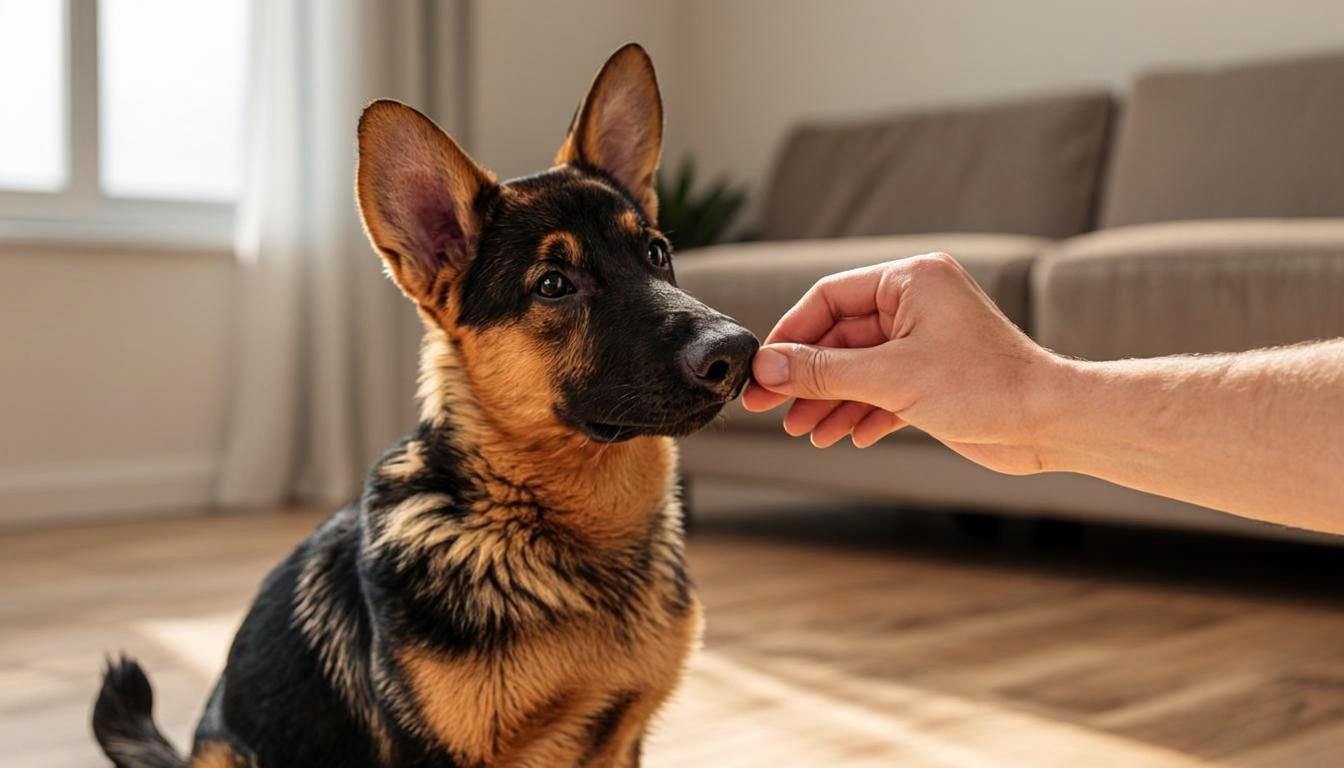
Reward-based German Shepherd puppy training is not bribery – it is communication. The treat marks the exact behavior you want, and after a few repetitions the behavior itself becomes the habit. Fade the food quickly to praise and play so the cue, not the cookie, does the work.
Positive reinforcement is the gold standard in the best German Shepherd puppy training tips. Reward desired behaviors with high-value treats (e.g., chicken bits), verbal praise (“Good dog!”), or playtime. This method taps into their eagerness to please and strengthens trust.
Avoid punishment-based techniques, as German Shepherds are sensitive and may respond with fear or defiance. For example, if your puppy chews furniture, redirect them to a chew toy and reward compliance. The Humane Society highlights that reward training boosts long-term retention and emotional resilience.
Advanced Strategy: Use a clicker to “mark” correct behaviors the instant they occur, followed by a treat. This precision accelerates learning.
>Potty Training: Mastering the Best German Shepherd Puppy Training Tips
Consistency and patience are pivotal in potty training. Take your puppy outside every 2–3 hours, especially after meals, naps, or play. Designate a specific “potty spot” to create a routine.
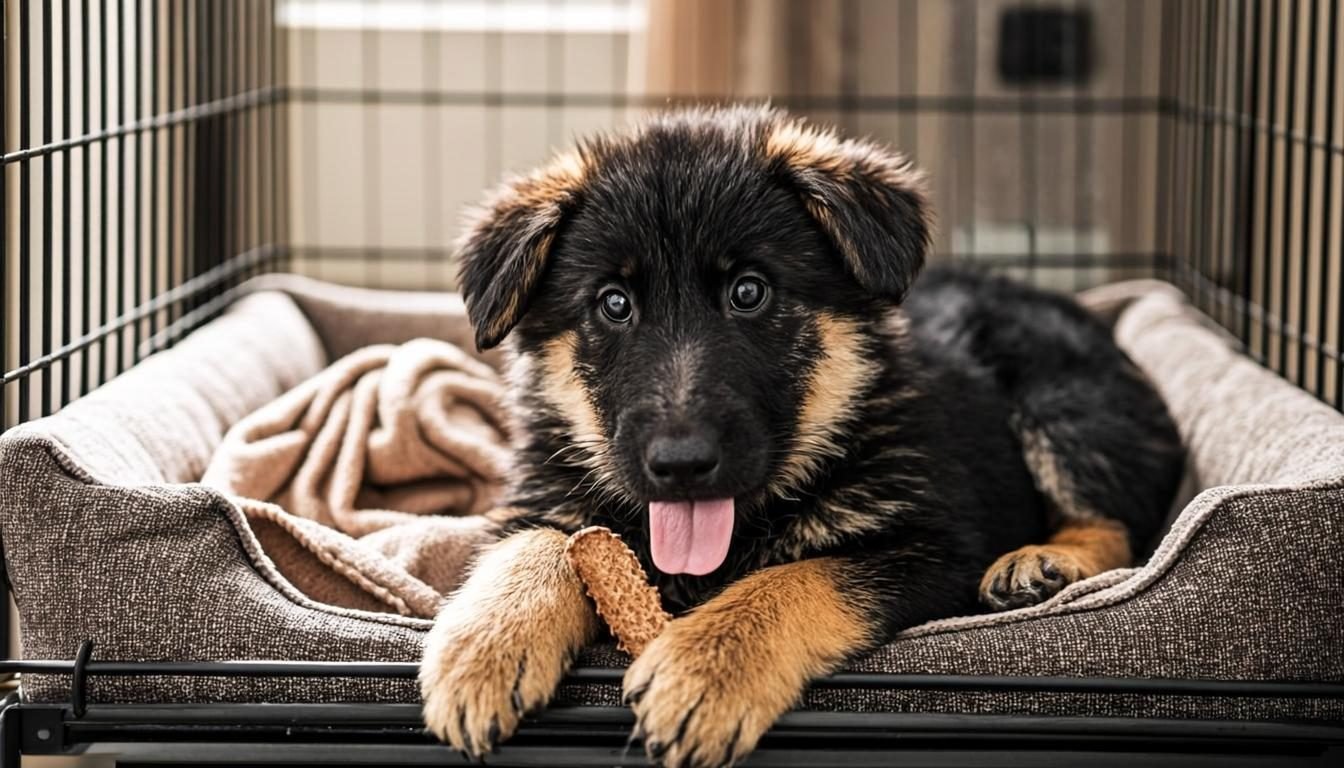
Accidents are inevitable—never scold your puppy. Instead, interrupt mid-accident with a gentle “Oops!” and immediately take them outside. Celebrate successful outdoor elimination with enthusiastic praise. Crate training can also aid by leveraging a dog’s instinct to keep their sleeping area clean (ASPCA guidelines).
Pro Tip: Use enzymatic cleaners to eliminate indoor odors, which might otherwise attract repeat accidents.

>Teaching Proper Chewing Habits: Best German Shepherd Puppy Training Tips
German Shepherds explore the world through their mouths, making chew training essential. Provide durable toys like Kongs or Nylabones, and rotate them to maintain interest. If your puppy nips hands, yelp sharply to signal discomfort, then offer a toy instead.
Product Recommendation: The Kong Classic stuffed with peanut butter provides mental stimulation and satisfies chewing urges.
>Touch Desensitization in the Best German Shepherd Puppy Training Tips
Regular handling prepares your puppy for vet exams and grooming. Gently touch their paws, ears, and tail while offering treats. If they resist, pause and try again later. Over time, this builds trust and reduces stress during nail trims or ear cleanings.
>Obedience Training: Advanced Best German Shepherd Puppy Training Tips
Teach commands like “leave it,” “heel,” and “place” to instill impulse control. German Shepherds excel in advanced training, including agility courses or scent work, which channel their energy constructively. Enroll in a local obedience club or follow online courses like those from Zak George’s Dog Training Revolution.
>Exercise and Mental Stimulation: Best German Shepherd Puppy Training Tips
This breed thrives on physical and mental challenges. Aim for 1–2 hours of daily exercise, split into walks, fetch, or puzzle toys. Mental stimulation prevents boredom-induced destruction—try hiding treats around the house or teaching new tricks weekly.
>Addressing Separation Anxiety: Best German Shepherd Puppy Training Tips
German Shepherds form deep bonds and may develop anxiety when left alone. Gradually accustom them to solitude by leaving for 5-minute intervals, then increasing duration. Provide interactive toys like lick mats to keep them occupied.
Best Gear for German Shepherd Puppy Training
Struggling to teach your energetic German Shepherd puppy boundaries? Our Remote Training Collar offers safe, adjustable stimulation (vibration, beep, and static modes) to reinforce commands without harm. Perfect for intelligent breeds like GSDs!
✅ Customizable Levels – Gentle training for growing pups!
✅ 500m Range – Control distractions during outdoor adventures.
✅ Durable & Waterproof – Built for active pups who love mud!
👉 Say goodbye to endless barking and leash-pulling! Equip yourself with a tool trusted by thousands of dog owners.
🛒 Get Yours Today: PLAYPET Remote Training Collar on Amazon
Train smarter, bond deeper, and keep your pup safe!
Further reading: The Ultimate Guide to German Shepherd Puppies: Care, Training, and Breed Insights
German Shepherd Puppy Training FAQ
When should German Shepherd puppy training start?
German Shepherd puppy training starts the day your puppy comes home, ideally at eight weeks old. At this age puppies absorb new experiences like sponges, and the habits you set in the first month – where the crate is, what the cue words mean, how you respond to nipping – become the foundation for everything that follows. Keep sessions under five minutes and always end on a success.
How long does it take to train a German Shepherd puppy?
Core German Shepherd puppy training milestones – name response, sit, down, crate calm and clean pottying – are realistic within four to eight weeks of consistent work. Reliable recall and loose-leash walking take several months, and the adolescent phase from six to eighteen months tests everything. Train in short daily sessions and the breed’s working intelligence will surprise you.
What is the most important command to teach first?
Name recognition comes before everything else in German Shepherd puppy training. A puppy who whips around when called is a puppy you can guide away from danger, distractions and bad habits. Charge the name by pairing it with treats dozens of times a day, then build recall on top of it before adding sit, down and stay.
Why does my German Shepherd puppy bite so much?
Biting is how German Shepherd puppies explore the world and relieve teething pain, and this breed is famously mouthy. Teach bite inhibition by yelping and ending play when teeth touch skin, then redirect to a chew toy. Never hold the muzzle or smack – punishment teaches the puppy to fear your hands, not to be gentle.
Are puppy classes worth it for a German Shepherd?
Yes – a well-run class adds controlled socialization, distractions you cannot fake at home, and a trainer who catches mistakes before they become habits. For a powerful working breed like the German Shepherd, structured German Shepherd puppy training classes between eight and sixteen weeks are one of the best investments you can make in the next twelve years.
What if my German Shepherd puppy ignores me?
An ignoring puppy is almost always an overwhelmed puppy, not a stubborn one. Lower the distraction level until your German Shepherd puppy can succeed – move from the busy backyard to the quiet hallway, pay generously for the first few responses, and rebuild difficulty one small step at a time. Check your rewards too: kibble rarely competes with a squirrel, but chicken, cheese and a quick game of tug do. German Shepherd puppy training progresses fastest when the puppy wins often, so make it easy to be right and hard to be wrong, and the ignoring phase will pass within a few weeks.
Key Takeaways on German Shepherd Puppy Training
German Shepherd puppy training succeeds on four pillars. Start the day your puppy comes home, socialize widely before sixteen weeks, reward the behaviors you want instead of punishing the ones you do not, and keep every session short enough to end on a win. Pair that consistency with daily exercise, chew toys and patient bite-inhibition work. Do this and your puppy will grow into the well-behaved companion this breed was born to be. Twelve weeks of consistency now buys you twelve years of easy companionship later.
>Conclusion: Implementing the Best German Shepherd Puppy Training Tips
Raising a well-behaved German Shepherd puppy starts with patience, consistency, and positive reinforcement. By prioritizing early socialization, obedience training, and clear communication, you’ll nurture a loyal, confident companion eager to learn. Celebrate small victories, stay adaptable to your pup’s needs, and remember—every training session strengthens your bond. With dedication and love, your German Shepherd will grow into the intelligent, disciplined partner this breed is renowned to be. Start today, and watch your puppy thrive!