
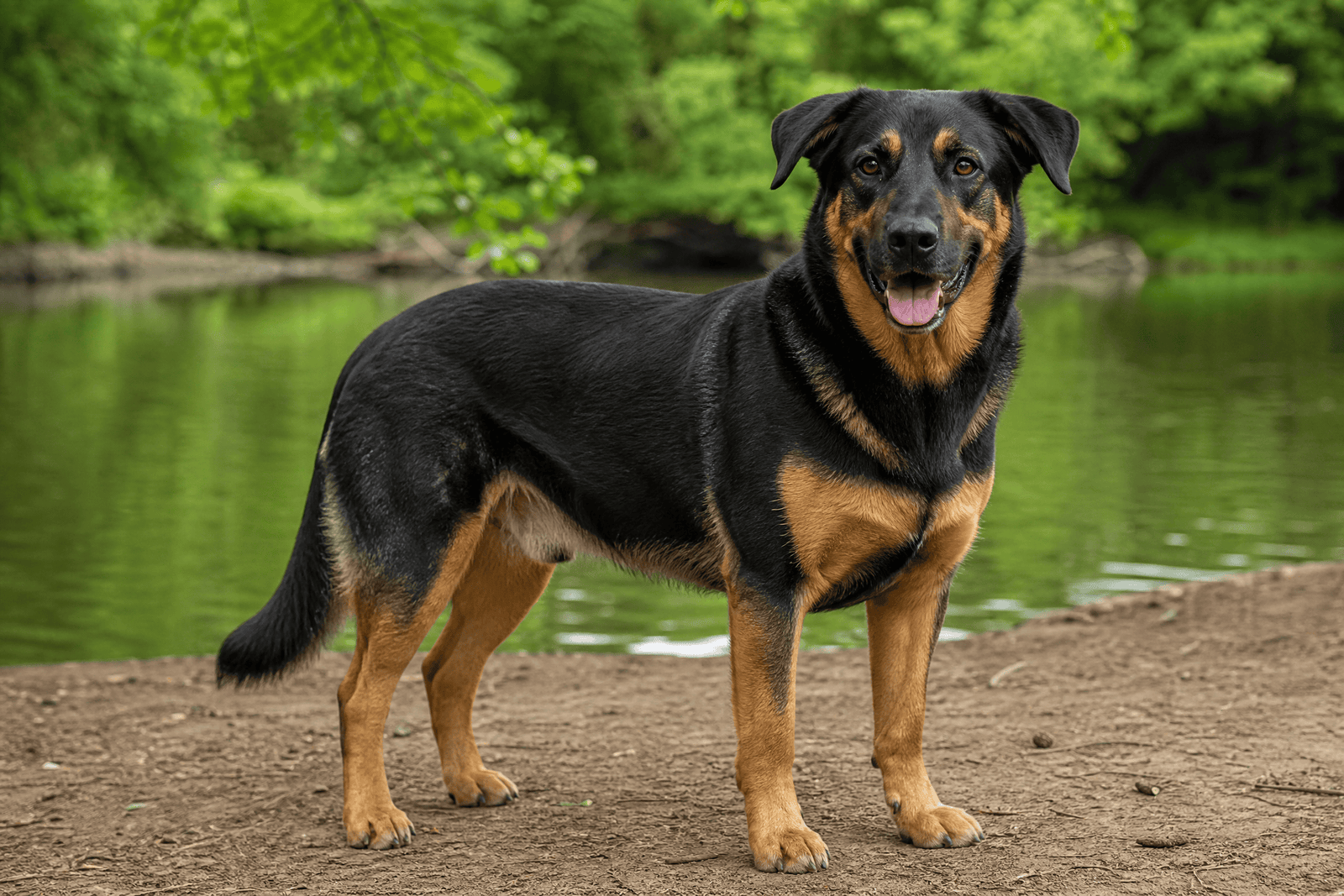
The German Shepherd Rottweiler mix, often called the “Shepherd Rottie” or “Rottie Shepherd,” is a powerful hybrid combining two of the most respected working dogs ever bred. With intelligence, loyalty, and versatility in one muscular package, this crossbreed has surged in popularity among families, working professionals, and dog enthusiasts. In this guide, we’ll explore every facet of the German Shepherd Rottweiler mix — from temperament and training to health care and adoption tips — so you can decide honestly whether this remarkable hybrid belongs in your life.
Table of Contents
- Origins and History: Two Legendary Working Lines
- Physical Traits: Size, Build, and Appearance
- Temperament: Is the German Shepherd Rottweiler Mix Right for You?
- Health Considerations for Your Shepherd Rottie
- Training Your German Shepherd Rottweiler Mix
- Nutrition and Exercise Needs
- Size and Growth: What to Expect Month by Month
- Adopting a German Shepherd Rottweiler Mix: What to Know
- Real-Life Stories: Owners Share Their Experiences
- Living With a Shepherd Rottie: Setting Your Home Up for Success
- FAQs About the German Shepherd Rottweiler Mix
- The German Shepherd Rottweiler Mix: Key Takeaways
- Conclusion
- Sources and Further Reading
Origins and History: Two Legendary Working Lines
The German Shepherd Rottweiler mix inherits a legacy from two iconic breeds. German Shepherds, standardized in Germany in 1899 as herding dogs, quickly became the world’s preferred police and service breed thanks to their intelligence and biddability. Rottweilers descend from Roman drover dogs that drove and guarded cattle across Europe, evolving into butchers’ dogs, guardians, and police partners. Their hybrid offspring blends herding precision with guardian steadiness, creating a dog suited for protection, companionship, and service work — often all three in the same day.
Deliberate crossbreeding like this is not new; what is new is its popularity as a family dog. Understanding what each parent breed contributed is the single best predictor of what a Shepherd Rottie puppy will grow into, so let’s look at the physical and behavioral arithmetic.
Physical Traits: Size, Build, and Appearance
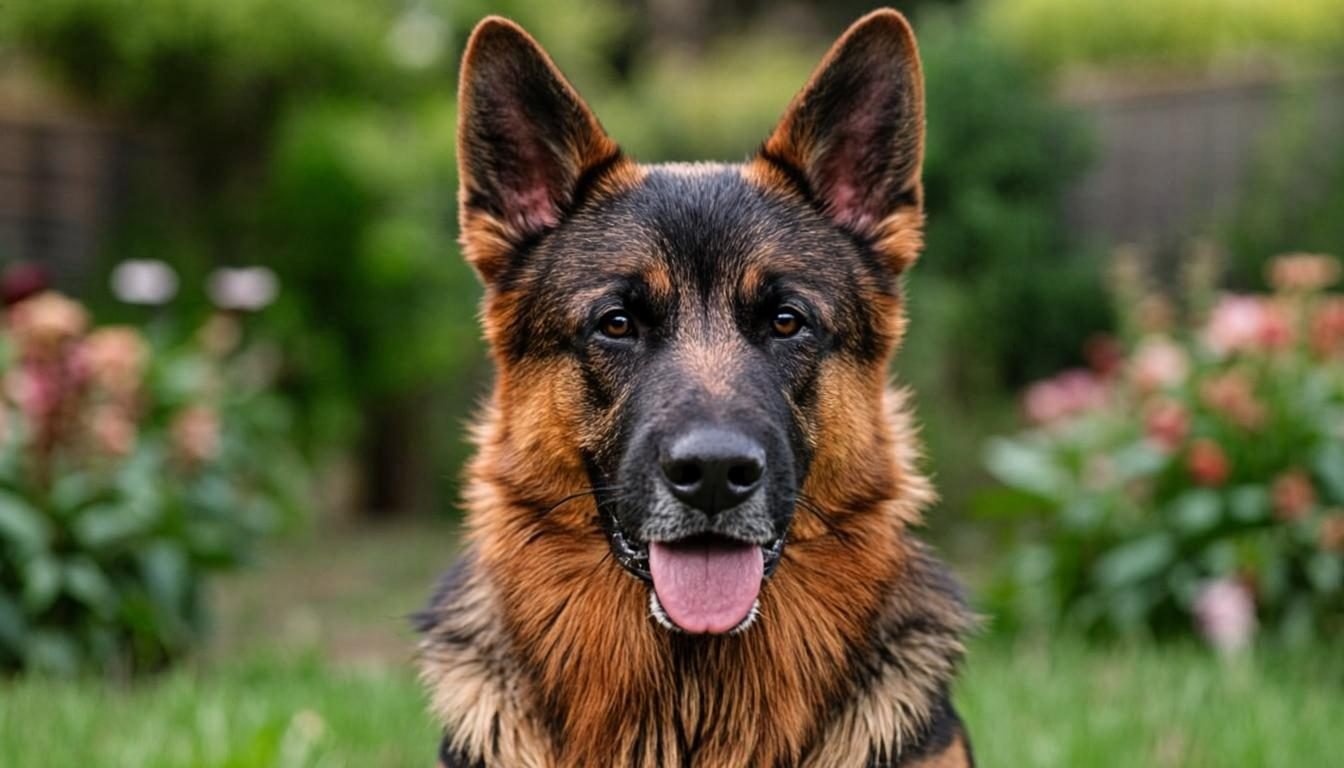
A striking blend of muscularity and agility, the German Shepherd Rottweiler mix typically weighs 75–115 lbs and stands 22–27 inches tall at the shoulder, with males noticeably larger than females. The head is broad, the chest deep, and the silhouette more compact than a purebred Shepherd’s — you get the Rottweiler’s substance with the Shepherd’s athletic length of stride. Coat colors run the full parental spectrum:
| Feature | Typical Range |
|---|---|
| Weight (male) | 85 – 115 lbs |
| Weight (female) | 70 – 95 lbs |
| Height | 22 – 27 inches |
| Coat | Medium double coat, dense undercoat |
| Common colors | Black and tan, black and rust, sable, solid black |
| Lifespan | 9 – 12 years |
Their coat often combines the Rottweiler’s black-and-tan markings with the German Shepherd’s dense fur. Regular grooming is essential to manage shedding — expect two seasonal coat blows a year, exactly as with either parent breed. Weekly brushing handles most of it, and a quality undercoat rake turns the spring blow from a blizzard into a manageable drizzle.
Temperament: Is the German Shepherd Rottweiler Mix Right for You?
This mix is fiercely loyal, protective, and highly trainable. Early socialization is critical to curb over-guardiness — the blend of the Shepherd’s suspicion of strangers and the Rottweiler’s blockade instinct produces a dog that will decide, on its own, who belongs on your property. Families with children praise their gentle, patient nature at home, and their alertness makes them excellent watchdogs by default rather than by training. However, their strong-willed personality requires an experienced, consistent owner.
Honest fit assessment: this hybrid thrives with owners who already have large-breed experience, who can commit to daily structured exercise, and who want a genuine presence in the home — a dog that watches the door. It is a poor match for first-time owners, households unable to manage a 100-pound guard instinct, or anyone wanting a dog park socialite. The Shepherd Rottie is not aggressive by nature, but it is opinionated, and opinions in a dog this size must be guided from day one.
Health Considerations for Your Shepherd Rottie
Common health issues include hip dysplasia, elbow dysplasia, bloat (GDV), heart conditions such as subaortic stenosis (a Rottweiler concern), and the degenerative myelopathy gene that both parent lines carry. Proactive care — joint supplements, lean body weight, and regular vet check-ups — can meaningfully mitigate risk. The Orthopedic Foundation for Animals provides screening tools for hereditary conditions, and reputable breeders test both parents for hips, elbows, and cardiac status before producing a litter.
Two breed-specific habits pay enormous dividends. First, growth-phase feeding: keep the puppy lean and on a controlled-calcium large-breed formula, because rapid growth is the strongest environmental driver of dysplasia. Second, bloat management: two measured meals a day, no vigorous exercise for an hour before and two hours after eating, and a slow-feeder bowl for gulpers. Our guide to German Shepherd health problems covers each of these conditions in depth and applies almost unchanged to the mix.

Training Your German Shepherd Rottweiler Mix
Positive reinforcement and consistency are the keys. These dogs thrive on mental challenges, making agility training, tracking, or advanced obedience ideal outlets for a mind that otherwise invents its own entertainment. Avoid harsh methods — they can trigger stubbornness or defensive reactions in a breed this powerful, and they erode the trust that makes a guardian breed cooperative rather than merely compliant. Start socialization before the second vaccine round is complete, carry treats on every walk for the first year, and teach a bulletproof “drop it” and “place” early: those two commands manage more real-world situations with a giant breed than any other skill set.
The mix’s working heritage means it genuinely wants a job, and jobs come in all sizes — carrying a backpack on hikes, nosework games in the yard, ten-minute training sessions that end with the dog tired in the head as well as the body. An exercised, employed Shepherd Rottie is calm in the house; an bored one redecorates it.
Nutrition and Exercise Needs
High-protein diets support their active lifestyle, while portion control prevents obesity — a critical point for a dysplasia-prone hybrid, where every extra pound loads the hips. Feed a large-breed adult formula measured to body condition, not to the bag’s chart alone, and split the daily ration into two meals to reduce bloat risk. Our best food for German Shepherds guide walks through exactly what to look for, and the same large-breed rules apply to this mix.
Daily exercise — 90 minutes of walking, running, or play — is non-negotiable. That does not mean 90 minutes of ball throwing; it means structured activity combining physical work with decision-making. A morning 45-minute walk, a midday training or scent game, and an evening free-run session keeps most adult Shepherd Rotties satisfied and out of trouble.
Size and Growth: What to Expect Month by Month
Shepherd Rottie puppies grow fast, and their skeleton needs the time those big paws promise. Expect roughly these averages, with individual variation of ±10%:
| Age | Male Weight | Female Weight |
|---|---|---|
| 3 months | 28 – 34 lbs | 24 – 30 lbs |
| 6 months | 55 – 65 lbs | 48 – 58 lbs |
| 9 months | 70 – 82 lbs | 60 – 72 lbs |
| 12 months | 80 – 95 lbs | 68 – 82 lbs |
| 18 – 24 months (full size) | 85 – 115 lbs | 70 – 95 lbs |
Growth plates close late in giant hybrids — often between 18 and 24 months — so hold off on forced running, repetitive jumping, and stairs-until-exhausted until maturity. Free play on grass, swimming, and leashed walks are safe throughout growth.
Adopting a German Shepherd Rottweiler Mix: What to Know
Rescue organizations like Petfinder often have mixes needing homes, and this crossbreed appears in shelters for one dominant reason: owners who adored the puppy and were outrun by the adult. Ask shelters about the dog’s history, temperament evaluations, and how it reacts to strangers at the fence. A foster-based rescue gives you the most reliable picture of behavior in a home.
Puppies from breeders should come with health clearances on both parents, socialization records, and a breeder who interviews you as hard as you interview them. Given the guard instinct in this cross, the breeder’s placement honesty matters even more than usual — a good breeder will happily turn down a mismatched home. If you are comparing sources, our guide to where to purchase a German Shepherd puppy applies to this mix word for word.
Real-Life Stories: Owners Share Their Experiences
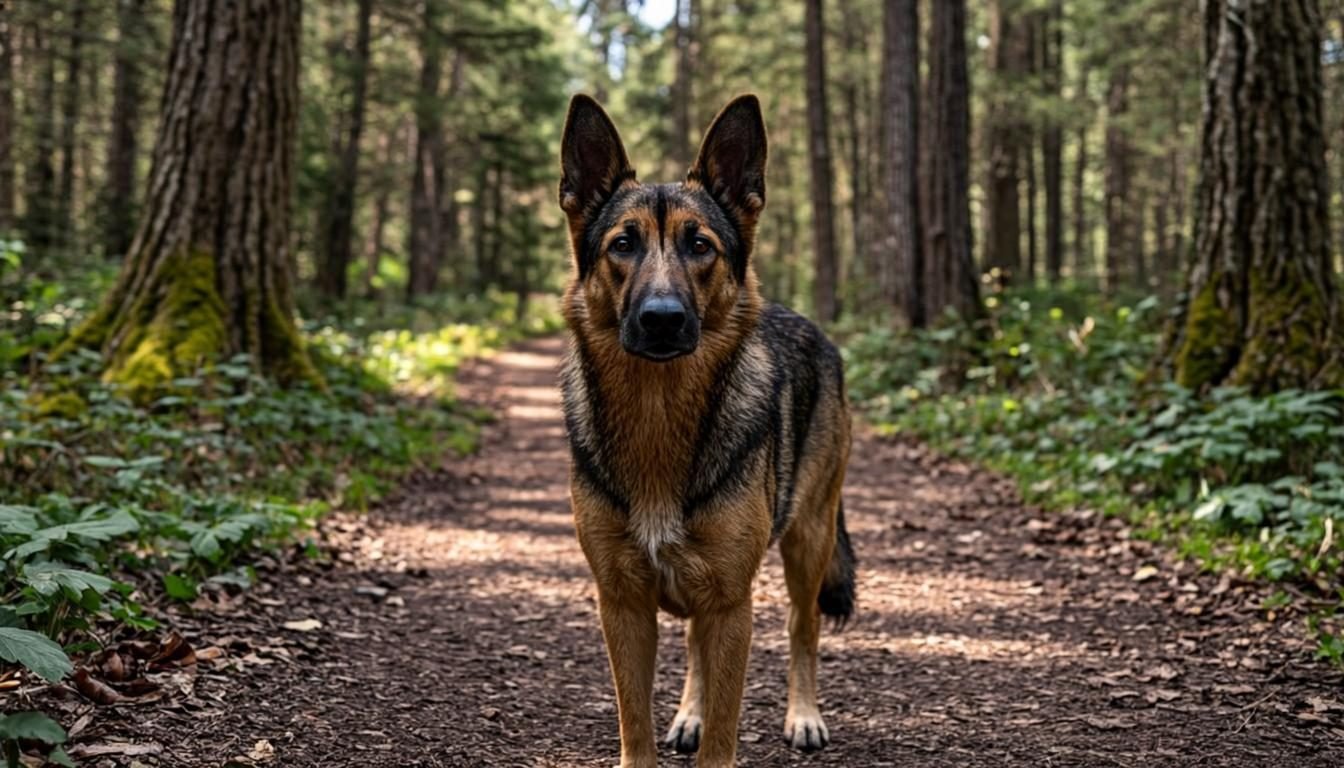
Sarah, a K9 Officer: “My Shepherd Rottie excels in search-and-rescue. His focus is unmatched — he’ll work a scent article until his paws are raw if I let him.”
The Martinez Family: “Our mix, Luna, is gentle with our toddlers but barks at strangers at the gate. Perfect balance!”
Derek, first-time large-breed owner: “I underestimated the exercise needs for the first two months. Once we got serious about structured walks and training, the chewing and pacing disappeared within a week.”
Notice the pattern in every story: the dog’s success tracked the owner’s structure, not the dog’s pedigree. That is the honest summary of this hybrid.
Read also: THE ULTIMATE GUIDE TO THE BEST GERMAN SHEPHERD PUPPY TRAINING TIPS FOR A WELL-BEHAVED COMPANION
Living With a Shepherd Rottie: Setting Your Home Up for Success
Physical setup matters as much as training for a dog this size. Secure fencing is non-negotiable — a four-foot decorative fence will not hold a determined 100-pound guardian, and this mix takes perimeter patrol seriously. Inside the house, give the dog a defined “place” (a cot or bed in the family room, not isolated in a garage) because guarding breeds settle dramatically better when they can watch the household’s comings and goings from a post. Baby gates solve more problems than crates at adulthood, though crate training in puppyhood remains valuable for vet stays and travel.
Plan your furniture economics honestly too: beds, car covers, and couches all need large-dog durability, and slobber management is part of the deal. Households with existing pets should introduce the Shepherd Rottie on neutral ground and supervise same-sex dynamics — the mix generally does best as a second dog when paired with the opposite sex, a pattern breeders report consistently. Finally, think through the guest routine before it happens: teach a reliable “go to place” for arrivals, and the doorbell stops being a two-hundred-pound percussion event. These logistics, decided calmly in advance, are what separate the rewarding stories in the section above from the surrender paperwork in the shelter database.
FAQs About the German Shepherd Rottweiler Mix
Q: Are German Shepherd Rottweiler mixes aggressive?
No by nature, but protective by design. With socialization and training they are discriminating guardians — reserved with strangers, devoted to their family. Without socialization, any large guarding breed becomes a liability, this one included.
Q: How big does the mix get?
Typically 75–115 lbs and 22–27 inches tall, with males at the upper end. Meet both parents when possible; size genetics are a coin toss weighted by the dam.
Q: Do they make good family dogs?
For experienced, active families — genuinely yes. They are famously gentle with “their” children. Families with very young children should factor in the dog’s sheer size: an 100-pound exuberant dog accidentally flattens toddlers while playing.
Q: How much exercise does a Shepherd Rottie need?
About 90 minutes a day, split between physical work and mental challenges. Under-exercised dogs of this cross develop the destructive and vocal habits owners report in shelters.
Q: Are they allowed apartments or HOAs?
Check local breed-specific legislation — some insurers and leases list Rottweiler mixes alongside restricted breeds regardless of the dog’s individual behavior. This paperwork reality matters more than temperament in some cities.
Q: What health screening should breeders provide?
OFA or PennHIP clearances for hips and elbows, cardiac evaluation, and ideally degenerative myelopathy DNA status for both parents. No clearances, no purchase — the breed’s joint problems are too predictable to gamble on.
The German Shepherd Rottweiler Mix: Key Takeaways
The German Shepherd Rottweiler mix rewards structure with devotion. Expect a powerful, intelligent dog that needs about an hour of daily exercise, consistent training, early socialization, and weekly grooming. Health screening for hips, elbows, and heart matters most when choosing a breeder. Give your Shepherd Rottie a job and a confident leader, and you will struggle to find a more loyal family guardian anywhere.
Further reading: Considering another mixed companion? Start here: German Shepherd Pitbull mix care German Shepherd Husky mix characteristics.
Conclusion
The German Shepherd Rottweiler mix is a devoted companion for those willing to invest time in training, socialization, and daily exercise. By understanding their needs — and honestly assessing your own household against them — you’ll gain a loyal partner for life, whether that life unfolds on a hiking trail, a training field, or the couch after a long day’s work. Few hybrids reward good ownership this completely, and few punish careless ownership this thoroughly; go in with eyes open and you will wonder why you ever considered anything smaller.
Sources and Further Reading
The following authoritative resources provide additional context for the guidance in this article. They do not replace advice from a qualified veterinarian or behavior professional.