
The German Shepherd Health Problems Guide is designed to help owners understand, prevent, and manage the most common medical issues affecting this intelligent and loyal breed. German Shepherds are admired for their strength, versatility, and deep bond with their families, but they are also genetically predisposed to certain health conditions. Knowing what to expect and how to respond can dramatically improve your dog’s quality of life and lifespan.
Whether you are raising a puppy or caring for a senior dog, this guide provides practical, expert-reviewed insights into German Shepherd health problems, early warning signs, treatment options, and preventive care strategies. By staying informed, you can make confident decisions that protect your companion’s long-term well-being.
The German Shepherd health problems guide below walks through each condition in plain language: what it actually is, the early signs owners notice first, and the screening tests that catch it before it becomes expensive to treat. You will also find a practical prevention plan – lean body weight, joint-friendly exercise, dental care at home, and the annual vet work that quietly adds healthy years to a German Shepherd life.
Table of Contents
- Understanding the German Shepherd’s Health Profile
- Hip Dysplasia: The Most Common German Shepherd Health Issue
- Elbow Dysplasia and Joint Disorders
- Degenerative Myelopathy: A Silent Neurological Threat
- Digestive Disorders and Sensitive Stomachs
- Gastric Dilatation-Volvulus (Bloat)
- Skin Allergies and Coat Problems
- Ear Infections and Hearing Health
- Dental Disease and Oral Health
- Immune System Disorders
- Obesity and Weight Management
- Preventive Veterinary Care and Screening
- When to Call the Veterinarian Right Away
- FAQ: German Shepherd Health Problems Guide
- Key Takeaways on German Shepherd Health Problems
- Conclusion
- References
Understanding the German Shepherd’s Health Profile
German Shepherds are large, active working dogs originally bred for herding and protection. Their physical structure, size, and genetics make them exceptional athletes, but these same traits also expose them to specific orthopedic, digestive, neurological, and immune-related conditions. Understanding the breed’s health profile is the foundation of responsible ownership.
Most German Shepherd health problems develop gradually. Early detection, proper nutrition, controlled exercise, and regular veterinary care can significantly reduce complications. Owners who educate themselves early are better equipped to recognize subtle changes in movement, appetite, behavior, or energy levels.
Hip Dysplasia: The Most Common German Shepherd Health Issue
Hip dysplasia is one of the most widely recognized conditions in any German Shepherd Health Problems Guide. This genetic disorder occurs when the hip joint does not fit properly into the socket, leading to joint instability, pain, and progressive arthritis.
Symptoms often appear gradually and may include difficulty standing, reluctance to climb stairs, bunny-hopping gait, or decreased activity. While genetics play a major role, environmental factors such as rapid growth, excessive weight, and inappropriate exercise can worsen the condition.

Treatment options range from weight management and joint supplements to physical therapy, pain medication, and surgical intervention in severe cases. Choosing a reputable breeder who screens breeding dogs is one of the most effective preventive measures.
Elbow Dysplasia and Joint Disorders
Elbow dysplasia is another serious condition frequently addressed in a German Shepherd Health Problems Guide. It involves abnormal development of the elbow joint and often affects young, growing dogs. Left untreated, it can lead to chronic pain and reduced mobility.
Signs include front-leg lameness, stiffness after rest, and reluctance to exercise. Early diagnosis through imaging allows for better management and improved long-term outcomes. Controlled growth, balanced nutrition, and appropriate exercise are essential preventive strategies.

Degenerative Myelopathy: A Silent Neurological Threat
Degenerative myelopathy is a progressive neurological disease that affects the spinal cord. It is especially concerning because it develops slowly and is often mistaken for arthritis in its early stages. This condition is frequently highlighted in any comprehensive German Shepherd Health Problems Guide.
Initial symptoms include weakness in the hind legs, loss of coordination, and dragging of the paws. Unfortunately, there is no cure, but physical therapy, mobility aids, and supportive care can help maintain quality of life for as long as possible.
Digestive Disorders and Sensitive Stomachs
Many German Shepherds suffer from digestive sensitivity. Chronic diarrhea, bloating, food intolerances, and inflammatory bowel disease are common health issues in the breed. These problems can significantly impact nutrient absorption and overall vitality.
A high-quality, breed-appropriate diet is essential. Owners often find helpful guidance in detailed nutrition resources such as the German Shepherd feeding and nutrition guides available on our website. Proper feeding schedules and ingredient selection can dramatically improve digestive health.

Gastric Dilatation-Volvulus (Bloat)
Bloat is a life-threatening emergency and one of the most dangerous conditions covered in a German Shepherd Health Problems Guide. It occurs when the stomach fills with gas and twists, cutting off blood supply.
Symptoms include a swollen abdomen, restlessness, drooling, and attempts to vomit without success. Immediate veterinary intervention is critical. Feeding smaller meals, avoiding intense exercise after eating, and using slow feeders may reduce risk.
Skin Allergies and Coat Problems
German Shepherds commonly experience skin allergies caused by food, environmental triggers, or parasites. Chronic itching, redness, hair loss, and ear infections are typical warning signs.
Regular grooming, parasite prevention, and allergy testing help manage these issues effectively. Owners can learn more through our German Shepherd grooming and care resources, which provide practical tips for maintaining healthy skin and coat.
Ear Infections and Hearing Health
Due to their upright ears, German Shepherds are somewhat protected from moisture buildup, yet ear infections still occur. Allergies and underlying skin conditions often contribute to recurring infections.
Routine ear cleaning and prompt treatment of inflammation help prevent chronic problems that may affect hearing and balance.

Dental Disease and Oral Health
Dental disease is often overlooked but plays a major role in overall health. Plaque buildup, gum disease, and tooth decay can lead to systemic infections affecting the heart and kidneys.
Regular brushing, dental chews, and professional cleanings are essential preventive measures. Oral health is closely linked to longevity and comfort in German Shepherds.

Immune System Disorders
German Shepherds are predisposed to certain immune-mediated diseases, including autoimmune disorders and chronic infections. These conditions may cause fatigue, recurring illness, or unexplained weight loss.
Consistent veterinary monitoring and early diagnostic testing are critical for managing immune-related health problems effectively.
Obesity and Weight Management
Excess weight exacerbates nearly every condition discussed in this German Shepherd Health Problems Guide. Obesity increases stress on joints, worsens heart health, and reduces lifespan.
Balanced nutrition, portion control, and regular exercise tailored to the dog’s age and health status are essential components of weight management.
Preventive Veterinary Care and Screening
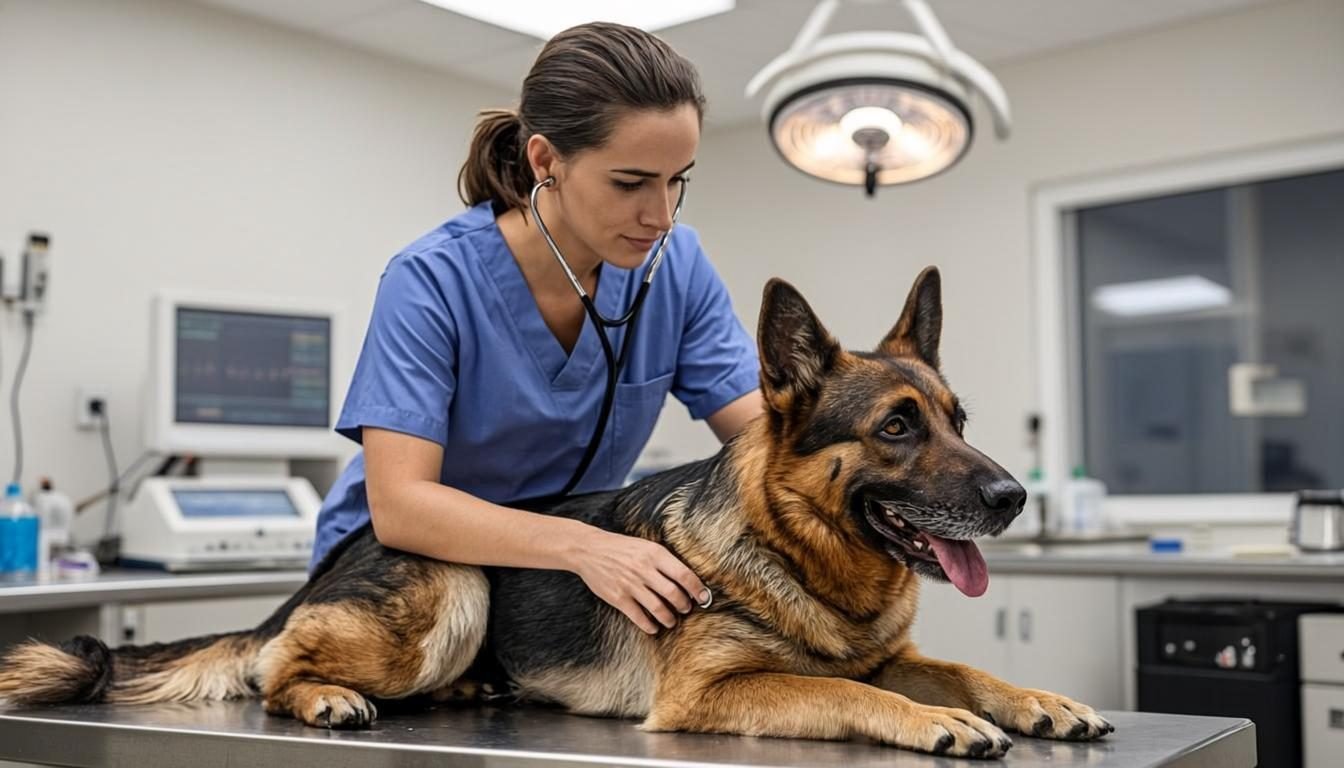
Preventive care is the cornerstone of long-term health. Annual checkups, vaccinations, parasite prevention, and routine blood work help identify issues before they become serious.
Owners can explore preventive care strategies and health monitoring tips through our German Shepherd health and wellness articles, designed specifically for this breed.
Budgeting matters too: the breed’s signature conditions — dysplasia surgery, chronic allergy management, emergency bloat treatment — routinely generate four-figure veterinary bills. Comprehensive pet insurance for German Shepherds, enrolled before symptoms appear, turns those bills into a predictable deductible instead of an impossible invoice.
When to Call the Veterinarian Right Away
Some signs never wait for a scheduled appointment. A swollen, hard abdomen with unproductive retching is a bloat emergency and needs surgery within hours, so call your clinic or the nearest emergency hospital immediately. Sudden hind-end weakness, dragging paws, pale gums, unexplained weight loss, seizures, or a rapid change in thirst and urination all deserve a same-day examination rather than a watch-and-wait week.
Between visits, keep a simple symptom diary: appetite, stool quality, energy after exercise, and any limping after rest. This German Shepherd health problems guide works best when your daily observations combine with your vet diagnostics, because early detection turns most breed risks into manageable conditions instead of midnight crises.
FAQ: German Shepherd Health Problems Guide
Why do German Shepherds have so many health problems?
German Shepherds are a popular breed with a limited genetic pool. Selective breeding for appearance and working traits has increased the prevalence of certain inherited conditions.
The honest answer is popularity combined with decades of breeding for extreme angulation and speed. Tighter hips and sloped toplines concentrate orthopedic risk, while a limited gene pool repeats the same mutations. Health-tested working lines now exist precisely because breeders recognized this and started screening aggressively.
At what age do German Shepherd health problems usually start?
Some conditions appear in puppyhood, while others develop in middle or old age. Regular vet visits help detect issues early.
Joint conditions announce themselves earliest, sometimes during the growth phase between four and twelve months when a puppy bunny-hops upstairs or sits with knees splayed. Allergies flare in young adulthood, while degenerative myelopathy and arthritis cluster in the senior years after age eight.
Can German Shepherd health problems be prevented?
While genetics cannot be changed, responsible breeding, proper nutrition, controlled exercise, and preventive veterinary care can reduce risks significantly.
Not every condition can be avoided, but most can be delayed, softened, or caught early. Lean weight alone reduces dysplasia severity, slow feeding reduces bloat risk, and annual bloodwork plus hip screening turn late-stage surprises into routine management plans agreed with your veterinarian.
Is hip dysplasia inevitable in German Shepherds?
No. Although common, many German Shepherds never develop hip dysplasia, especially when bred responsibly and raised with proper care.
No – it is common, not guaranteed. Puppies from parents with passing OFA or PennHIP scores, raised with controlled growth and kept lean throughout life, reach old age with comfortable hips far more often than statistics from the general population suggest.
Key Takeaways on German Shepherd Health Problems
Most German Shepherd health problems respond to the same three levers: a lean body weight, screened breeding lines, and consistent preventive veterinary care. Hip and elbow dysplasia benefit from controlled growth and joint-friendly exercise, bloat risk drops with slow meals and calm rest around feeding, and allergies, ears, and teeth reward a small weekly maintenance habit at home. Use this German Shepherd health problems guide as the checklist for every annual exam, and you will catch almost everything while it is still cheap and treatable.
Conclusion
Owning a German Shepherd means partnering in prevention. The conditions in this German Shepherd health problems guide are well mapped, well understood, and mostly manageable when they are caught early – and that is exactly what an informed, observant owner is for.
This German Shepherd Health Problems Guide highlights the importance of informed, proactive care. While German Shepherds face unique health challenges, most can live long, active, and fulfilling lives when supported by knowledgeable owners and consistent veterinary care.
By understanding common risks, recognizing early symptoms, and investing in prevention, you build a foundation of trust and well-being that allows your German Shepherd to thrive at every stage of life.
