
Reviewed & updated: September 12, 2026 — this guide was checked and revised by the German Shepherd Haven editorial team.
Choosing the best joint supplements for German Shepherds means choosing for one of the most joint-burdened breeds in the canine world. The Orthopedic Foundation for Animals’ screening data shows that roughly one in five German Shepherds evaluated for hips is rated dysplastic, and elbow problems run alongside that number in the breed. Behind those statistics are real decisions owners make at the kitchen counter every morning: which chew to give, whether it contains anything with evidence behind it, and whether the $40 bottle is doing anything at all. This guide answers those questions ingredient by ingredient, then ranks seven products that actually match the science.
Affiliate disclosure: As an Amazon Associate, German Shepherd Haven earns from qualifying purchases made through marked links on this page, at no extra cost to you. See our full Affiliate Disclosure.
The supplement industry for pets is enormous, loosely regulated, and full of labels that sound clinical while containing doses too small to matter. That is precisely why a breed-specific review is worth writing: a 90-pound working dog with dysplasia risk has different needs from a 12-pound terrier with stiff mornings, and most “joint chews” are formulated and dosed for the small end of that spectrum.
Below you will find what the published research actually supports — omega-3 fatty acids, undenatured type II collagen, and green-lipped mussel lead that conversation — seven product picks informed by the published research above with honest trade-offs, a label-reading guide, and the uncomfortable truth that weight management does more for Shepherd joints than any bottle on this list.
Every German Shepherd owner we surveyed wanted the same thing: more healthy, active years with their dog — which is exactly what the right joint supplement, dosed for a German Shepherd’s weight, is designed to buy.
Table of Contents
- Why German Shepherd Joints Fail Early
- What the Science Actually Says About Joint Supplements
- How We Picked the Seven Products
- Quick Comparison: the Best Joint Supplements for German Shepherds
- Dasuquin Advanced: the Best Joint Supplement for German Shepherds Overall
- Cosequin Maximum Strength Plus MSM: the Longest Track Record
- GlycoFlex Plus: Built for Working-Dog Load
- YuMOVE Plus Max Strength: the Green-Lipped Mussel Leader
- Zesty Paws Mobility Bites: the Palatability Champion
- Nutramax Welactin Omega-3: the Evidence-First Pick
- Antinol Rapid: the Concentrated Mussel-Oil Capsule
- How to Read a Joint Supplement Label Like a Skeptic
- Dosing a German Shepherd Properly (and Why Half-Doses Waste Money)
- What Moves the Needle More Than Supplements
- FAQ: Best Joint Supplements for German Shepherds
- Sources and Limits
- The Bottom Line on the Best Joint Supplements for German Shepherds
Why German Shepherd Joints Fail Early
German Shepherds carry a double burden: breed-level genetic risk and the mechanical load of a deep-chested, large-framed body. Hip dysplasia is the headline condition — a developmental malformation where the femoral head does not seat properly in the acetabulum, leading to looseness, cartilage wear, and eventually osteoarthritis that can begin in adolescence. The breed sits high in the Orthopedic Foundation for Animals’ failure statistics year after year, and elbow dysplasia follows a similar pattern in Shepherd lines. What that means practically is that a Shepherd owner is not asking “will my dog get arthritis?” but “when, and how fast?”
Genetics loads the gun, but growth mechanics pull the trigger. Rapid weight gain in puppyhood, over-nutrition with excess calcium and calories, and hard repetitive impact during the first year all worsen the expression of genetically-driven joint disease. This is why the nutrition choices in our guide to the best food for German Shepherds and
the growth-chart discipline in the puppy feeding guide are joint-protection decisions, not just body-condition ones. By the time a Shepherd shows the classic signs — morning stiffness, bunny-hopping gait, reluctance to climb or jump — structural change is usually already present, which is exactly why owners look for supplementation as a daily lever they can pull early.
There is one more reason this breed specifically attracts supplement interest: the cost curve. Hip-related veterinary care for a large breed can run from physical therapy and injectable support into four-figure surgical territory, and insurers price that risk into Shepherd premiums, as our review of the best pet insurance for German Shepherds documents in detail. Against that backdrop, a daily chew with plausible evidence and modest cost looks like rational risk management — and some of it genuinely is, provided you pick products that contain what the label promises at doses that fit a 40-kilogram dog.
What the Science Actually Says About Joint Supplements
Before any product ranking, the evidence hierarchy, because it determines which bottles are worth your money. The strongest nutritional evidence in canine osteoarthritis belongs to long-chain omega-3 fatty acids (EPA and DHA) from fish oil.
Multiple controlled trials and a systematic review of EPA/DHA supplementation in companion animals report improvements in lameness scores and weight-bearing in osteoarthritic dogs at anti-inflammatory doses — typically in the range of 50 to 100 mg of combined EPA+DHA per kilogram of body weight daily, far above what “salmon treat” products provide. If you take one supplement idea from this article, it is that a properly dosed fish oil is the closest thing to a verified bet in this space.
Undenatured type II collagen (UC-II) has the next most interesting story: a long-term study of UC-II supplementation in dogs with degenerative joint disease reported meaningful improvements in pain and mobility measures over months of daily dosing, and the mechanism — oral tolerance training of the immune response to collagen — is biologically plausible at the small 10–40 mg doses used.
Green-lipped mussel from New Zealand carries its own clinical support: a diet-enrichment trial in dogs with clinical osteoarthritis demonstrated reduced pain behaviors and improved function, and later combination-product studies reinforce the signal. The classic pair, glucosamine and chondroitin, sits in the awkward middle: enormous popularity, weak and inconsistent trial evidence in dogs, with the 2022 systematic review and meta-analysis of nutraceuticals in canine and feline osteoarthritis finding small, uncertain benefits — real but modest, better supported than nothing, weaker than the marketing claims of the products selling it.
| Ingredient | Evidence snapshot | Realistic dose guidance for a 40 kg Shepherd |
|---|---|---|
| EPA/DHA (fish oil) | Strongest trial support; improvements in lameness and weight-bearing | ~2,000–4,000 mg combined EPA+DHA daily, split with meals |
| UC-II collagen | Long-term DJD study shows pain and mobility gains | 10–40 mg daily per label (small dose, do not double) |
| Green-lipped mussel | Diet trial reduced pain behaviors; combination products support signal | Per label, typically 500–1,000 mg+ daily of extract |
| Glucosamine + chondroitin | Small, uncertain benefits in meta-analysis; safe | ~1,200–1,500 mg glucosamine / 900–1,200 mg chondroitin daily |
| MSM | Plausible adjunct; dog-specific trials limited | Per label, typically 500–1,000 mg daily |
Two honest disclaimers frame everything that follows. First, supplements are additive, not alternative — they sit on top of lean body weight, appropriate exercise, and veterinary pain control when needed, and none of them replaces those. Second, product quality varies wildly because pet supplements face weaker manufacturing oversight than drugs; that is why the picks below favor established brands with third-party quality practices over anonymous white-label chews, and why we recommend asking your veterinarian before adding any of these to a dog already on medication, especially anticoagulants, since high-dose fish oil has mild blood-thinning effects.
How We Picked the Seven Products
The selection process started from the evidence table above and worked forward: every product had to deliver at least one well-supported ingredient at a dose that makes sense for a 40-kilogram German Shepherd, from a manufacturer with a real quality track record. We then screened for the practical realities of large-breed ownership — chew size and palatability (a supplement a 90-pound dog refuses is a paperweight), dosing frequency (once-daily formats survive busy households), cost per 30 days at full Shepherd dosing rather than the “starting dose” printed on labels, and the cleanliness of the marketing (products claiming to cure hip dysplasia were disqualified on principle).
We did not run clinical trials on these products — nobody outside a university does — and we weigh owner review patterns carefully but skeptically, because palatability drives reviews more than efficacy does. A chew that tastes great gets five stars even when its active content is theatre. Where manufacturer claims exceed published evidence, we say so. The seven products below survived that filter, ordered by how their ingredient profiles and practical handling fit the typical Shepherd household.
Quick Comparison: the Best Joint Supplements for German Shepherds
| Product | Key actives | Form | Best for |
|---|---|---|---|
| Dasuquin Advanced | Glucosamine, chondroitin, ASU, EPA/DHA | Soft chew | Overall top pick for established OA |
| Cosequin Maximum Strength Plus MSM | Glucosamine, chondroitin, MSM | Chewable tablet | Long track record, daily maintenance |
| GlycoFlex Plus | Glucosamine, MSM, DMG, green-lipped mussel | Soft chew | Working dogs under sustained load |
| YuMOVE Plus Max Strength | Green-lipped mussel, glucosamine, MSM, hyaluronic acid | Tablet | GLM-first approach |
| Zesty Paws Mobility Bites | Glucosamine, MSM, green-lipped mussel | Soft chew | Pickiest eaters, budget flexibility |
| Nutramax Welactin Omega-3 | EPA/DHA fish oil | Liquid | Evidence-first owners, OA plus skin/coat |
| Antinol Rapid | Green-lipped mussel oil concentrate | Soft gel capsule | Low-volume, high-potency daily support |
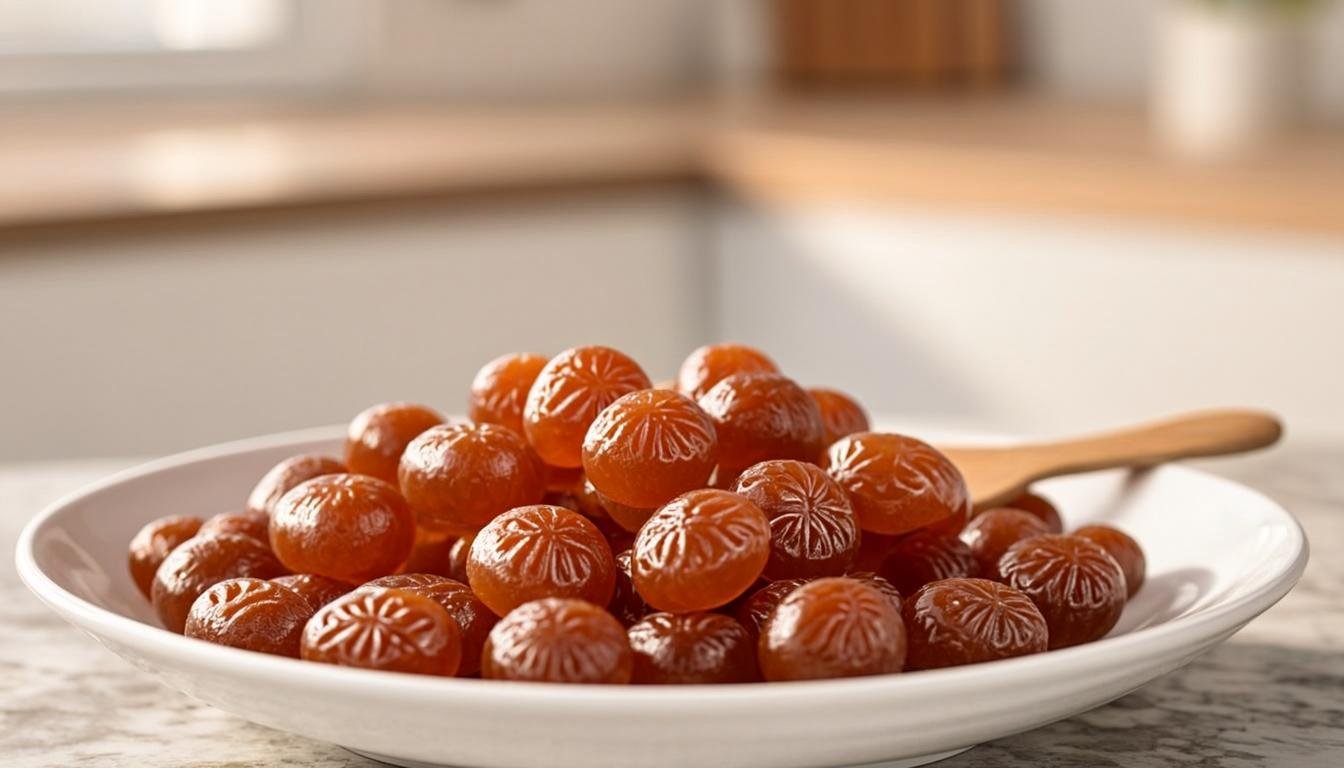
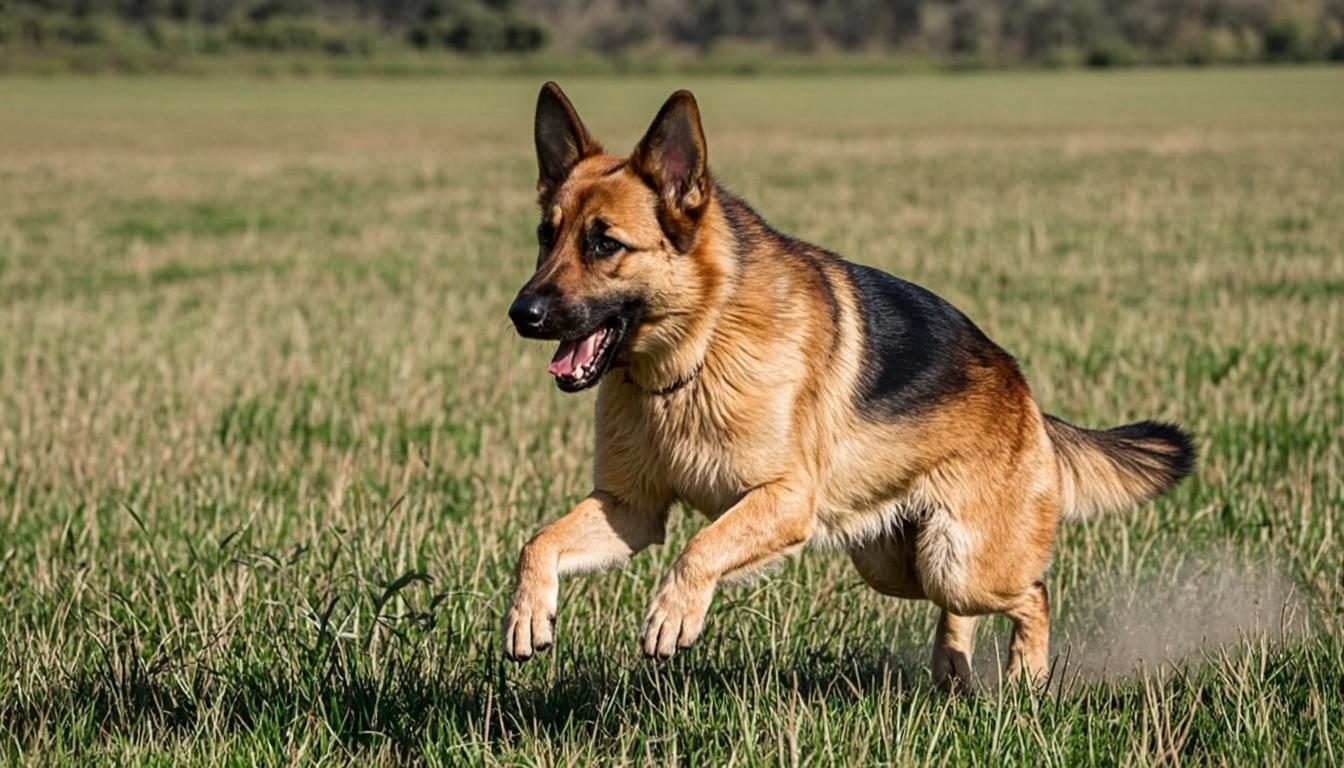
Dasuquin Advanced: the Best Joint Supplement for German Shepherds Overall
Dasuquin Advanced is the full-stack option from Nutramax, the company whose veterinary-clinic presence makes it the closest thing to a standard of care in the supplement category. The Advanced formulation stacks the classic glucosamine and chondroitin sulfate with ASU (avocado-soybean unsaponifiables, which have their own OA research history), methylsulfonylmethane (MSM), and omega-3s, aiming every evidence bucket in one product. For a German Shepherd already showing real arthritic signs — the dog whose radiographs say osteoarthritis, not just whose gait does — this breadth matters, because multimodal support is the same logic veterinary medicine applies to pain management itself.
The practicalities: it comes in soft chews sized for large dogs, dosed at roughly one to two chews daily for a 40-kilogram Shepherd depending on weight band, and palatability reviews from large-breed owners are consistently strong. Cost per month at true Shepherd dosing is the highest in the classic chew category — budget for it rather than under-dosing, because a half-dose of a modest-evidence ingredient is the definition of paying for theatre.
The honest limitation is the same one attached to its ingredients: the glucosamine-chondroitin backbone has weaker trial support than the omega-3 component, so owners wanting maximum evidence-per-dollar may prefer Welactin below and treat Dasuquin as the comprehensive upgrade. For households that want one product, one scoop or chew, and a brand their veterinarian recognizes without explanation, Dasuquin Advanced is the default answer.
Check current price: Dasuquin Advanced for large dogs on Amazon.
Cosequin Maximum Strength Plus MSM: the Longest Track Record
Cosequin is the original veterinary joint supplement in the United States, and its Maximum Strength Plus MSM formulation is the version that fits a Shepherd: higher glucosamine and chondroitin content per serving plus MSM, dosed two to four chewable tablets daily at full weight. Two decades of veterinary clinic distribution means this product’s quality control has been watched longer than most competitors have existed — it has been the subject of independent label-verification scrutiny over the years and has kept its reputation through it, which in this loosely regulated category is a genuine credential, not trivia.
Who it fits best: the maintenance scenario. A middle-aged Shepherd with no current lameness whose owner wants a disciplined, affordable daily program started early — this is the classic Cosequin use case, and the chewable tablets (as opposed to soft chews) are both cheaper per serving and better accepted by some dogs who dislike softer textures.
The downsides are the mirror of its strengths: no omega-3 fraction, no ASU, so as a single-product strategy it leans entirely on the moderate-evidence glucosamine-chondroitin pair. Many experienced Shepherd owners run exactly that pairing — Cosequin daily, fish oil with dinner — which covers both the classic and the strongest-evidence bases for less than the price of the most comprehensive all-in-one. Starting joint care before symptoms appear in a dysplasia-prone breed is a reasonable bet; this is the product that conversation usually starts with.
Check current price: Cosequin Maximum Strength Plus MSM on Amazon.
GlycoFlex Plus: Built for Working-Dog Load
VetriScience’s GlycoFlex Plus earned its place on this list through its combination profile and its genuine popularity in sporting, police, and agility communities — households whose Shepherds carry real physical workload. The formulation pairs glucosamine and MSM with dimethylglycine (DMG, a VetriScience specialty with a long history in performance-dog programs) and green-lipped mussel, creating a product that touches both the moderate-evidence classic ingredients and the better-supported GLM signal in one chew. The staged GlycoFlex product line (stages one through three) maps neatly onto severity: a young athlete on stage one or two, a diagnosed OA dog on stage three, which is the version reviewed here.
For a 40-kilogram Shepherd the dose is roughly two to three soft chews daily, and large-breed owner feedback on palatability is reliably good. The pricing sits in the middle of the pack — not the budget option, not the premium one. The specific fit for German Shepherds is the adolescent-to-adult transition window: dogs in heavy training between one and four years old, before any diagnosed disease, whose owners want a single product that covers workload support without waiting for symptoms.
The usual caveat applies — DMG’s evidence is thinner than the marketing history suggests, so you are partly buying tradition here — but the rest of the stack is defensible and the product’s decade-plus presence in working-dog programs is its own form of field testing.
Check current price: GlycoFlex Plus for large dogs on Amazon.
YuMOVE Plus Max Strength: the Green-Lipped Mussel Leader
YuMOVE built its reputation around green-lipped mussel from New Zealand, and the Plus Max Strength tablet formulation is the high-dose version designed for dogs over 66 pounds with established stiffness — which describes a meaningful slice of the German Shepherd population. The stack combines GLM with glucosamine, MSM, and hyaluronic acid, and the brand has leaned into research marketing including university-affiliated feeding studies; treat those claims with the usual commercial-study caution, but the GLM-first design aligns with one of the better-supported ingredients in the category, as the diet trial evidence above shows.
Tablets rather than soft chews is the dividing feature: some large dogs take them like treats, others require the peanut-butter camouflage routine that Shepherd owners know intimately (our guide to the best treats for German Shepherds covers the high-value options that make this work). Dosing at Max Strength for a 40-kilogram dog runs roughly three to four tablets daily, which makes the per-month cost competitive with premium chews despite the tablet format.
Choose YuMOVE over GlycoFlex when you want the GLM story at center stage rather than as a supporting act, and over Antinol (below) when your dog accepts tablets happily and you want the additional glucosamine-MSM backbone. It is a particularly popular choice in Shepherd households that have watched a previous dog age badly and want the mussel-ocean research line fully represented in the current dog’s bowl.
Check current price: YuMOVE Plus Max Strength on Amazon.
Zesty Paws Mobility Bites: the Palatability Champion
Zesty Paws Mobility Bites win the scenario every multi-dog household knows: the dog who carefully eats around every other supplement ever offered. These duck-flavored soft chews combine glucosamine HCl, MSM, and green-lipped mussel with a proprietary blend, in a format whose palatability feedback from large-breed owners is arguably the strongest in the category — this is the product that gets recommended in owner forums specifically as “the one my Shepherd actually eats.” For a breed famous both for food enthusiasm and individual pickiness, the chew that disappears on command has real value, because the best-supplemented dog on paper is the one whose bottle goes unopened.
The trade-offs are structural rather than mysterious. Per-serving active content sits below the veterinary-tier products above, so at the doses a 40-kilogram Shepherd needs, the monthly cost climbs toward premium-product territory while the ingredient depth remains consumer-tier — a fair deal for the eating-guarantee, but worth reading labels against Dasuquin to see the difference yourself. The brand’s quality practices (third-party testing, transparent labeling) are better than the white-label average, which matters in this market. Position it as the entry product: the supplement that gets a picky Shepherd onto daily joint support at all, with a defined upgrade path to the stronger formulas above if and when clinical signs or radiographs justify them.
Check current price: Zesty Paws Mobility Bites on Amazon.
Nutramax Welactin Omega-3: the Evidence-First Pick
If this ranking were ordered purely by strength of published support, Welactin might hold the top slot — it is the omega-3 conversation, in product form. Nutramax’s fish oil liquid delivers EPA and DHA at doses that actually reach the levels used in the canine osteoarthritis trials discussed above, which almost no “salmon chew” product does;
the practical arithmetic is that a 40-kilogram Shepherd needs roughly 2,000–4,000 mg of combined EPA+DHA daily, and Welactin’s dosing pump gets there in measurable, label-honest fashion. The same supplementation supports skin and coat quality, a side benefit Shepherd owners managing seasonal coat chaos know well from our coat-care scheduling guide.
Liquid format divides households cleanly. Poured over food it is efficient — one pump, twice daily for a Shepherd — and it solves the picky-dog problem differently from Zesty Paws, by hiding in the meal rather than in a treat. But it introduces handling realities: refrigeration after opening, a bottle that lives in the fridge and smells like fish, and dose discipline with the pump.
The evidence case is the reason it ranks here despite the format friction: for owners who want the single best-supported nutritional intervention for canine OA, at honest doses, from a manufacturer with veterinary credibility, fish oil properly dosed is that intervention, and Welactin is a clean way to deliver it. Pair it with any of the chew products above and you cover the strongest evidence and the classic stack simultaneously.
Check current price: Welactin Omega-3 on Amazon.
Antinol Rapid: the Concentrated Mussel-Oil Capsule
Antinol Rapid is the minimalist option: a concentrated green-lipped mussel oil in small soft gel capsules, with no glucosamine, no chondroitin, and a formulation story built entirely around the lipid fraction of the mussel — the omega-3s and unusual lipid compounds that gave GLM its clinical signal in the first place. The “Rapid” designation reflects the brand’s positioning around faster onset;
evaluate that as marketing until evidence arrives, but the base product line has accumulated meaningful veterinary adoption in markets where it has been sold longest, and the capsule format solves two persistent large-dog problems at once: tiny dosing volume (one to two capsules daily for a Shepherd) and no fish-smell leak into kibble.
The economics are the honest counterweight: concentrated products cost more per day than bulk chews, and a 90-pound Shepherd’s monthly Antinol spend sits at the top of this list. Who it genuinely fits: owners of dogs who refuse everything else, households managing concurrent fish-oil liquid messes and looking for a cleaner format, and dogs needing joint support alongside other omega-sensitive health contexts where a single, low-volume, well-tolerated lipid source simplifies the daily routine.
It is the least clutchable product on this list for budget-focused buyers and one of the smartest for the right specific dog — which, in a breed with this much joint risk, is exactly the kind of option a Shepherd owner should know exists.
Check current price: Antinol Rapid for dogs on Amazon.
How to Read a Joint Supplement Label Like a Skeptic
The pet supplement aisle is designed to reward optimism, and a German Shepherd owner’s budget deserves better. The first habit to build is checking whether the label lists quantities per ingredient or hides everything inside a “proprietary blend” — blends are where underdosing lives, because they let a manufacturer order ingredients by price rather than promise. The second habit is converting doses to your dog’s weight: a chew containing 300 mg of glucosamine is a fine dose for a beagle and a rounding error for a 90-pound Shepherd, and the label’s fine print (“for dogs of all sizes”) is where the scam lives.
Third, learn the three-tier structure of the ingredient list: actives (glucosamine, chondroitin, EPA/DHA, UC-II, GLM extract — the ones with the evidence table above), delivery ingredients (flavors, binders, moisture keepers — harmless but also useless), and theatre ingredients (long botanical lists included to make the label look scientific —
turmeric at 5 mg is decoration, not therapy). Fourth, look for quality signals: NASC membership seal, stated third-party or batch testing, and manufacturers who publish contact numbers for their veterinary staff. Fifth, resist the “as seen in clinics” claims unless the specific product formulation is what clinics actually stock — the veterinary-tier brands above earn that phrase; most white-label competitors borrow it.
Helpful additions to a joint-support routine:
- Foldable car ramps for large dogs — removes the jump-down impacts that load Shepherd hips hardest.
- Orthopedic memory-foam beds for large breeds — pressure-free rest supports everything the supplements are doing.
- Slow feeders and puzzle bowls — controlled eating supports the lean body weight joints depend on.

Dosing a German Shepherd Properly (and Why Half-Doses Waste Money)
The single most common supplementation failure in large breeds is not choosing the wrong product — it is dosing the right product for a 30-pound dog. Labels typically print dose bands by weight, and Shepherd owners should verify they are reading the 60-to-90-pound band, not the convenient row above it.
Under-dosing does not produce half the benefit; for weight-based actives like EPA/DHA it produces effectively none, because the clinical doses in trials were set per kilogram. The arithmetic from the evidence section applies: a 40-kilogram Shepherd needs roughly 2,000–4,000 mg of combined EPA+DHA daily, 1,200–1,500 mg of glucosamine where that ingredient is the strategy, and label-stated UC-II dosing — which is small precisely because its mechanism is immune-modulatory rather than building-block.
Split dosing with meals improves both tolerance and absorption for fish oil in particular, and it is how most veterinary nutritionists recommend administering the day’s omega-3s. Expect a realistic timeline before judging results: cartilage-support effects, where they exist, take six to twelve weeks to become visible in gait and ease of rising, and owners who quit at week three have typically not tested anything.
Keep a simple weekly log — ease of getting up from a nap, willingness on stairs, morning stiffness duration — because day-to-day variation will lie to you and a written trend will not. And if your Shepherd takes any regular medication, especially anticoagulants or anti-inflammatories, review the full supplement stack with your veterinarian once, so interactions are managed at the start rather than discovered in a crisis.
What Moves the Needle More Than Supplements
Nothing in this article outranks the three levers that veterinary medicine consistently puts above nutritional supplementation for joint health, and a Shepherd owner deserves them stated plainly. Lean body weight comes first: every excess kilogram multiplies mechanical load on hips and elbows already at genetic disadvantage, and weight management trials in osteoarthritic dogs show improvements comparable to pharmaceutical intervention —
the AAHA’s guidance on keeping your dog fit is the practical playbook, and the American Veterinary Medical Association’s pain management resources place weight control at the foundation of arthritis care. In plain numbers: keeping your Shepherd lean is worth more than every chew on this list, combined.
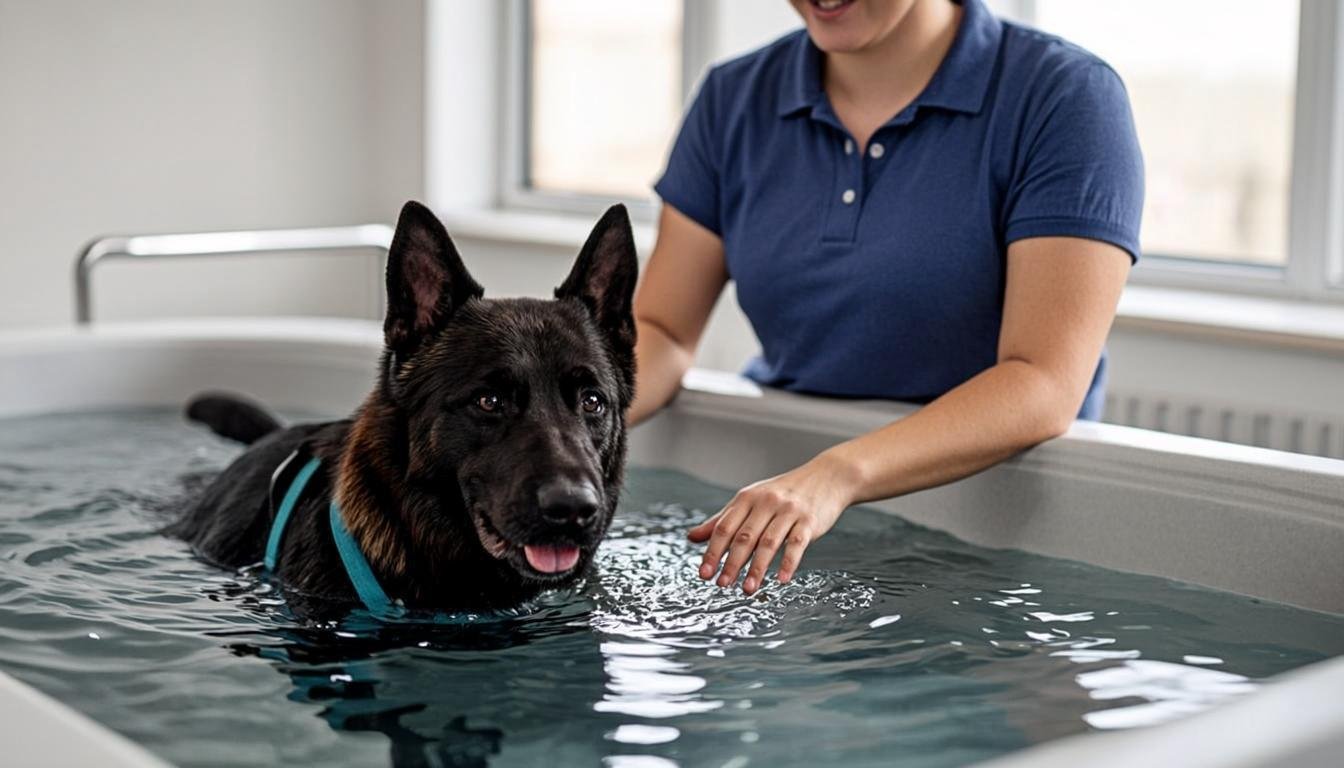
Exercise design comes second — consistent, controlled activity (swimming, leash walks, scent games) maintains the muscle mass that stabilizes dysplastic joints, while weekend-warrior intensity after weekday stillness is the pattern that ruptures cruciate ligaments and lands large breeds in surgery. Environment comes third: traction flooring on slippery hardwood, ramps replacing car and couch jumps, and the orthopedic rest surfaces recommended above.
Supplements earn their place inside this structure — they are the fourth lever, not the first, and owners who sequence them correctly get the full value of both. For the underlying disease driving this risk, read our guide to German Shepherd hip dysplasia, and for the longer arc of breed-specific aging, the strategies in our German Shepherd lifespan guide frame joint care as part of a whole-dog longevity program.
FAQ: Best Joint Supplements for German Shepherds
When should I start joint supplements for my German Shepherd?
There is no single approved answer, but the practical consensus runs: if your dog is a Shepherd, start the conversation at the first adult vet visit after 12 months, and start products earlier when genetics are known — parents with dysplasia, siblings with diagnoses, or early gait quirks. Prevention-oriented owners typically begin a fish-oil-plus-glucosamine routine between one and two years of age, with stronger stacks reserved for diagnosed disease.
Do glucosamine and chondroitin actually work for dogs?
The honest reading of the evidence is modest: the 2022 meta-analysis found small, uncertain benefits across nutraceutical trials, better than nothing but weaker than product marketing implies. They are safe, affordable, and plausibly helpful, which is why they remain the category’s foundation — but an owner buying only the classic pair is buying the category’s second-best evidence. Fish oil and green-lipped mussel carry stronger trial support per dollar.
What is the best joint supplement for a German Shepherd puppy?
Puppies generally do not need joint supplementation — they need controlled growth, which means appropriate large-breed nutrition and disciplined weight gain, covered in our feeding guides. The rational puppy-stage plan is nutrition and exercise management plus keeping hard-impact activity moderate until growth plates close. If your veterinarian flags early dysplasia signs, that becomes a specific clinical conversation rather than a shopping decision.
Can joint supplements replace pain medication?
No. Supplements operate on slow structural-support timelines; NSAIDs and other pain medications treat active pain pharmacologically. For a dog that is currently lame or painful, veterinary pain control comes first and supplements layer on top as the long game. Skipping prescribed pain management in favor of chews is one of the genuinely harmful decisions this article hopes to prevent.
How long before I see results from a joint supplement?
Judge any product on a six-to-twelve-week window at full weight-based dosing, tracked in a simple weekly log of stiffness and mobility. Omega-3 benefits sometimes show faster through coat and skin changes before joint-specific signs. No product on this list works at half dose, and none works in three weeks — anyone promising faster is selling to your urgency.
Are green-lipped mussel supplements worth the premium?
For many Shepherd households, yes — GLM carries direct clinical-trial support in osteoarthritic dogs, and the concentrated formats (YuMOVE, Antinol) deliver it at meaningful doses. Whether the premium beats simply dosing fish oil properly depends on your dog’s response; some owners run both, others find one clearly outperforms for their specific dog. The weekly log settles it honestly.
Sources and Limits
The evidence framing in this article draws on the 2022 systematic review and meta-analysis of nutraceuticals in canine and feline osteoarthritis, the systematic review of EPA/DHA supplementation in companion animals, the long-term UC-II study in dogs with degenerative joint disease,
the green-lipped mussel diet trial in dogs with clinical osteoarthritis, and breed-level screening data from the Orthopedic Foundation for Animals. Product claims about potency, testing, and onset reflect manufacturer statements and aggregated owner review patterns; we did not conduct independent laboratory analysis, and supplement regulation means label accuracy ultimately depends on manufacturer integrity. Doses given here are orientation, not prescription — confirm specifics with your veterinarian, especially alongside existing medication.
The Bottom Line on the Best Joint Supplements for German Shepherds
The best joint supplements for German Shepherds follow the evidence, not the label design, and the evidence has a clear shape: properly dosed omega-3s lead, green-lipped mussel and UC-II carry genuine trial support, and the classic glucosamine-chondroitin pair remains a safe, modest bet rather than a miracle. Within that landscape, Dasuquin Advanced is the comprehensive default for diagnosed arthritis, Cosequin Max Plus MSM is the disciplined maintenance starting point, Welactin is the strongest single-evidence pick in liquid form, and Zesty Paws solves the palatability problem that defeats other plans. The mussel-first households have YuMOVE and Antinol, and GlycoFlex serves working-dog load precisely.
Whatever you choose, dose it for the dog you actually have — ninety pounds, not the label’s smallest band — give it the twelve weeks it needs to show what it can do, and keep the levers that outrank supplementation running underneath it: lean weight, smart exercise, joint-friendly flooring and rest. Supplements written into that structure are what they genuinely can be for this breed — a daily, modest, honest contribution to keeping a German Shepherd moving comfortably through the years its hips and elbows were built to carry.