
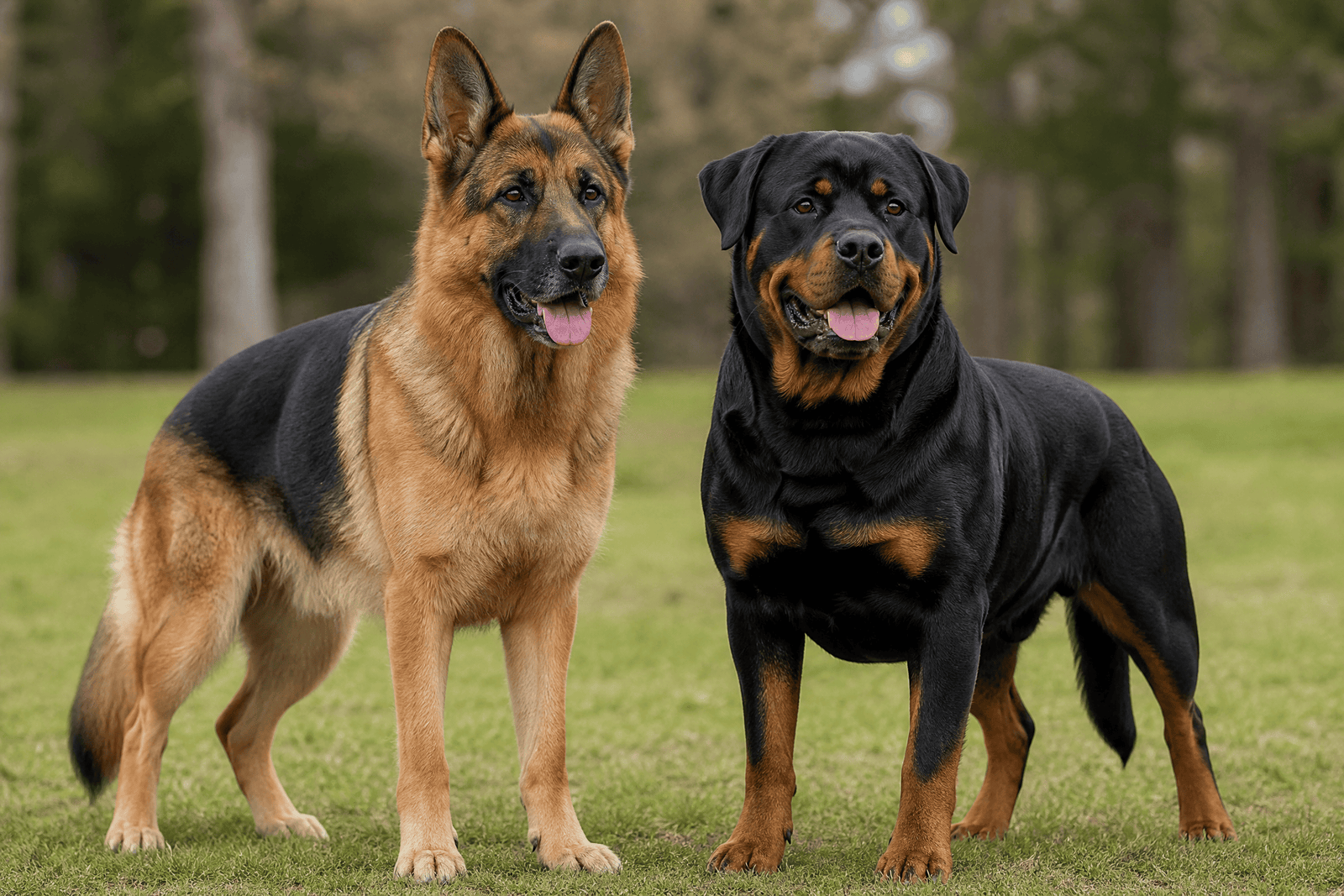
Explore the Rottweiler vs German Shepherd best protector debate for American families. Learn about their traits, training needs, and real-life effectiveness.
Table of Contents
- Introduction
- History and Origins: Rottweiler vs German Shepherd as Protectors
- Physical Characteristics and Temperament: Key Factors in Protection
- Training and Socialization: Shaping the Best Protector
- Protective Instincts: Real-Life Scenarios and Effectiveness
- Safety Around Family: Balancing Protection and Gentleness
- Exercise and Mental Stimulation: Meeting High Energy Demands
- Cost and Maintenance: Long-Term Considerations
- Conclusion
- Sources and Further Reading
- Temperament: Guard Instinct vs Family Companion
- Training and Socialization Demands
- Exercise Requirements Compared
- Health: What Each Breed Is Prone To
- Cost of Ownership in 2026
- Rottweiler vs German Shepherd: Key Takeaways
- Rottweiler vs German Shepherd: Which Breed Should You Choose?
- FAQ: Rottweiler vs German Shepherd
Introduction
When it comes to safeguarding your home and loved ones, the debate between a Rottweiler vs German Shepherd as the best protector for American families is a topic of significant interest. Both breeds are renowned for their loyalty, intelligence, and protective instincts, but their differences in temperament, training needs, and physical traits make this comparison essential for prospective dog owners. This article dives deep into the strengths, weaknesses, and unique qualities of Rottweilers and German Shepherds to determine which breed stands out as the ultimate guardian.
History and Origins: Rottweiler vs German Shepherd as Protectors
The Rottweiler and German Shepherd each have storied histories that contribute to their roles as protectors. Originating in Germany, the Rottweiler was bred as a cattle-driving and guard dog, revered for its strength and resilience. Meanwhile, the German Shepherd emerged as a versatile working dog, excelling in police, military, and search-and-rescue roles due to its agility and trainability. Understanding their origins helps explain why both breeds are top contenders in the Rottweiler vs German Shepherd best protector debate.
For more on breed histories, visit the American Kennel Club’s Rottweiler page and German Shepherd page.
Those working foundations still shape both breeds today. German Shepherd lines split into show and working strains with different drives, while Rottweiler breeding stayed closer to protection and carting work. Knowing which line sits behind your puppy explains a lot about the energy level and intensity you will manage day to day.
Physical Characteristics and Temperament: Key Factors in Protection
A critical aspect of the Rottweiler vs German Shepherd best protector discussion lies in their physical and behavioral traits. Rottweilers boast a muscular build, weighing 80-135 pounds, with a natural intimidation factor that deters intruders. Their calm confidence and unwavering loyalty make them vigilant guardians.
German Shepherds, slightly lighter at 50-90 pounds, are agile and athletic. Their sharp senses and high energy levels allow them to patrol large areas efficiently. Both breeds are intelligent, but German Shepherds often edge out in obedience training due to their eagerness to please.
However, temperament varies: Rottweilers may be more reserved with strangers, while German Shepherds are alert but less overtly aggressive. Proper socialization is crucial for both to ensure their protective instincts don’t tip into unwanted aggression.
Training and Socialization: Shaping the Best Protector
Training a Rottweiler vs German Shepherd for the best protector role requires patience and consistency. Rottweilers, while intelligent, can be strong-willed. Positive reinforcement and early socialization with people and other animals are vital to curb dominance tendencies.
German Shepherds thrive on structured routines and excel in advanced obedience training. Their responsiveness to commands makes them ideal for roles like police work. Both breeds benefit from programs like the AKC Canine Good Citizen, which reinforces good behavior.
Plan on at least one structured session daily for the first eighteen months, then short refreshers for life. Ten focused minutes of obedience interleaved with play beats an hour of repetitive drills, and both breeds settle faster at home when the training budget is paid in small, daily installments.
A study by Applied Animal Behaviour Science highlights that breeds with high intelligence, like these two, require mental stimulation to prevent boredom-related aggression.
Protective Instincts: Real-Life Scenarios and Effectiveness
The Rottweiler vs German Shepherd best protector debate gains clarity when examining real-life scenarios. Rottweilers, like Rocky in California, have thwarted home invasions through sheer bravery. Their instinct is to confront threats head-on, often physically restraining intruders.
German Shepherds, employed widely in law enforcement, use a blend of intimidation and tactical barking to deter criminals. Their ability to assess situations and act on command gives them an edge in controlled environments.
Both breeds require clear boundaries to differentiate between genuine threats and harmless visitors. A poorly trained dog of either breed can become a liability, emphasizing the need for professional guidance.
Safety Around Family: Balancing Protection and Gentleness
A common concern in the Rottweiler vs German Shepherd best protector discussion is their safety around children and elderly family members. Rottweilers, despite their imposing size, are often gentle with children they’re raised with. Their natural protectiveness extends to all family members, though supervision is advised due to their strength.
German Shepherds form deep bonds with families and are highly adaptable to household dynamics. Their herding instinct might lead to nipping, but training can mitigate this. Resources like Family Dog Training Tips offer strategies to foster harmony.
Exercise and Mental Stimulation: Meeting High Energy Demands
The Rottweiler vs German Shepherd best protector title also hinges on meeting their exercise needs. Rottweilers require 1-2 hours of daily activity, including walks and strength-based games. Without it, they may develop destructive habits.
German Shepherds need even more stimulation—2+ hours of running, agility training, or interactive play. Mental challenges, like puzzle toys or scent work, keep their sharp minds engaged. Failing to meet these needs can lead to anxiety, a factor potential owners must consider.
Mental work counts double for these athletes. Rotate sniffing walks, puzzle feeders, and short nose-work sessions through the week, and schedule real training reps on top. A Rottweiler that problem-solves for ten minutes often winds down faster than one that only walked, and a German Shepherd without a task will invent one you will not like.
Cost and Maintenance: Long-Term Considerations
Owning either breed in the Rottweiler vs German Shepherd best protector debate involves financial commitments. Rottweilers may cost $1,500-$2,500 upfront, with higher food expenses due to their size. Health issues like hip dysplasia require budget planning.
German Shepherds, priced similarly, face risks of degenerative myelopathy. Both breeds need regular vet check-ups, quality diets, and grooming. Pet insurance, such as Healthy Paws, can offset unexpected costs.
Conclusion
In the Rottweiler vs German Shepherd best protector debate, the answer depends on your family’s lifestyle, training commitment, and environment. Rottweilers offer unmatched physical deterrence, while German Shepherds provide versatility and obedience. With proper training, socialization, and care, both breeds can be loyal, loving guardians.
Sources and Further Reading
The following authoritative resources provide additional context for the guidance in this article. They do not replace advice from a qualified veterinarian or behavior professional.
Temperament: Guard Instinct vs Family Companion
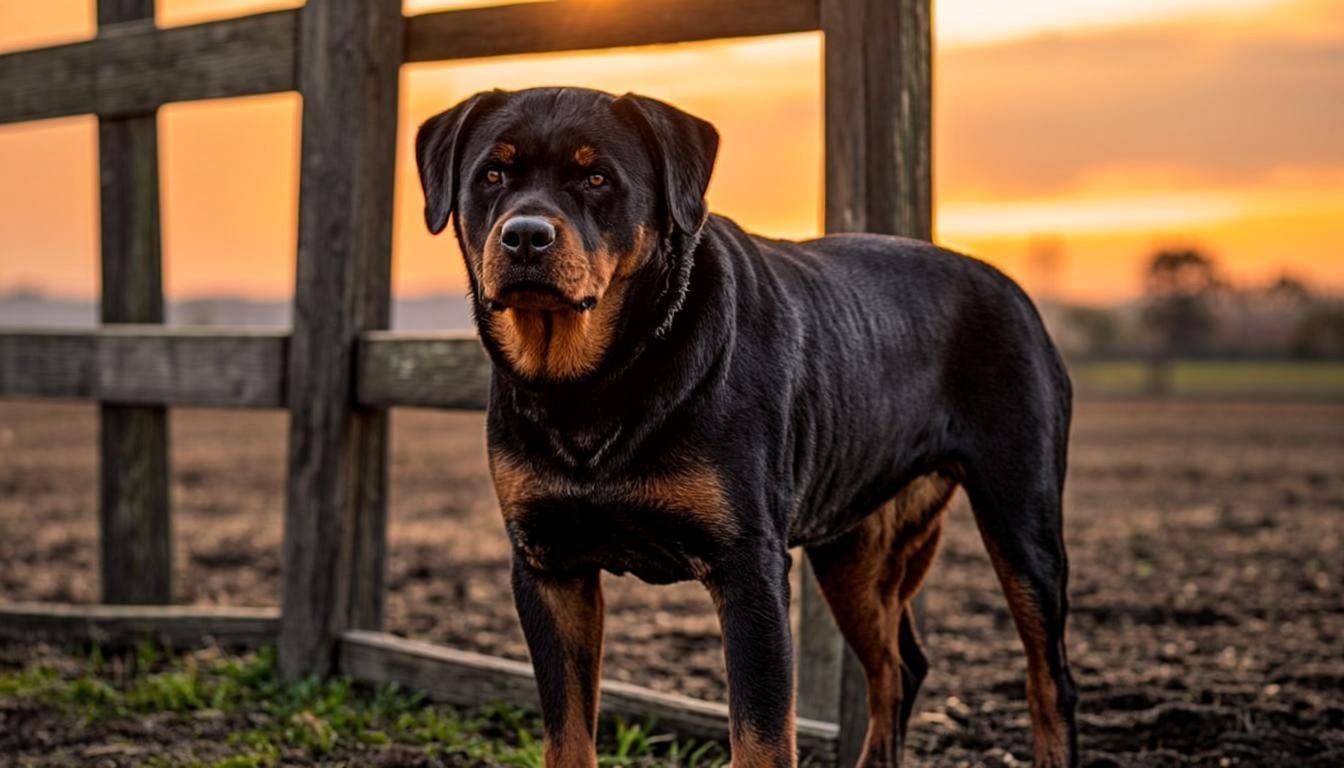
Both breeds were engineered for serious work, but they wear their confidence differently. A Rottweiler is a natural property guardian — watchful, deliberate, and physically unmovable when its family is threatened. A German Shepherd is a versatile problem-solver that guards through intelligence and presence rather than sheer mass, and it typically bonds more broadly with everyone in the household.
In practice, that means a Rottweiler is often more aloof with strangers while a well-socialized German Shepherd accepts visitors once its owner approves of them. Neither breed does well left alone in a backyard; both need to live as family members to develop the stable judgment they are famous for. If your vision is a dog that reads situations and adapts, the German Shepherd fits better; if you want a calm, powerful deterrent that rarely leaves your side, the Rottweiler has the edge.
Training and Socialization Demands
Neither of these breeds is a beginner dog, though for different reasons. The German Shepherd learns faster — consistently ranked in the top three breeds for working obedience — but its sensitivity means harsh corrections backfire quickly, and its drive needs a constructive outlet or it invents one. The Rottweiler is equally intelligent but more independent and physically stronger as a puppy, so leash manners and impulse control must be installed early, while the dog is still manageable.
For both, structured socialization before sixteen weeks of age is non-negotiable: guarded breeds that miss that window can become suspicious in ways that are difficult to reverse. Our complete German Shepherd training and behavior guide walks through the foundation plan month by month, and the techniques transfer directly to Rottweiler puppies with adjustments for pace.
Exercise Requirements Compared
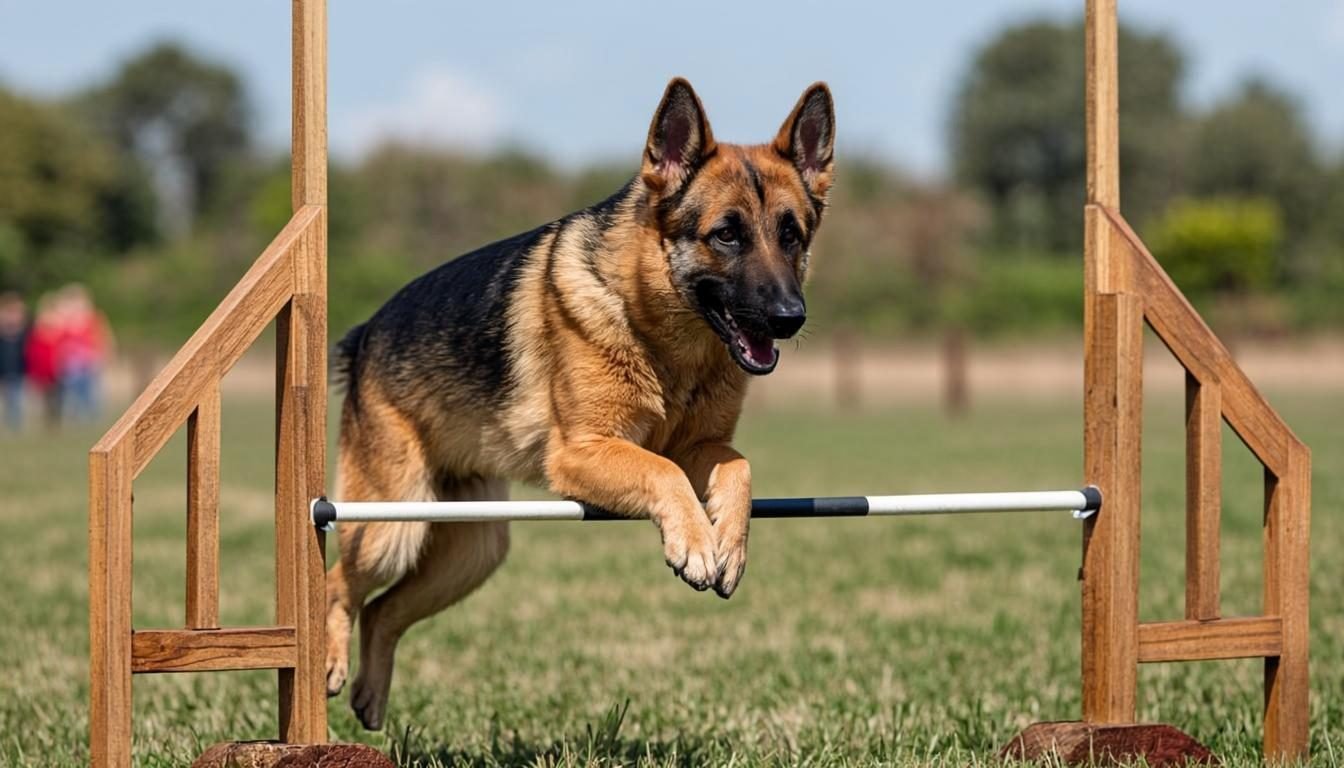
Both breeds are working athletes, but the shape of their exercise differs. A healthy adult German Shepherd generally needs 90 minutes to two hours of activity daily, and it thrives when mental work — scent games, obedience drills, puzzle feeders — makes up a third of it. A Rottweiler needs a similar total time commitment but at a lower intensity: steady walks, moderate play, and strength-appropriate pulling games suit its build better than the sustained sprint work a German Shepherd relishes. Skipping exercise in either breed does not create a calm dog; it creates a destructive one.
| Factor | German Shepherd | Rottweiler |
|---|---|---|
| Daily exercise (adult) | 90–120 minutes, high intensity | 60–90 minutes, moderate intensity |
| Mental stimulation | Critical — drives need a job | Important — prevents boredom chewing |
| Apartment living | Possible with serious commitment | Possible but harder at full size |
| First-time owner | Challenging but manageable with guidance | Generally not recommended |
Health: What Each Breed Is Prone To
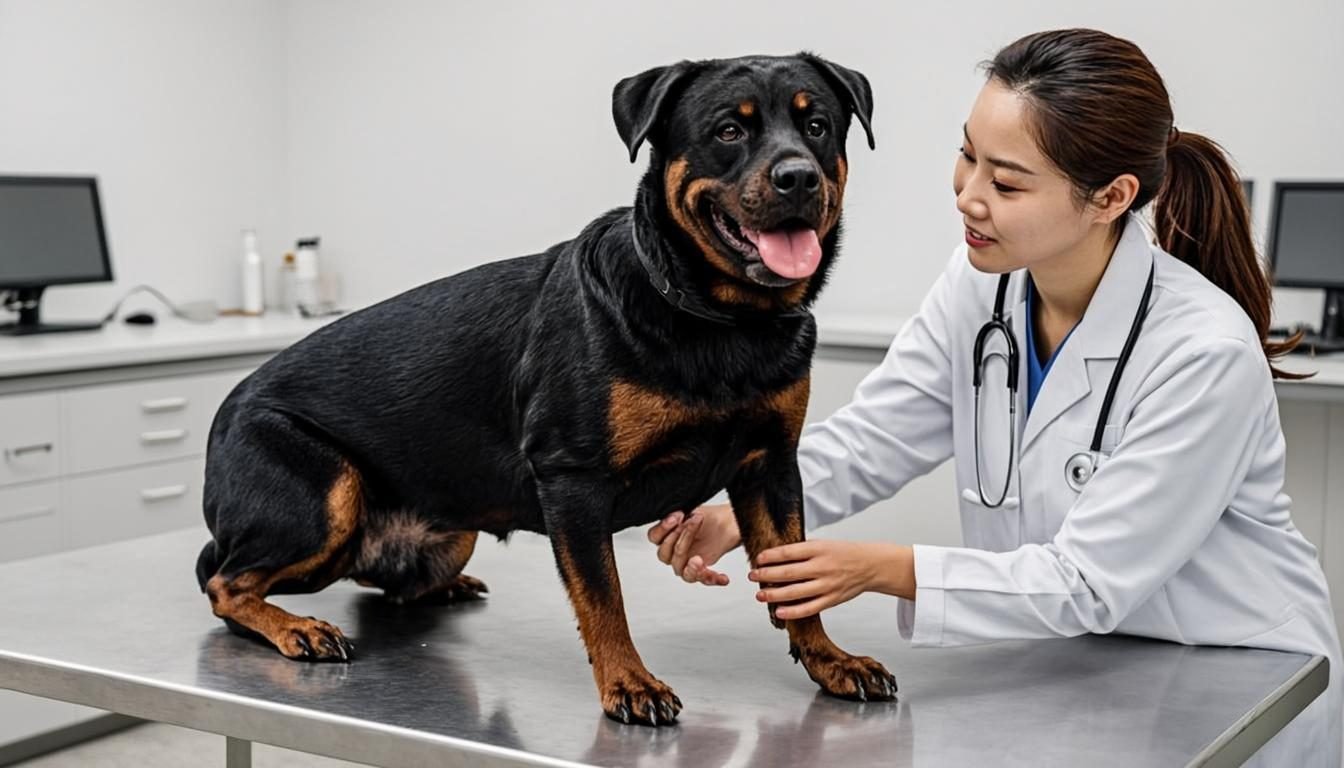
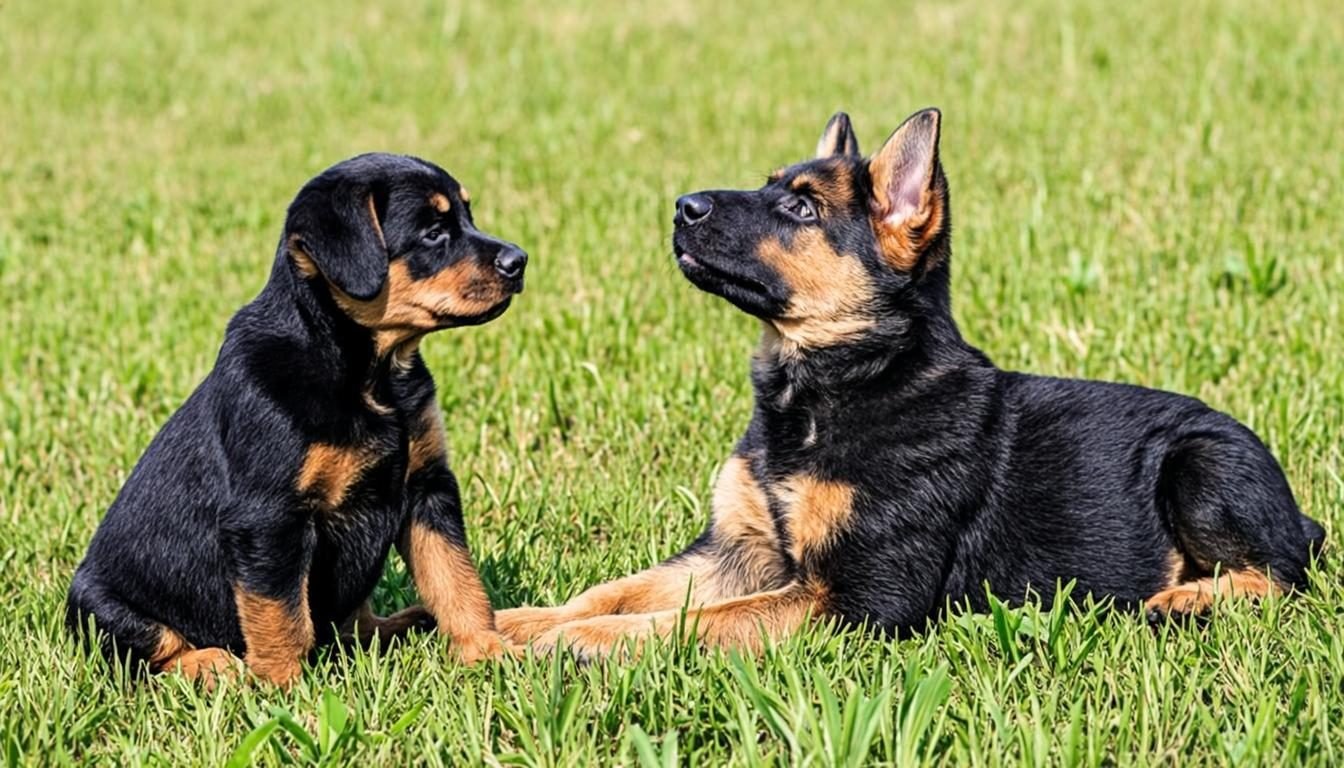
Large breeds share predictable weaknesses, and both of these carry orthopedic risk. Hip and elbow dysplasia affect each breed at similar rates, which is why you should only buy from breeders who present OFA or equivalent screening certificates for both parents. The German Shepherd additionally carries degenerative myelopathy risk and a deeper list of food sensitivities — our hip dysplasia guide explains the signs and the screening that catches problems early.
Rottweilers face higher rates of certain cancers (including osteosarcoma) and heart disease, and their deeper chest adds bloat risk. Budget realistically either way: the first year of preventive care for a large breed, including quality food and screening discussions with your vet, rarely costs less than $1,500. Feeding choices matter more for these breeds than most — our German Shepherd nutrition guide covers the growth-phase rules that protect developing joints.
Cost of Ownership in 2026
Purchase price is only the opening bid. A German Shepherd puppy from a reputable breeder typically runs $1,500 to $3,500 in 2026, with working-line dogs commanding more; Rottweiler puppies from health-tested parents fall in a similar $1,800 to $3,500 band. The real differences show up later. Rottweilers eat slightly more at maturity and their insurance premiums tend to run higher because of cancer risk — our breed insurance comparison shows how providers price orthopedic and hereditary conditions.
For a full breakdown of first-year costs beyond the purchase price, our puppy cost guide itemizes supplies, veterinary care, and training with 2026 numbers that apply to both breeds.
Rottweiler vs German Shepherd: Key Takeaways
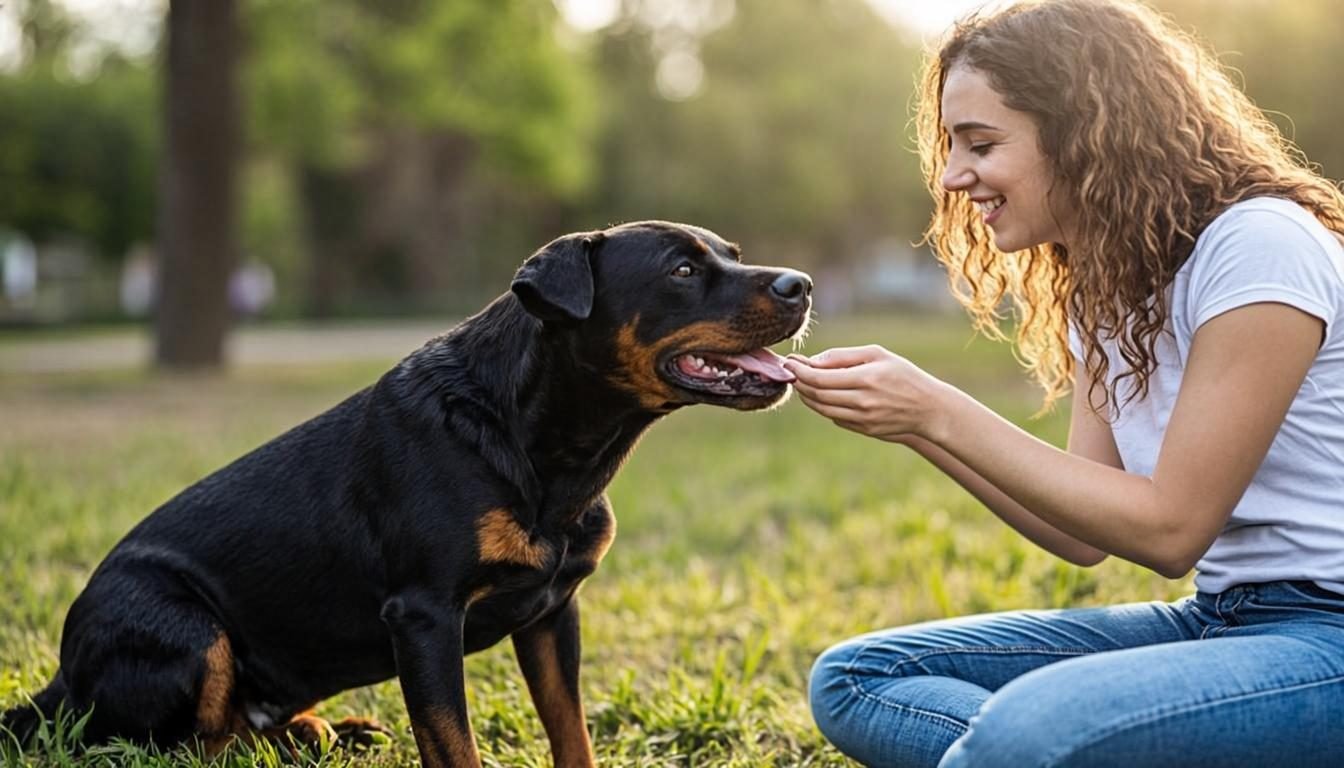
The Rottweiler vs German Shepherd decision comes down to fit rather than superiority. The Rottweiler offers unmatched physical deterrence, calmer indoor energy, and a shorter coat; the German Shepherd offers faster learning, broader versatility, and easier integration into busy family routines. Both breeds need health-tested parents, early socialization before sixteen weeks, daily exercise, and ongoing training. Choose the guardian temperament that matches your household, then invest in preparation – that commitment matters more than the breed you pick.
Rottweiler vs German Shepherd: Which Breed Should You Choose?
Choose the German Shepherd if you want a versatile partner: a dog that trains fast, adapts to family rhythms, and can scale from household companion to serious scent work or protection sport. Choose the Rottweiler if your priority is a steady, physically imposing guardian with lower exercise intensity and you have the experience to handle a strong, independent dog. Whichever direction you lean, interview breeders who health-test, commit to the socialization window, and budget for training — the breed choice matters less than the preparation behind it.
Further reading: Comparing guardian breeds? These head-to-head guides help: Belgian Malinois vs German Shepherd the German Shepherd Rottweiler mix.
FAQ: Rottweiler vs German Shepherd
Which breed is more protective?
Both are exceptional guardians. Rottweilers deter through size and presence; German Shepherds deter through alertness, speed, and trainability. Protection outcomes depend far more on training than on breed.
Which breed sheds more?
The German Shepherd, famously. Its double coat sheds year-round with two heavy seasonal blows, while the Rottweiler’s short coat is easier to manage with weekly brushing.
Can they live with children?
Yes — both are devoted family dogs when raised with kids and trained properly. The German Shepherd’s herding instinct can nudge toddlers, so teach alternative behaviors early; the Rottweiler’s size requires supervision around small children purely for knock-down risk.
Which breed barks more?
The German Shepherd is generally the more vocal of the two and makes an excellent alarm dog. Rottweilers tend to bark with purpose rather than habit, though individual temperament and training shape barking in both breeds far more than genetics.
Which breed is easier to train?
The German Shepherd learns faster and responds to commands with more precision, which is why police and service programs favor the breed. Rottweilers are equally capable but more independent, so training sessions need shorter, higher-value repetition and consistent leadership from the start.