

German Shepherds are one of the most popular and versatile dog breeds in the world. They are known for their intelligence, loyalty, and protective nature. When it comes to German Shepherds, there are several types that differ in appearance, temperament, and working abilities. In this article, we will explore the different types of German Shepherds and provide valuable insights into their unique qualities.
Table of Contents
- Introduction
- Working-Line German Shepherds
- Show-Line German Shepherds
- American German Shepherds
- European German Shepherds
- Key Traits That Separate the Types of German Shepherds
- How to Choose Among the Types of German Shepherds
- Key Takeaways on the Types of German Shepherds
- The Types of German Shepherds at a Glance
- Coat Colors Across the Types of German Shepherds
- Conclusion: The Right Types of German Shepherds for You
Introduction
German Shepherds, also known as Alsatians, have been bred for various purposes such as herding, guarding, police and military work, search and rescue, and companionship. Over time, breeders have developed different lines of German Shepherds with specific traits and characteristics to excel in different fields.
The main types of German Shepherds come down to five lines people actually meet: working lines, show lines, American lines, European lines and the pet-bred mixes between them. Knowing which types of German Shepherds a breeder produces tells you more about your next ten years than any photo gallery.
Understanding the different types of German Shepherds is essential for prospective owners and enthusiasts who want to find a dog that best suits their needs and lifestyle. Let’s delve into the main types of German Shepherds:
Working-Line German Shepherds
Inside kennels that breed the working types of German Shepherds, you will hear titles used as family names: the dogs live for the decoy, the sleeve and the search. That is not cruelty – it is a channel for drives the breed was founded on, and it is why these dogs need owners who train.
Ask one question at the kennel: what are your dogs selected for? Breeders of working types of German Shepherds will talk about trials and titles; show breeders will talk about structure and gait. The answer predicts energy level in your living room better than any sales page.
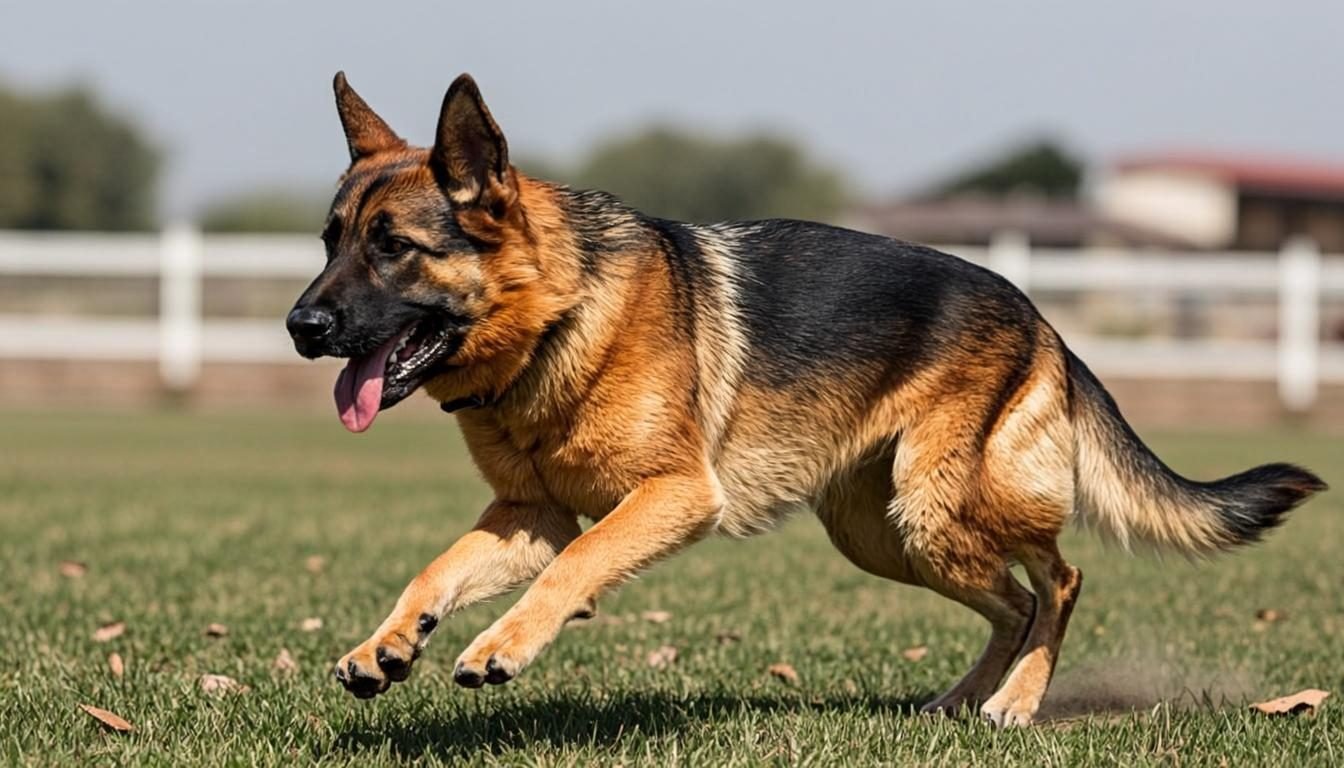
Working-line German Shepherds are bred primarily for their working abilities. They possess a strong drive, high energy levels, and exceptional intelligence. These dogs excel in tasks such as obedience, protection work, herding, and various dog sports. Working-line German Shepherds often have a more intense drive to work, making them suitable for experienced handlers and individuals seeking a working or competitive companion.
Show-Line German Shepherds
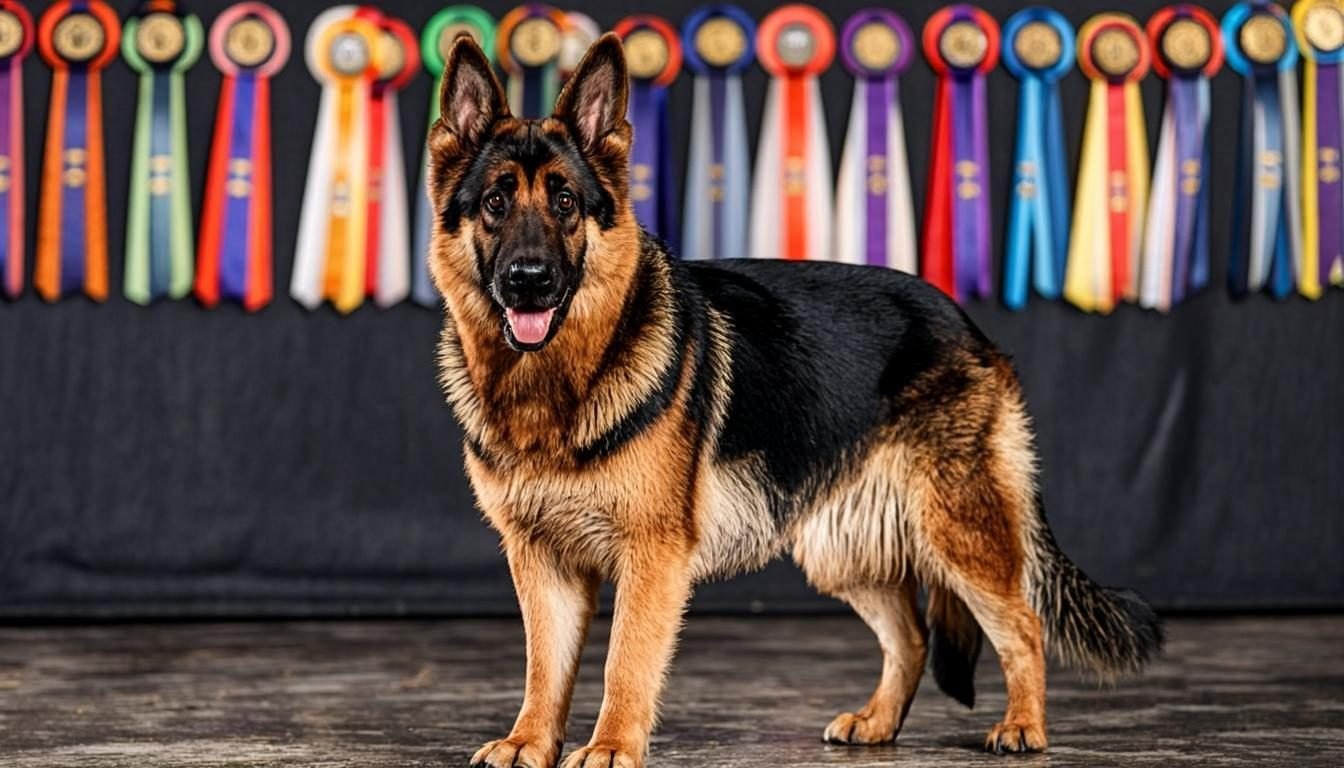
Show types of German Shepherds are measured against a written standard: topline, gait, character in the ring. The best of them still herd and still work, but a weekend on the couch is not a failure for a well-bred show dog.
Show-line German Shepherds, as the name suggests, are primarily bred for conformation shows. These dogs have a distinct appearance with a more angulated hind end, a more laid-back temperament, and a focus on beauty and adherence to breed standards. Show-line German Shepherds are well-suited for families and individuals looking for a loyal and calm companion, but they may require less physical exercise compared to working-line German Shepherds.
American German Shepherds
American German Shepherds grew out of imports that won here in the 1960s and 1970s, then were bred toward the angulated silhouette American judges rewarded. Among German Shepherd types, this line is the easiest to find in US shelters and pet homes.
American lines favor a flowing, angulated silhouette and a softer edge, which many families find easier to live with. Among the types of German Shepherds, this is the one most often chosen for companionship first and protection second.
American German Shepherds have their own unique characteristics. They are often larger in size, have a more laid-back temperament, and may exhibit a slightly different appearance compared to their European counterparts. American German Shepherds are known for their versatility and can excel in various roles, including search and rescue, therapy work, and as beloved family pets.
European German Shepherds
European German Shepherds is the umbrella term for German, Czech, Dutch and East German bloodlines. Within the German Shepherd types, these kennels kept the trial system mandatory, which is why sport handlers import from them.
European German Shepherds are highly regarded for their working abilities and overall drives. They are often bred for tasks such as police work, protection work, and search and rescue operations. European German Shepherds tend to have a stronger drive, sharper focus, and higher energy levels. These dogs require dedicated training, mental stimulation, and physical exercise to thrive.
Key Traits That Separate the Types of German Shepherds
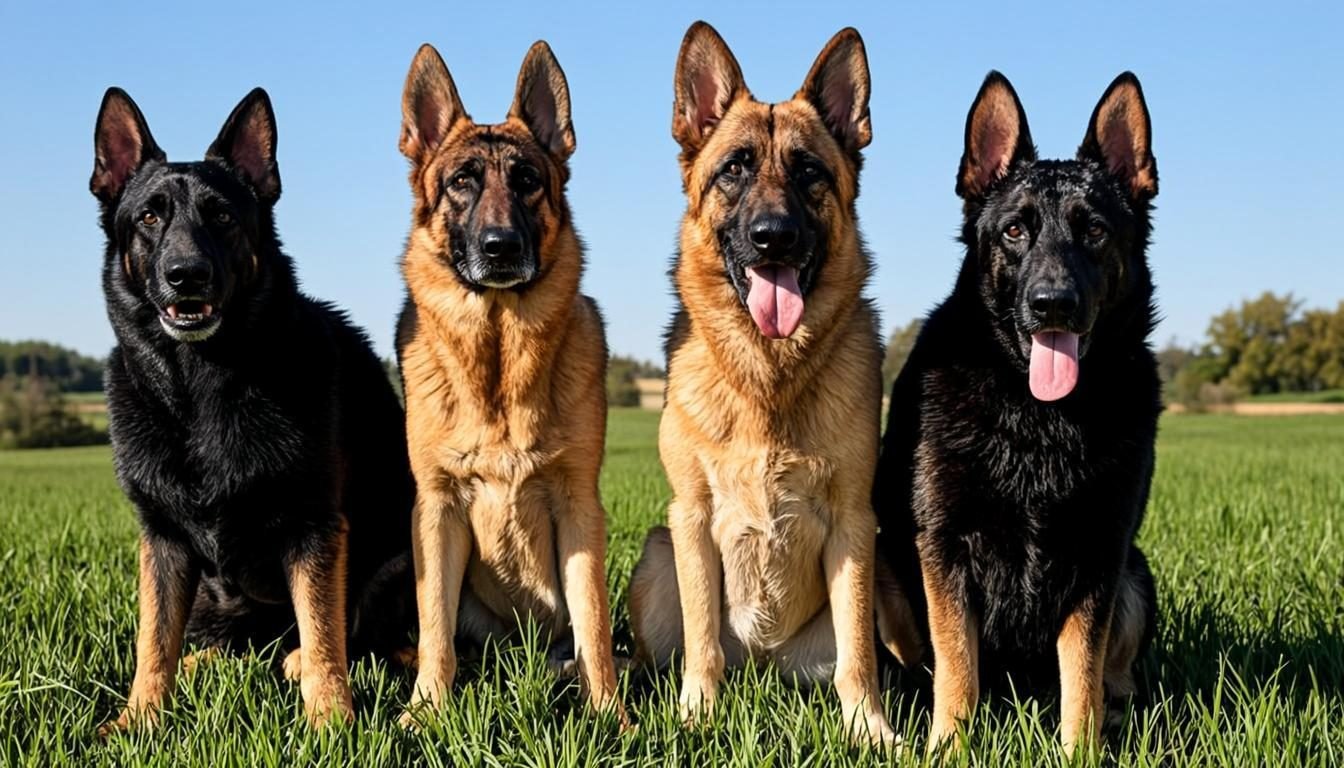
Put five dogs from the five lines side by side and the differences jump out. Working types of German Shepherds are square-built, straight-backed and intensity itself; show lines carry more angulation and a calmer cadence; American lines stretch that silhouette further; European lines split the difference with a sport overlay. Temperament follows the same gradient, from tireless employee to easy-going family dog.
Drive is the honest divider. A dog from working types of German Shepherds needs a job, or it will invent one you will not enjoy. Show and American lines still need exercise and training, but they recover from boredom faster and forgive an owner’s busy week. Coat varies too – sable to solid black – though color says nothing about character.
Health profiles overlap more than marketing suggests. Responsible breeders across all types of German Shepherds certify hips and elbows, and the longer-lived lines tend to be the moderate ones. Ask for scores, meet the mother, and judge the kennel by its questions about you.
How to Choose Among the Types of German Shepherds
Start from your calendar, not your wishlist. Count the hours you can give training, exercise and grooming each week, then match the line that fits that number. Families with young children usually do best with the softer types of German Shepherds, while single owners with time for sport thrive with high-drive dogs.
Vet every breeder against the breed standard and health data published by the AKC German Shepherd profile, then ask to see hip and elbow certificates for both parents. The American German Shepherd Dog Club and similar national clubs publish breeder directories that make the first filter easy, and a serious kennel will happily connect you with past puppy buyers.
Q: How long do the different types of German Shepherds live?
Most types of German Shepherds live nine to thirteen years, with moderate-built lines often on the higher end. Diet, weight control and certified joints matter more than the bloodline name.
Q: Are the rare coat colors a separate type?
No – liver, blue and panda coats appear inside normal types of German Shepherds. Color is genetics, not a working category, so judge the dog on structure and temperament instead.
Key Takeaways on the Types of German Shepherds
Five types of German Shepherds dominate the market: working, show, American, European and pet-bred. Working lines need jobs, show and American lines suit calmer homes, and European lines blend both worlds. Match the line to your schedule, demand health certificates, and the types of German Shepherds stop being confusing – they become options.
The Types of German Shepherds at a Glance
No table replaces meeting dogs in person, but it puts the types of German Shepherds on one page. Read the drive column as hours of work your dog will expect, and the best-for column as the home that thrives with that expectation.
| Type | Build & look | Drive level | Best for |
|---|---|---|---|
| Working line | Square, straight-backed, athletic | Very high | Sport, police work, active handlers |
| Show line (German) | Moderate angulation, rich color | High | Families with training time |
| American line | Angulated, flowing gait | Moderate | Companion and therapy homes |
| European line | Working type, sport-tested | High | Experienced owners, dog sports |
| Pet-bred mixes | Variable | Unpredictable | Flexible homes that vet carefully |
Use the table as a filter, not a verdict. Individual German Shepherd types overlap, and the dog in front of you always beats the label on its papers.
Coat Colors Across the Types of German Shepherds
Coat color travels across every line, which is why it cannot identify the types of German Shepherds on sight. Sable looks working-line because it dominates there, yet show-line litters throw sables too; solid blacks appear in both. The classic black-and-tan saddle remains the image most people picture when German Shepherd types come up, and the long-coated variant appears in every line as well.
What color does predict is nothing about temperament. Breeders who sell color as a category are selling scarcity, not quality. Judge structure, health certificates and the parents’ behavior instead – the coat is the least informative part of the dog.
Cost varies more by breeder quality than by line name. Among the types of German Shepherds, imported working and European puppies command the highest prices because trials, titles and shipping cost money; American show and pet-bred puppies range lower. Whatever the line, the cheapest puppy is never the one without health testing – it is the one whose joints or nerves fail at two years old.
One more filter that saves heartbreak: meet the mother dog. Across all types of German Shepherds, the temperament she shows in the whelping room is the temperament her German Shepherd puppies are most likely to inherit. A breeder who refuses that meeting is answering your question anyway.
Finally, trust the pattern, not the pitch. Every one of the types of German Shepherds has good and bad kennels, and the pattern that separates them is transparency: open health scores, titled or shown parents, puppies raised in the house, and questions asked of you. Breeders who pass that filter produce German Shepherd types worth waiting for.
Further reading: if you are still weighing the types of German Shepherds against each other, our guides to the working line German Shepherd and the German vs American lines go deeper on the two most contrasted profiles, and the German Shepherd lifespan guide explains how line choice shows up in long-term health.
Further reading: Explore more coat colors and breed variations: the Blue German Shepherd explained German Shepherd look-alike breeds the black and brown German Shepherd.
Conclusion: The Right Types of German Shepherds for You
German Shepherds come in various types, each with its own set of characteristics and traits. Whether you’re seeking a German Shepherd for working purposes, show competitions, or as a loving family companion, understanding the different types will help you make an informed decision. Working-line German Shepherds are ideal for experienced handlers and those involved in dog sports, while show-line German Shepherds are great for families seeking a loyal and calm pet. American and European German Shepherds offer their unique strengths and can excel in various roles. Whichever type you choose, German Shepherds are remarkable dogs that will bring loyalty, intelligence, and companionship to your life.
FAQs about German Shepherd Types
Q: Are German Shepherds suitable for families with children?
A: Yes, German Shepherds can be great family dogs, especially when properly socialized and trained from a young age. They are loyal, protective, and often form strong bonds with children.
Q: Which type of German Shepherd is the best for protection work?
A: Working-line German Shepherds are often preferred for protection work due to their high drive, trainability, and natural guarding instincts.
Q: Do German Shepherds require a lot of exercise?
A: Yes, German Shepherds are an active breed that thrives on physical exercise and mental stimulation. Regular exercise and playtime are essential for their well-being.
Q: Can German Shepherds adapt to apartment living?
A: While German Shepherds are adaptable, they are typically better suited to homes with spacious yards where they can exercise and burn off energy. However, with sufficient exercise and mental stimulation, they can adjust to apartment living.
Q: How do I choose the right type of German Shepherd for me?
A: Consider your lifestyle, experience level, and the purpose you have in mind for the dog. Research and interact with different types of German Shepherds to determine which one aligns best with your needs and preferences.
By understanding the different types of German Shepherds and their unique qualities, you can make an informed decision when welcoming one of these remarkable dogs into your life. Whether you choose a working-line German Shepherd for specific tasks, a show-line German Shepherd for companionship, or an American or European German Shepherd for their versatile abilities, you’ll undoubtedly experience the loyalty, intelligence, and love that these dogs bring to their families.