

Welcome to the fascinating realm of short-haired German Shepherds! With their striking appearance and intelligent nature, these dogs have captured the hearts of many pet enthusiasts. In this article, we will delve into the world of short-haired German Shepherds, exploring their distinct features, temperament, training needs, and more. Whether you’re considering adding one of these magnificent canines to your family or simply want to learn more about them, this guide has got you covered!
So what sets the short-haired German Shepherd apart from its longer-coated kennel mates? In working terms, almost nothing – and in maintenance terms, quite a lot. The short-haired German Shepherd carries the dense stock coat the breed was founded on, sheds less than the plush dogs, dries faster after rain and asks for a fraction of the grooming time.
Table of Contents
- 1. Introduction
- 2. Characteristics of Short-Haired German Shepherds
- 3. Training and Socialization
- 4. Health and Care
- Shedding, Grooming Myths and the Allergy Question
- Is a Short-Haired German Shepherd Right for You?
- 5. Frequently Asked Questions
- Key Takeaways: Short-Haired German Shepherd
- 6. Conclusion
1. Introduction
History explains why the short coat is the default. Every founding dog registered when the breed was formalized in 1899 carried the stock coat, and the first standard was written around it. Long coats appeared in litters from the start and were quietly excluded from breeding programs for decades, which is why today the short-haired German Shepherd dominates working kennels, police units and the show ring alike – it is not a trend, it is the original blueprint.
Short-haired German Shepherds, also known as GSDs, are a magnificent breed that originated in Germany. With their athletic build, noble appearance, and incredible loyalty, they have become one of the most popular dog breeds worldwide. The hallmark of a short-haired German Shepherd is their sleek coat, which distinguishes them from their long-haired counterparts. This breed is renowned for its intelligence, versatility, and working capabilities, making them excellent partners for various roles, including search and rescue, police work, and service dogs.
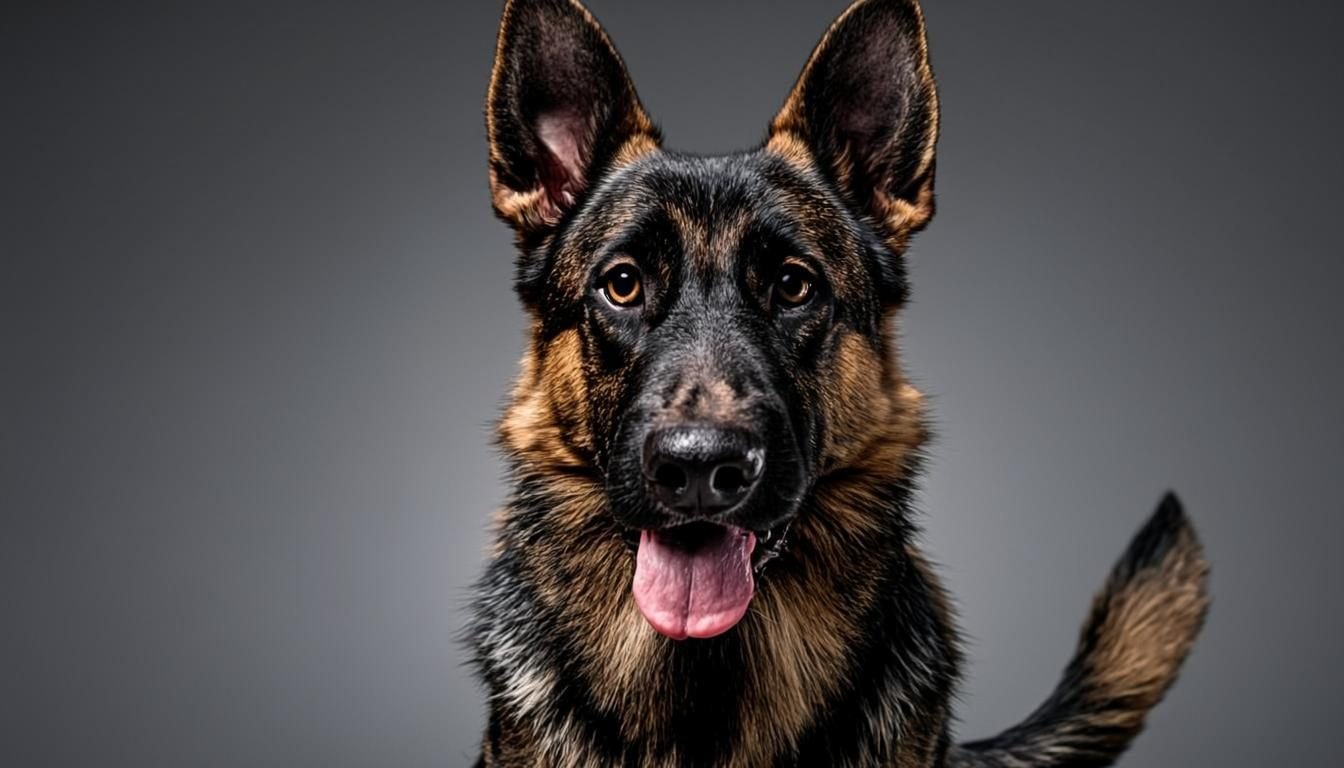
Short-haired German Shepherds possess a unique blend of strength, agility, and elegance. They have a sturdy frame, well-defined muscles, and a distinctively arched back. Their coat is short, dense, and weather-resistant, allowing them to thrive in various climates. This breed typically displays a combination of tan, black, and red colors, with striking markings that add to their charm. Whether you’re an experienced dog owner or a first-time guardian, a short-haired German Shepherd can be an exceptional companion.
2. Characteristics of Short-Haired German Shepherds
Structure tells the real story. A quality short-haired German Shepherd is not a slimmed-down version of the breed – it is the breed, with a close-lying stock coat that reveals every line of the athletic frame underneath. Judges, police handlers and sport competitors often prefer the look precisely because nothing is hidden by a plush ruff.
Short-haired German Shepherds are renowned for their impressive array of characteristics that make them stand out from other breeds. Here are some key traits:
Intelligence and Trainability
One of the defining traits of short-haired German Shepherds is their remarkable intelligence. They are quick learners and excel in obedience training, making them ideal candidates for various roles, including working dogs and family pets. Their intelligence combined with their eagerness to please makes training sessions highly effective and enjoyable.
Loyalty and Protective Nature
Short-haired German Shepherds are deeply loyal and form strong bonds with their families. They have a natural protective instinct, which makes them excellent guard dogs. Their loyalty is unwavering, and they will go to great lengths to keep their loved ones safe.
Active and Energetic
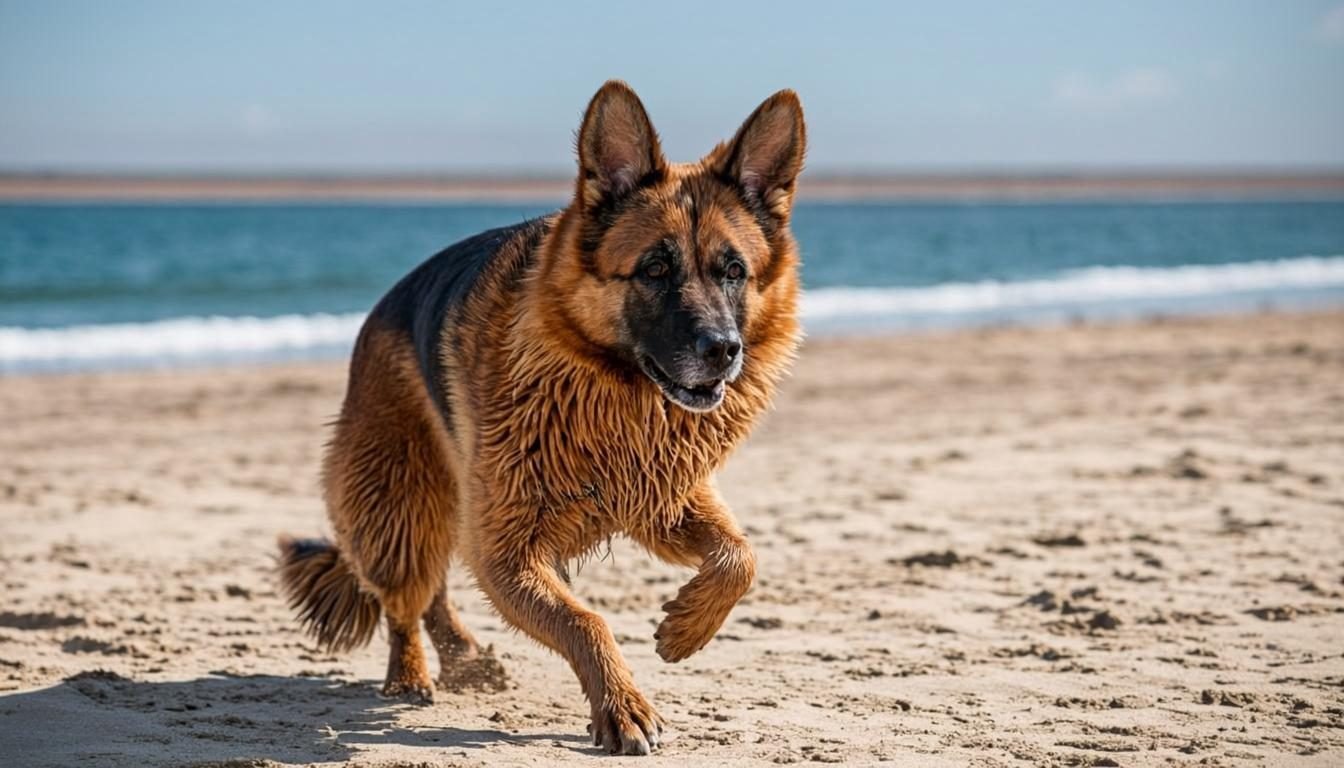
This breed thrives on physical activity and mental stimulation. Regular exercise is essential to keep them physically fit and mentally stimulated. Engaging in activities such as daily walks, runs, or play sessions will help satisfy their energy needs and prevent boredom-related behaviors.
Socialization and Compatibility
Proper socialization from an early age is crucial for short-haired German Shepherds. They are generally good with children and can coexist with other pets if introduced and socialized properly. Early socialization and exposure to different environments, people, and animals will help them grow into well-rounded and confident companions.
3. Training and Socialization
Training equipment stays simple for this variety. A flat collar or front-clip harness, a standard leash and a pocket full of rewards cover ninety percent of sessions with a short-haired German Shepherd. Because the coat sheds water and mud quickly, there is no barrier to training in poor weather – the dogs that practice in rain, snow and wind become the ones you can trust anywhere.
Training and socialization are vital aspects of raising a well-behaved and balanced short-haired German Shepherd. Here are some tips to help you on your training journey:
Start Early
Begin training your short-haired German Shepherd as early as possible. Puppies have a critical learning period, and early training sets the foundation for their behavior and development.
Positive Reinforcement
Use positive reinforcement techniques, such as rewards, praise, and treats, to motivate and encourage your dog during training sessions. This approach strengthens the bond between you and your furry friend and promotes a positive learning experience.
Consistency and Patience
Consistency is key when training a short-haired German Shepherd. Establish clear rules and expectations, and ensure that all family members are on the same page. Patience is also crucial, as some skills may take time for your dog to master.
Socialization with People and Animals
Expose your short-haired German Shepherd to various people, animals, and environments to promote proper socialization. Gradually introduce them to different situations, including walks in the park, meeting new friends, and supervised interactions with other pets.
4. Health and Care
Health basics match the long-coated variety. Feed a large-breed diet, keep the dog lean, and buy only from breeders who certify hips and elbows. The short coat makes skin issues easier to spot early – run your hands over the short-haired German Shepherd weekly and you will feel a hot spot, a tick or a lump long before it becomes a vet bill.
Short-haired German Shepherds are generally healthy dogs, but like all breeds, they are prone to certain health conditions. Here are some important aspects of their care:
Nutrition and Feeding
Provide a balanced and nutritious diet that meets the specific needs of your short-haired German Shepherd. High-quality dog food, appropriate portion sizes, and regular feeding schedules contribute to their overall health and well-being.
Exercise and Physical Activity
Regular exercise is essential for short-haired German Shepherds to maintain their physical and mental health. Engage in activities that match their energy levels and provide mental stimulation, such as obedience training, agility exercises, or interactive play sessions.
Grooming
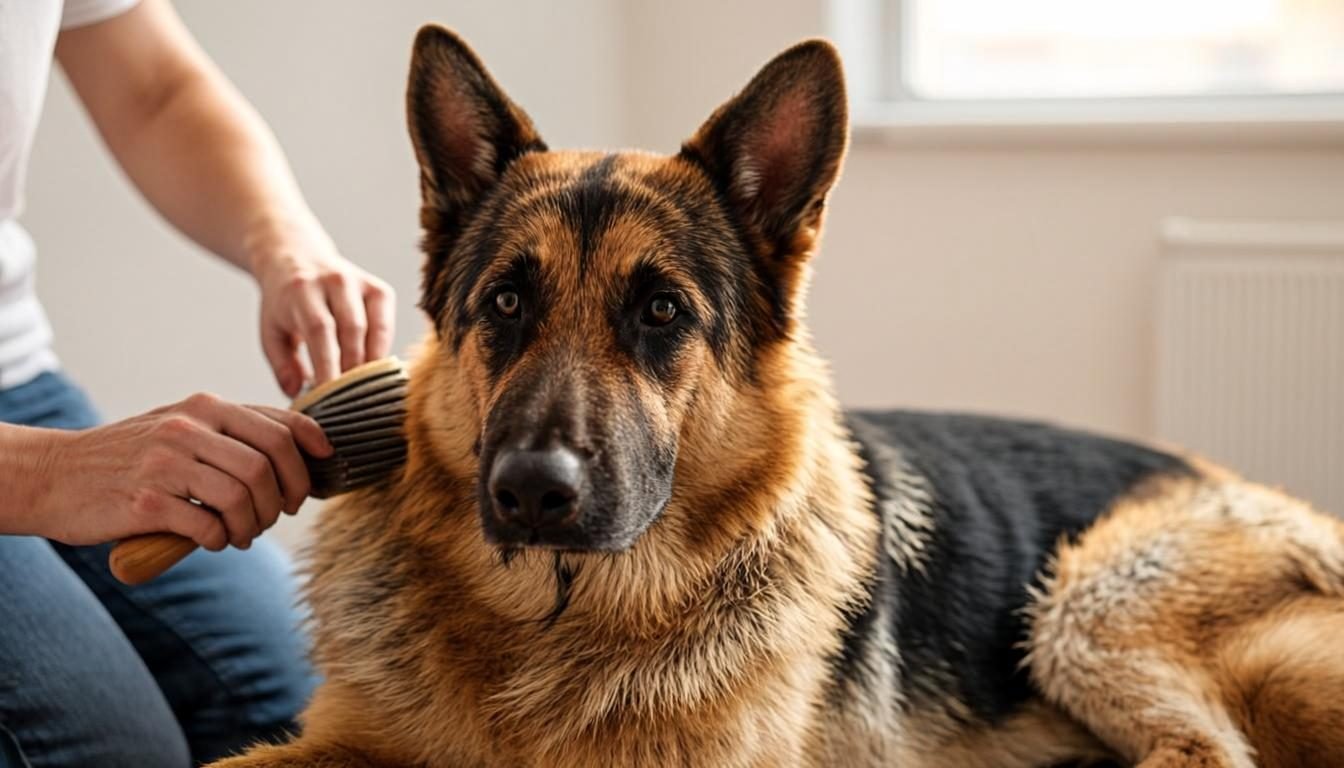
The short coat of a German Shepherd is relatively low-maintenance. Weekly brushing helps remove loose hair and keeps their coat clean and healthy. Additionally, regular nail trims, ear cleaning, and dental care should be part of their grooming routine.
Health Screenings
Regular veterinary check-ups and health screenings are crucial to detect any potential health issues early on. This may include screenings for hip and elbow dysplasia, degenerative myelopathy, and other conditions that can affect the breed.
Shedding, Grooming Myths and the Allergy Question
Let us kill the biggest myth first: short hair does not mean less shedding. The short-haired German Shepherd sheds year-round and blows the undercoat twice a year like every other German Shepherd. The difference is that the shed hair is shorter, easier to lift from furniture and far less likely to felt into carpets, which most owners find genuinely easier to live with.
The grooming routine is the simplest in the breed. A fifteen-minute brush once or twice a week with a curry comb or undercoat rake keeps the coat glossy, and baths are rarely needed more than every couple of months. There is no trimming, no matting behind the ears and no post-walk snowballs clinging to feathers – the coat dries in minutes.
Allergies deserve an honest answer: no German Shepherd, short-haired or long, is hypoallergenic. Dander, not hair length, drives most allergic reactions. Spend real time with the breed before buying if allergies are a concern, and keep the bedroom a dog-free zone so reactions have a safe space to settle.
Is a Short-Haired German Shepherd Right for You?
Choose the short-haired German Shepherd if you want the full breed package – intelligence, loyalty, working drive and that unmistakable silhouette – with the lowest grooming cost the breed can offer. The coat suits owners who hike, run scent work or train in all weather, because nothing clings to a stock coat for long.
The rest of the responsibility list is unchanged. This is still a German Shepherd: two exercise sessions a day, ongoing training, real companionship and a job for the mind. Families who meet those needs get a phenomenal dog; families who cannot should look at calmer breeds instead of trying to shrink the dog to fit their schedule.
When you start comparing litters, measure every breeder against the written standard and health data on the AKC German Shepherd Dog profile. Short coats appear inside normal litters from working and show lines alike, so prioritize temperament and certified joints over the coat length that caught your eye.
5. Frequently Asked Questions
Q: Are short-haired German Shepherds suitable for families with children?
A: Yes, short-haired German Shepherds can be excellent family dogs when properly trained and socialized. They are generally good with children and can form strong bonds with them.
Q: Do short-haired German Shepherds require a lot of exercise?
A: Yes, short-haired German Shepherds are an active breed and require regular exercise to keep them physically and mentally stimulated. Daily walks, playtime, and engaging activities are essential for their well-being.
Q: Are short-haired German Shepherds prone to shedding?
A: Yes, short-haired German Shepherds do shed. However, their shedding is typically moderate compared to some other breeds. Regular brushing helps manage shedding and keeps their coat in good condition.
Q: Can short-haired German Shepherds adapt to apartment living?
A: While short-haired German Shepherds are adaptable, they thrive best in homes with ample space and opportunities for exercise. If living in an apartment, it’s essential to provide them with regular exercise and mental stimulation.
Q: Do short-haired German Shepherd puppies cost less than long-coated ones?
Usually no. Because the short-haired German Shepherd is the breed standard, most litters are predominantly stock-coated, and price reflects bloodlines, titles and health testing rather than coat length. A working-line puppy with certified parents costs the same whether a long-coated sibling happens to be born in the litter.
Key Takeaways: Short-Haired German Shepherd
The short-haired German Shepherd is the breed standard, not a variant. Same intelligence, same drive, same loyalty – with a stock coat that trims grooming time to minutes a week. Shedding stays real, allergies are not solved by coat length, and the working needs of the short-haired German Shepherd are identical to any line in the breed.
6. Conclusion
Short-haired German Shepherds are truly remarkable companions, combining beauty, intelligence, and loyalty in one magnificent breed. Whether you’re captivated by their stunning appearance or drawn to their versatile working abilities, these dogs have a lot to offer. Remember to provide them with proper training, socialization, and care to ensure they thrive and become cherished members of your family. If you’re ready for a lifelong adventure with a remarkable canine companion, a short-haired German Shepherd may be the perfect addition to your home.
Explore the incredible world of short-haired German Shepherds and experience the joys of sharing your life with one of these extraordinary dogs. Embrace the journey, and you’ll be rewarded with unwavering love, companionship, and endless adventures!