
Is a German Shepherd a Good House Dog? Explore temperament, care, training, and health tips in our guide for prospective owners.
Table of Contents
- Introduction
- 1. Understanding the German Shepherd House Dog Temperament
- 2. Space Requirements for a German Shepherd House Dog
- 3. Exercise Needs of a German Shepherd House Dog
- 4. Training and Socializing Your German Shepherd House Dog
- 5. German Shepherd House Dogs and Family Compatibility
- 6. Health Considerations for a German Shepherd House Dog
- 7. Grooming Your German Shepherd House Dog
- 8. Challenges of a German Shepherd House Dog
- 9. Creating a Safe and Stimulating Environment for Your German Shepherd House Dog
- Conclusion: Is a German Shepherd the Right House Dog for You?
- German Shepherd House Dog FAQ
- German Shepherd House Dog: Key Takeaways
Introduction
The German Shepherd, renowned for its intelligence, loyalty, and versatility, is one of the most popular dog breeds worldwide. But does this athletic, high-energy breed thrive as a house dog? This comprehensive guide explores every facet of owning a German Shepherd in a home environment, from temperament and space requirements to training and health considerations. By the end, you’ll have a clear answer to the question: Is a German Shepherd a good house dog?
1. Understanding the German Shepherd House Dog Temperament
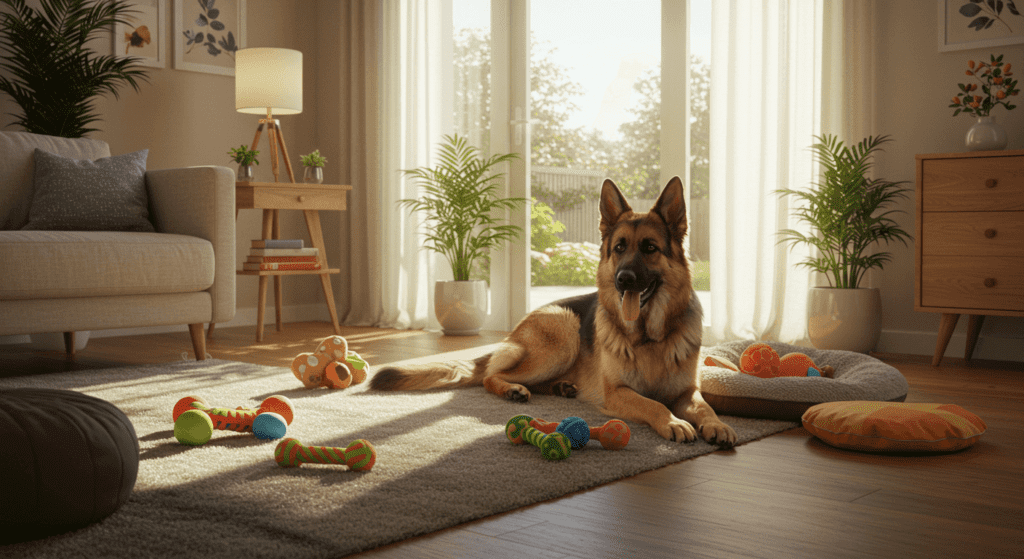
The German Shepherd’s house dog thrives when its instincts are understood and nurtured. Known for their loyalty and protective nature, German Shepherds form deep bonds with families. Their intelligence ranks third among all dog breeds, making them quick learners and adaptable companions. However, their alertness means they may bark at unfamiliar sounds, a trait to consider for apartment living.
Key traits that make them suitable house dogs:
- Loyalty: They’re fiercely devoted to their families.
- Protectiveness: Natural guardians, excel as watchdogs.
- Intelligence: They respond well to training and mental challenges.
American Kennel Club (AKC) on German Shepherd Temperament
2. Space Requirements for a German Shepherd House Dog
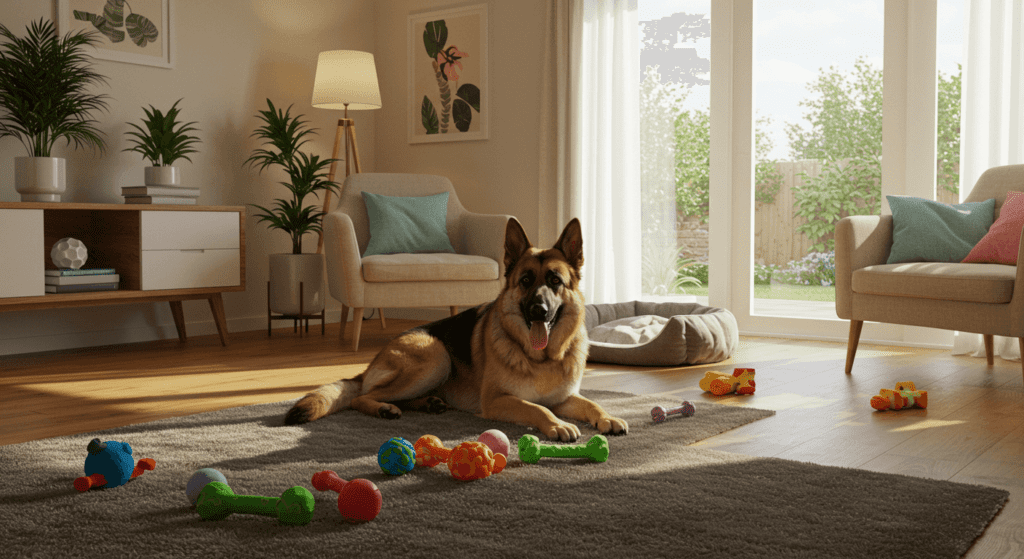
While German Shepherds can adapt to apartments, they flourish in homes with yards. Their large size (50–90 lbs) and energy levels demand ample space for play and exercise. Urban dwellers must commit to daily walks, dog parks, or indoor agility setups.
Tips for small spaces:
- Use puzzle toys to stimulate their minds.
- Establish a dedicated “rest zone” to prevent clutter.
- Prioritize vertical space (e.g., elevated beds).
3. Exercise Needs of a German Shepherd House Dog
A sedentary lifestyle is incompatible with this breed. German Shepherds require 1–2 hours of daily exercise, including:
- Physical activity: Running, fetching, or hiking.
- Mental stimulation: Obedience training, scent work, or interactive toys.
Neglecting exercise can lead to destructive behaviors like chewing or digging. Structured routines, such as morning walks and evening play sessions, help channel their energy positively.
Mix the format, not just the duration. Alternate a long sniffing walk with a short fetch session, add ten minutes of obedience drills, and rotate puzzle feeders on rest days. This variety tires a German Shepherd more effectively than distance alone, and it fits the pockets of time most households actually have on weekdays.
4. Training and Socializing Your German Shepherd House Dog
Early socialization and consistent training are non-negotiable for a well-adjusted German Shepherd house dog. Enroll in puppy classes to curb territorial tendencies and build confidence.
Effective training strategies:
- Positive reinforcement: Reward-based methods using treats or praise.
- Obedience commands: Focus on “sit,” “stay,” and “leave it.”
- Social exposure: Introduce them to diverse environments, people, and pets.
Without proper training, their protective instincts may escalate into aggression.
5. German Shepherd House Dogs and Family Compatibility
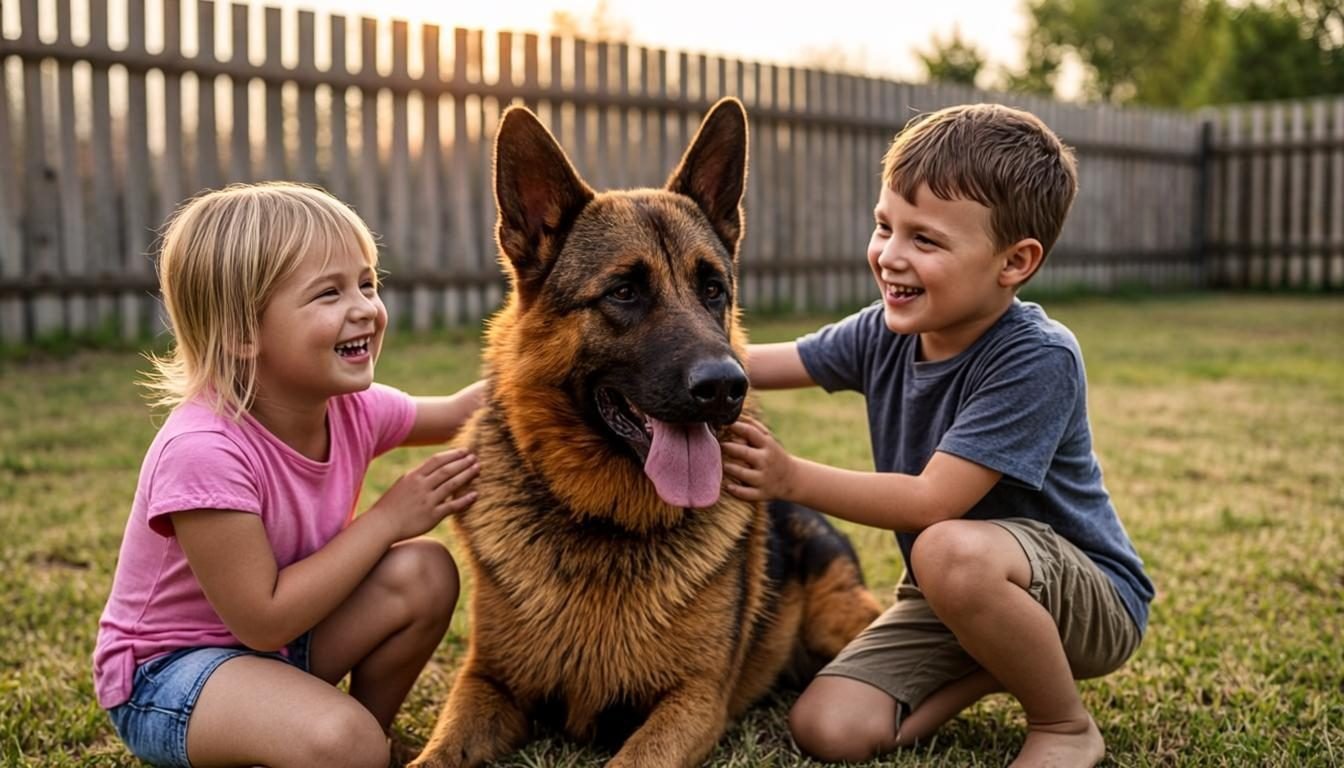
German Shepherds are exceptional family dogs when raised with children. Their patience and playful nature make them ideal companions for kids aged 5+. However, supervision is crucial to prevent accidental knocks due to their size.
Read also: how to choose a German Shepherd puppy
Multi-pet households:
- Introduce them to cats or smaller pets gradually.
- Use baby gates to manage initial interactions.
6. Health Considerations for a German Shepherd House Dog
Proactive healthcare is vital. Common issues include:
- Hip Dysplasia: 20% of German Shepherds develop this joint condition.
- Bloat: A life-threatening stomach condition requiring immediate vet care.
- Degenerative Myelopathy: A progressive spinal disease.
Regular vet check-ups, a balanced diet, and joint supplements (e.g., glucosamine) can mitigate risks.
Orthopedic Foundation for Animals (OFA) Health Statistics
7. Grooming Your German Shepherd House Dog
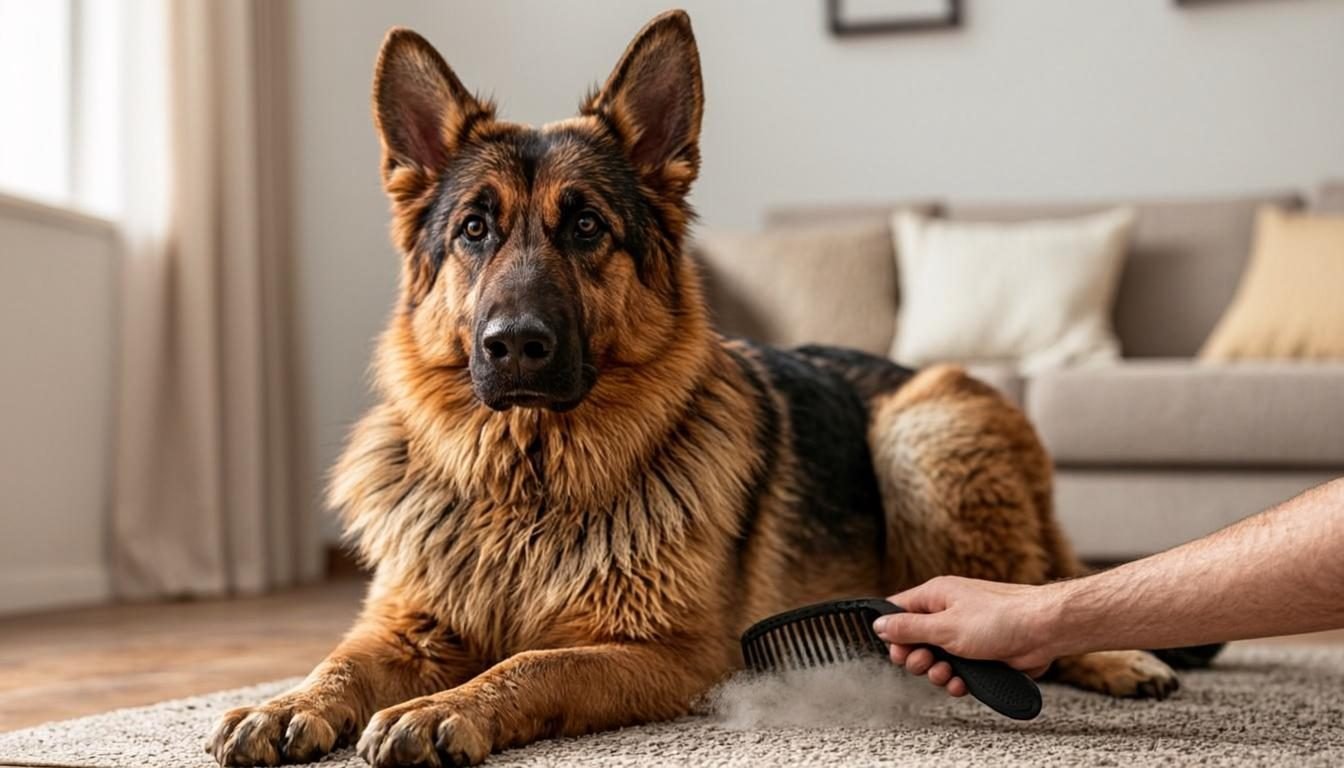
Their double coat sheds year-round, peaking in spring and fall. Weekly brushing and biweekly baths minimize fur buildup. Invest in a high-quality de-shedding tool and vacuum!
Grooming checklist:
- Trim nails monthly.
- Clean ears weekly to prevent infections.
- Brush teeth 2–3 times weekly.
8. Challenges of a German Shepherd House Dog
Potential drawbacks include:
- Shedding: Not ideal for allergy sufferers.
- Barking: May disturb neighbors in close quarters.
- Time commitment: They demand attention and activity.
Mitigate these by establishing routines and providing enrichment.
9. Creating a Safe and Stimulating Environment for Your German Shepherd House Dog
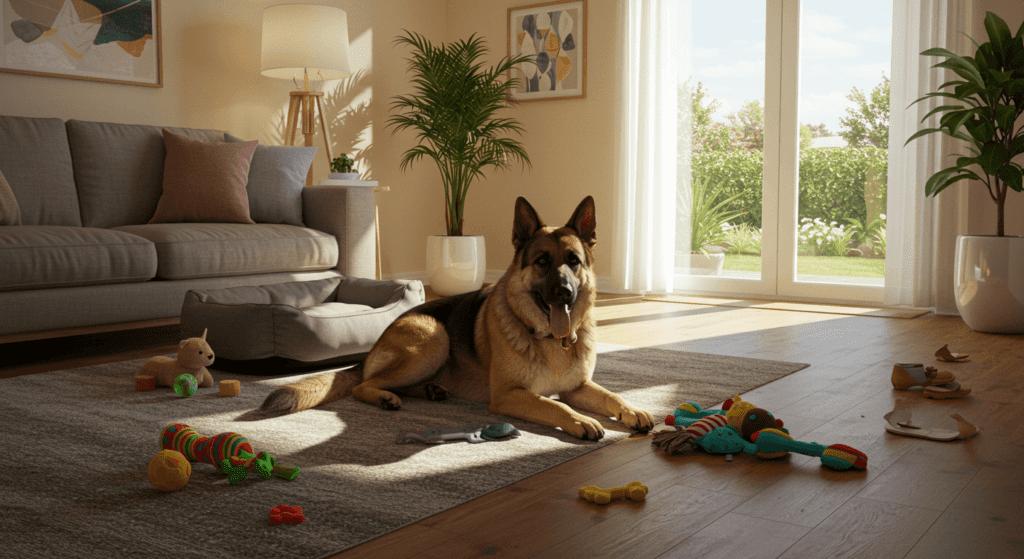
A German Shepherd house dog requires more than just physical space—it needs a secure, enriching environment tailored to its instincts. Start by “dog-proofing” your home: secure loose wires, store toxic substances (e.g., cleaning supplies) out of reach, and use baby gates to restrict access to fragile areas. German Shepherds are curious and may chew objects if bored, so provide durable toys like Kongs or nylon bones.
Read also: 9 German Shepherd challenges: why this breed isn’t for everyone
Enrichment ideas:
- Interactive feeders: Slow down mealtime and engage their problem-solving skills.
- Agility stations: Set up indoor tunnels or low jumps for rainy days.
- Scent games: Hide treats around the house to satisfy their tracking instincts.
For outdoor safety, ensure your yard has a 6-foot fence, as German Shepherds can jump surprisingly high. Avoid leaving them unsupervised near pools or balconies. Temperature control is also critical—their double coat makes them prone to overheating in summer, so provide shade and fresh water.
PetMD: How to Dog-Proof Your Home
Conclusion: Is a German Shepherd the Right House Dog for You?
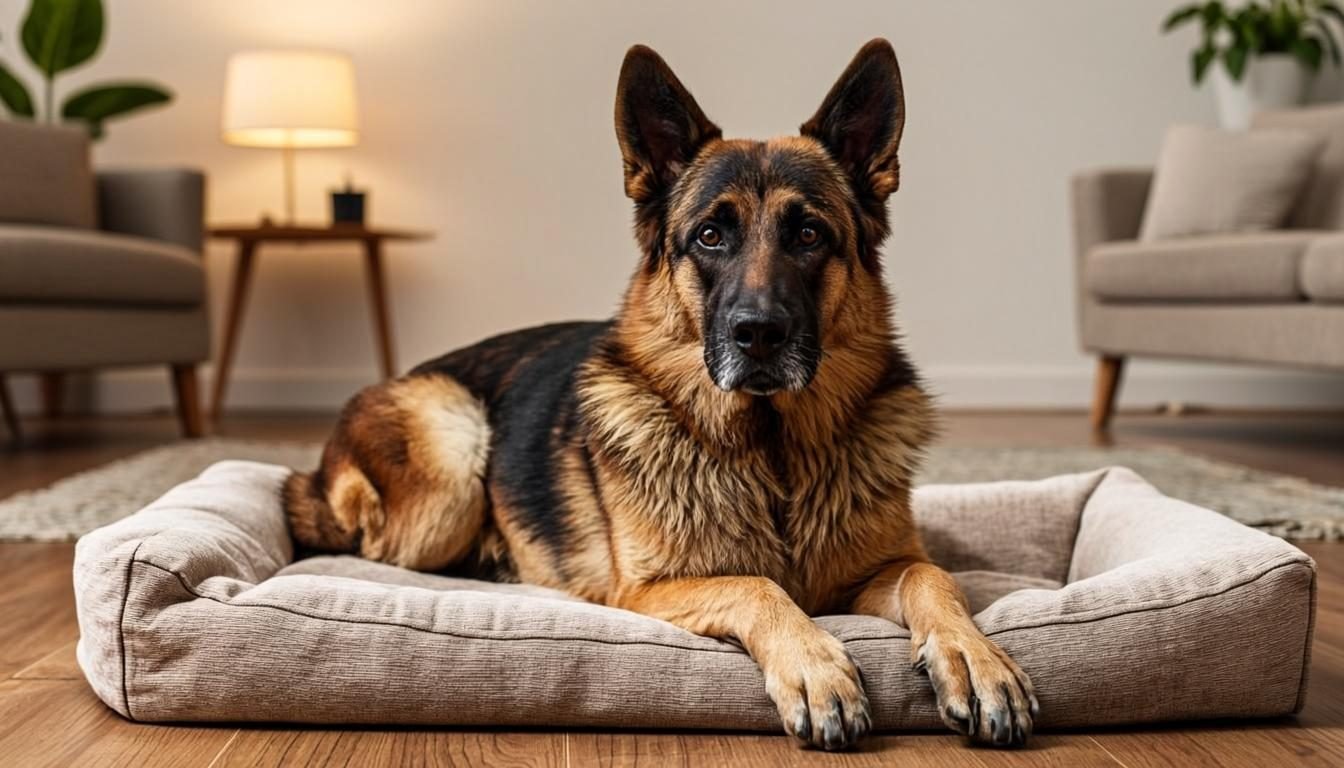
The German Shepherd house dog excels in active, structured households. Their loyalty, intelligence, and adaptability make them superb companions for those willing to meet their physical and emotional needs. However, they’re not suited for sedentary lifestyles or cramped spaces without dedicated exercise plans.
German Shepherd House Dog FAQ
Is a German Shepherd a good house dog for first-time owners?
Yes, with preparation. A first-time owner who commits to training classes, daily exercise, and early socialization can absolutely succeed. The breed’s intelligence works in your favor – Shepherds learn household rules quickly – but the exercise requirement is non-negotiable, so honestly assess your schedule before bringing a puppy home.
How much space does a German Shepherd house dog need?
More vertical than square footage. Shepherds adapt to apartments and large homes alike provided they get 1-2 hours of daily exercise outside. What matters indoors is a dedicated rest zone, cleared walkways, and safe storage of shoes, cables, and trash a bored dog might chew.
Do German Shepherds shed a lot in the house?
Constantly, and twice a year spectacularly. Their double coat sheds year-round, so plan on two to three brushing sessions weekly, a quality vacuum, and washable covers on furniture. Regular grooming keeps loose fur under control and doubles as a bonding routine your dog will learn to enjoy.
Can a German Shepherd stay home alone while you work?
Adult, well-trained Shepherds handle a standard workday, especially with a midday dog walker or a window overlooking the yard. Puppies cannot – their bladders and brains need companionship. Crate training, puzzle toys, and gradual alone-time practice build the tolerance that makes solo hours safe.
Is a male or female German Shepherd better as a house dog?
Females are slightly smaller and often quicker to settle, while males carry more size and drive. Both sexes make excellent house dogs when training and exercise are handled well, so let the individual puppy’s temperament guide the decision more than gender.
What health issues should I screen for before bringing a German Shepherd home?
Ask breeders for hip and elbow evaluations on both parents, and question them about degenerative myelopathy and bloat in their lines. Registration papers prove pedigree, not health, so request the certificates. A responsible breeder welcomes these questions – and a house dog that starts life with well-screened genetics is far cheaper than one built on crossed fingers.
How do I introduce a German Shepherd to a home with cats?
Slowly, and behind barriers at first. Keep the cat separated for the first week, swap scent items, then allow brief leashed meetings with calm praise. Most German Shepherds learn to coexist peacefully, but the prey drive means supervision is permanent policy – separate rooms when you go out until the relationship has months of calm history behind it.
German Shepherd House Dog: Key Takeaways
So, is a German Shepherd a good house dog? For active households that can offer daily exercise, consistent training, and genuine companionship, the answer is a confident yes. The breed’s loyalty, intelligence, and watchfulness turn a house into a guarded, lively home. Skip the exercise, skip the training, or leave the dog alone all week, and the same traits curdle into chewing, barking, and anxiety. Meet the needs on this list and your German Shepherd house dog will repay the effort with a decade of devotion.