
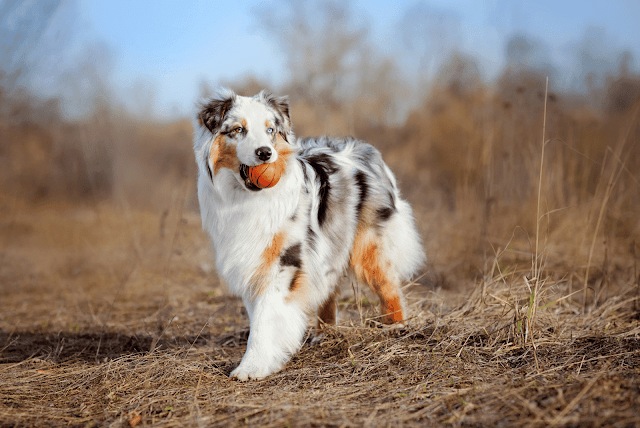
The Australian German Shepherd is a remarkable breed that combines the best qualities of both its parent breeds: the German Shepherd and the Australian Shepherd. With their striking appearance, unmatched intelligence, and unwavering loyalty, Australian German Shepherds have become a popular choice for families, working roles, and dog enthusiasts worldwide.
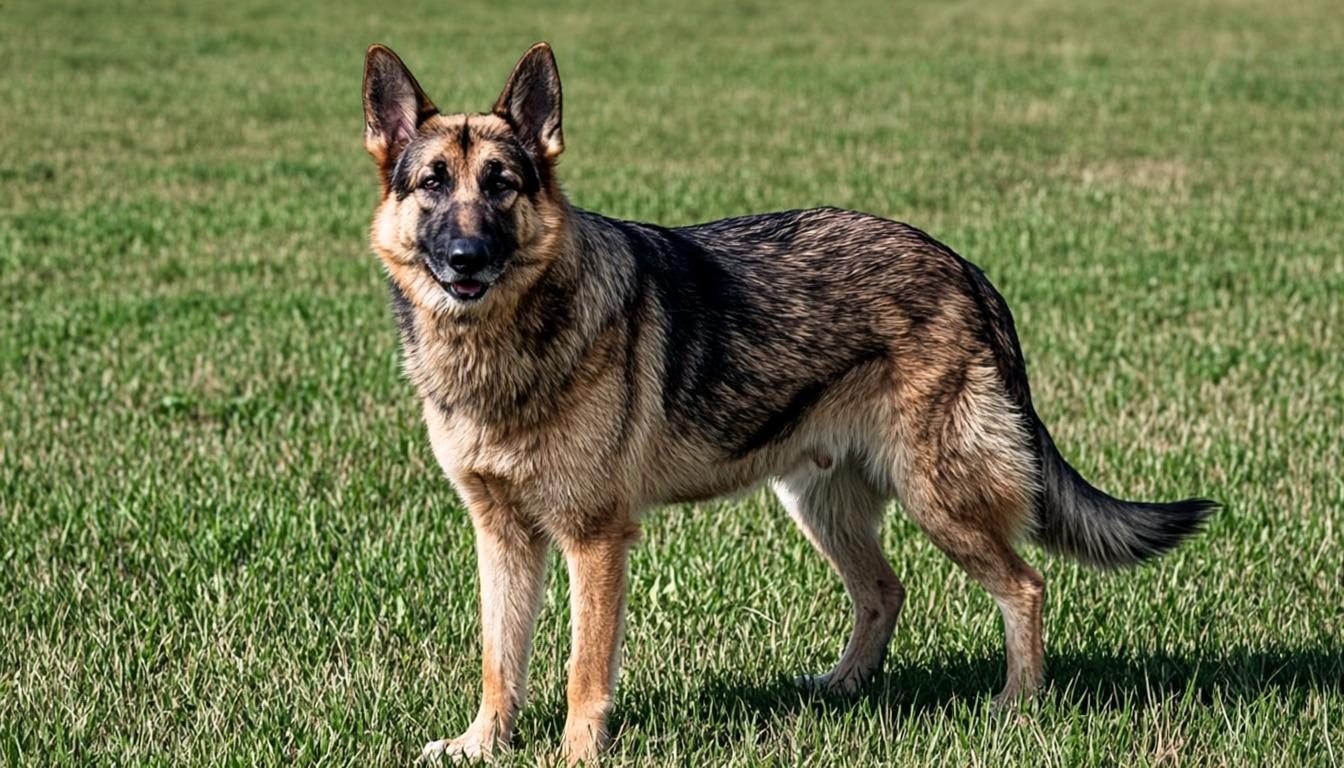
Table of Contents
- Appearance
- Temperament
- Training and Exercise
- Grooming and Care
- Health and Nutrition
- Australian German Shepherd Puppies: What to Expect
- Frequently Asked Questions
- Key Takeaways: Australian German Shepherd at a Glance
- Conclusion
- Australian German Shepherd vs Standard German Shepherd: Key Differences
- Is This Mix Right for Your Household?
Appearance
Coat is where the mix shows its range. An Australian German Shepherd can come out solid black and tan like the German Shepherd parent, blue merle like the Aussie, or anywhere in between, often with the Aussie’s striking blue or mismatched eyes. Most coats are medium length with a dense undercoat, so expect shedding seasons that reward a good vacuum and a weekly brushing routine.
The Australian German Shepherd inherits physical traits from both parent breeds, resulting in a distinctive and visually appealing appearance. These dogs have a well-muscled body, with a strong and proportionate frame. Their ears are typically erect, and their eyes are expressive, showcasing their intelligence and alertness.
One of the notable features of the Australian German Shepherd is their gorgeous coat, which can come in a variety of colors including black, tan, red, or a combination of these. The double coat is dense and weather-resistant, enabling them to adapt to various climates.
Temperament
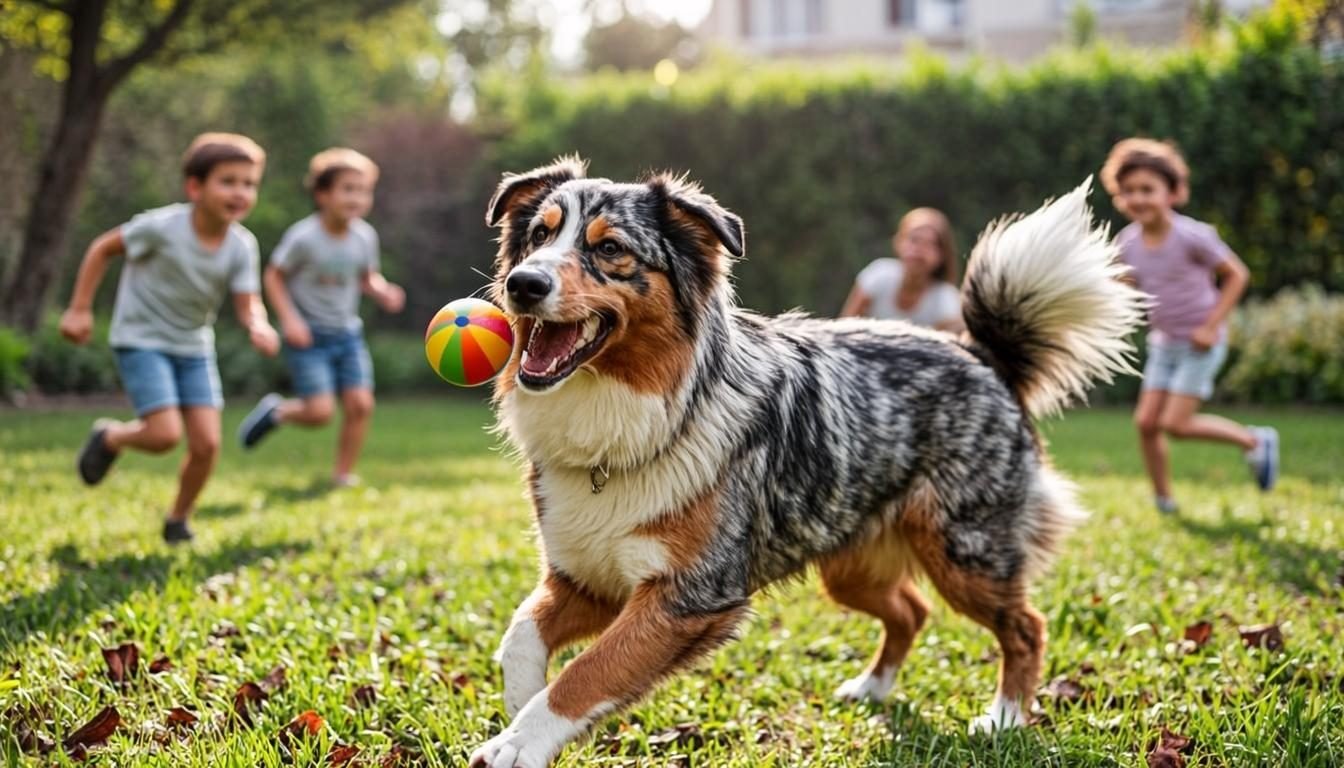
Temperament is the real selling point of the Australian German Shepherd. Both parent breeds were built to work closely with humans, so the mix reads its family well and wants to be included in everything. The trade-off is intensity: an under-stimulated dog invents jobs like herding the kids, re-landscaping the flower beds or barking at every passing bicycle.
Australian German Shepherds possess an exceptional temperament that combines the best qualities of their parent breeds. They are known for their loyalty, protectiveness, and friendly nature. These dogs thrive on human companionship and form strong bonds with their families, making them wonderful and devoted family pets.
With their high intelligence and eagerness to please, Australian German Shepherds are quick learners. They excel in various roles, including search and rescue, therapy work, and as service dogs. Their natural protective instincts also make them excellent watchdogs.
Training and Exercise
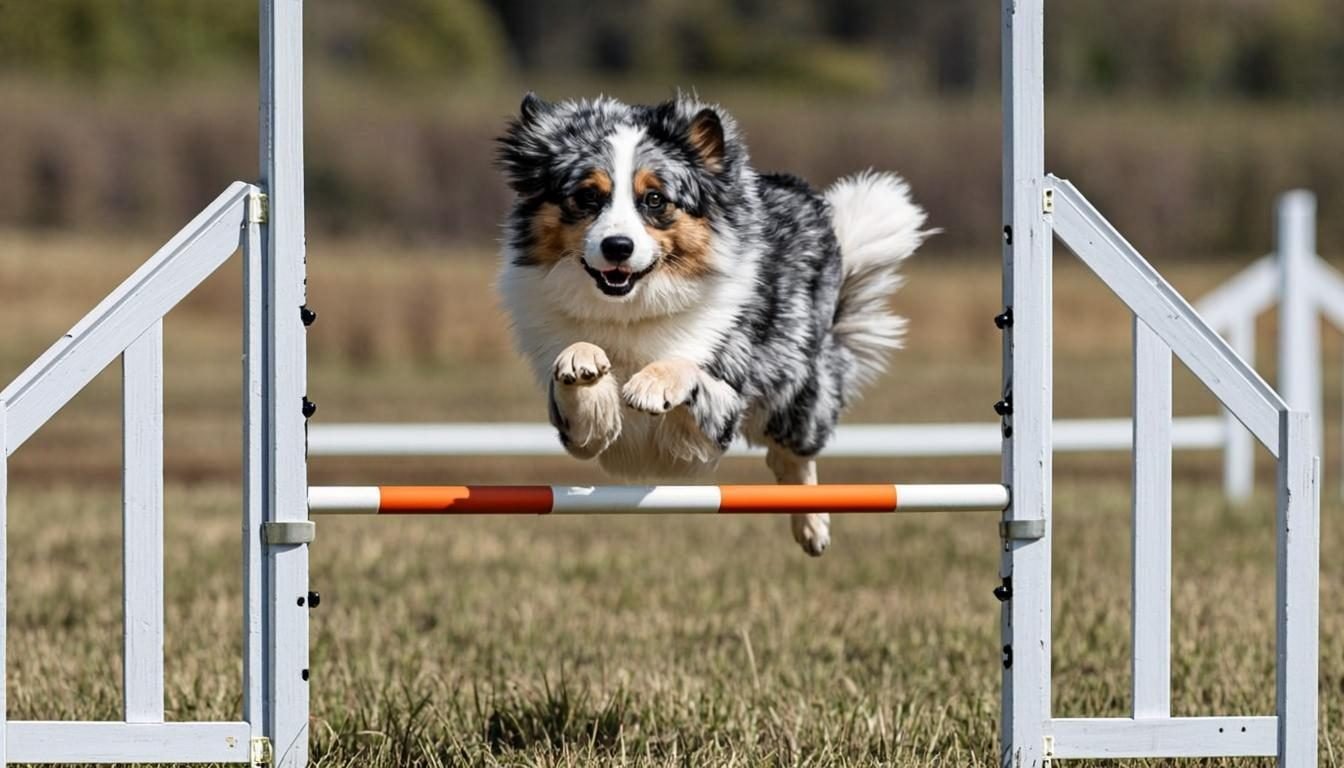
Plan on two solid exercise sessions a day before this cross settles. An Australian German Shepherd that gets a morning run, an evening training block and a puzzle toy between the two becomes a calm housemate; the same dog without that outlet can bounce off the walls. Agility, herding trials, hiking and fetch marathons all land squarely inside this dog’s skill set.
Training is crucial for Australian German Shepherds to ensure they grow into well-behaved and obedient companions. Due to their intelligence and work-oriented background, they require mental and physical stimulation to prevent boredom and destructive behaviors.
Early socialization is essential to expose them to different environments, people, and animals. Positive reinforcement methods, such as rewards and praise, work best with this breed. Consistent training sessions, including obedience commands and mental challenges, will keep them engaged and mentally stimulated.
Exercise is another vital aspect of their care. Australian German Shepherds have abundant energy, and regular exercise sessions are necessary to keep them physically fit and happy. Long walks, jogging, agility training, and interactive play sessions are great ways to fulfill their exercise needs.
Grooming and Care
Grooming stays manageable for a double-coated breed. Brush the Australian German Shepherd two to three times a week, daily during the spring and fall coat blows, and bathe only when the dog is actually dirty. Trim nails monthly, check ears weekly, and brush teeth several times a week – the routine matters more than the tools.
Grooming requirements for Australian German Shepherds are moderate but important to maintain a healthy coat and overall well-being. Their dense double coat requires regular brushing to prevent matting and to remove loose hair.
Bathing should be done as needed, using a dog-specific shampoo to maintain the coat’s natural oils. Additionally, regular dental care, such as brushing their teeth and providing dental chews, helps ensure good oral hygiene.
Regular nail trims, ear cleaning, and periodic health check-ups with a veterinarian are also essential parts of their care routine. Australian German Shepherds are generally a healthy breed, but it’s important to stay vigilant and address any potential health concerns promptly.
Health and Nutrition
Feed a large-breed formula sized to the dog’s actual weight, and keep body condition lean – both parent breeds are prone to hip and elbow dysplasia, and extra weight multiplies the stress on those joints. Ask any breeder of an Australian German Shepherd for hip and elbow evaluations on both parents, plus eye clearances for the Aussie side.
Australian German Shepherds have a life expectancy of around 10 to 13 years. While they are generally a healthy breed, like all dogs, they may be prone to certain health conditions. These can include hip and elbow dysplasia, progressive retinal atrophy, and allergies.
A well-balanced diet is crucial for maintaining their overall health and vitality. High-quality dog food that meets their nutritional needs should be provided, with consideration for their age, activity level, and any specific dietary requirements. It’s always recommended to consult with a veterinarian to determine the best diet for your Australian German Shepherd.
Australian German Shepherd Puppies: What to Expect
Australian German Shepherd puppies are fluffy, fearless and busier than most new owners expect. From eight weeks old they investigate everything, mouth everything and learn everything – good habits and bad ones at exactly the same speed. Puppy-proof the house, stock the chew toys and book a puppy class early, because socialization before sixteen weeks shapes the adult temperament more than anything you do later.
Expect growth to run twelve to eighteen months, with the German Shepherd side often adding height after the Aussie side has finished filling out. Keep growth-plate protection in mind: avoid forced running and repeated stair sprints until maturity, and let free play build the joints instead. A well-bred Australian German Shepherd puppy from tested parents is the cheapest insurance you will ever buy.
Frequently Asked Questions
1. Are Australian German Shepherds suitable for families with children?
Australian German Shepherds can make wonderful family pets and are generally good with children. However, early socialization and proper training are essential to ensure a harmonious relationship between the dog and children. Adult supervision is also necessary, especially with young children, to prevent any accidental mishaps.
2. Do Australian German Shepherds get along with other pets?
With proper socialization, Australian German Shepherds can coexist peacefully with other pets, including dogs and cats. Early introductions and positive experiences can help them develop positive relationships. However, it’s important to monitor their interactions and provide appropriate guidance to ensure a smooth integration.
3. How much exercise do Australian German Shepherds need?
Australian German Shepherds are an active breed and require a significant amount of exercise. They should receive at least one to two hours of physical activity daily. This can include walks, runs, playtime, and mentally stimulating activities to keep them both physically and mentally satisfied.
4. Are Australian German Shepherds suitable for first-time dog owners?
While Australian German Shepherds are intelligent and trainable, they may not be the best choice for first-time dog owners due to their high energy levels and need for consistent training. They thrive with experienced owners who can provide the necessary guidance, structure, and mental stimulation they require.
Key Takeaways: Australian German Shepherd at a Glance
The Australian German Shepherd mixes two of the smartest herding breeds into one athletic, loyal and demanding dog. It suits active households that can offer training, exercise and companionship every single day. Match the energy, demand health-tested parents, and this cross repays the effort for a decade or more.
Conclusion
The Australian German Shepherd is a remarkable and versatile breed that embodies the best qualities of both the German Shepherd and the Australian Shepherd. With their striking appearance, intelligence, loyalty, and adaptability, they are an excellent choice for families, working roles, and dedicated dog enthusiasts.
By understanding their unique needs and providing proper care, training, and socialization, Australian German Shepherd owners can enjoy a fulfilling and long-lasting companionship with these magnificent dogs. Whether as a family pet, a working partner, or a loyal friend, the Australian German Shepherd continues to leave a lasting impression on those fortunate enough to share their lives with them.
Australian German Shepherd vs Standard German Shepherd: Key Differences
Confusion is common here because the “Australian German Shepherd” is not a recognized breed — it is a German Shepherd crossed with an Australian Shepherd, and the blend shifts depending on which parent dominates. The table below shows what experience with both crosses suggests you can expect.
| Trait | German Shepherd (pure) | Australian German Shepherd mix |
|---|---|---|
| Height | 22–26 inches | 18–25 inches |
| Weight | 50–90 pounds | 40–70 pounds |
| Coat | Dense double coat, standard colors | Medium double coat, often merle or red merle patterns |
| Eyes | Standard | Sometimes blue or heterochromatic (one blue eye) |
| Energy | High, sustained | Very high, bursty — herding spikes |
| Herding instinct | Moderate (original purpose) | Strong — nipping heels is common |
| Trainability | Excellent | Excellent, but more distractible |
Two differences deserve emphasis. First, the merle coat pattern, while striking, carries a health warning: two merle-parent puppies (double merles) can be born deaf or with serious eye defects, so ethical breeders never pair two merle dogs — ask about the parents’ colors before committing. Second, the herding instinct from the Australian Shepherd side is stronger than most buyers expect; heel-nipping toddlers and bicyclists is normal behavior that needs redirecting early, and our training guide’s impulse-control sections apply double here.
Is This Mix Right for Your Household?
For the baseline standard, compare profiles published by the AKC German Shepherd Dog breed page and measure any breeder’s claims against it. A serious kennel will welcome the comparison; a seller who bristles at health certificates and pedigree questions has answered your question already.
This cross suits experienced, active owners better than first-time dog owners. It fits households that genuinely enjoy daily training games, have a securely fenced yard for zoomies, and can offer two substantial exercise blocks a day. It fits badly with apartment dwellers who are out ten hours a day, families wanting a low-key couch companion, and anyone unwilling to manage heavy seasonal shedding.
Households with very young children should think carefully about the herding nip and the mix’s tendency to chase running things — manageable with training, but it starts on day one. If your heart is set on the breed’s loyalty and brains with slightly more manageable size, the Australian German Shepherd rewards the work; if you want the classic protector temperament unchanged, the purebred German Shepherd remains the more predictable choice.
More Questions Answered
Do Australian German Shepherds bark a lot?
They can be vocal — both parent lines use their voice for herding and alerting. Teaching a “quiet” cue early and giving the dog a job keeps barking purposeful rather than chronic.
What health issues should I screen for?
Ask breeders for hip and elbow evaluations on both parents (OFA certificates), eye clearances — especially important with merle lines — and a history of epilepsy in either line. Keeping the dog lean through adulthood is the single best owner-side protection against early arthritis.
How do I find a responsible Australian German Shepherd breeder?
Apply the same standards you would for either purebred parent. Visit the breeder in person, meet the mother dog, ask for hip and elbow evaluations on both parents, and confirm that merle-to-merle pairings are never used. A breeder who welcomes these questions and offers a written health guarantee is worth the wait on their list; one who resists them is not. Our guide to finding reputable German Shepherd breeders walks through the full vetting checklist step by step.