
You’re here, so odds are a tiny land shark with needles for teeth has latched onto your arm. I’ve been there—my first GSD, Kaiser, went through a stretch where he’d snag my pant leg every single time I walked by. It’s not aggression. It’s just normal puppy stuff. But if you don’t nip it early, that playful bite can become a real headache when your pup hits 70 pounds. Here is exactly how to train a German Shepherd puppy not to bite, step by step.
German Shepherds are naturally mouthy. They check out the world with their mouths, and that strong prey drive makes moving hands and feet irresistible targets. Here’s the thing: you can train this out of them. It takes consistency, patience, and the right methods—not punishment or yelling. I’ll walk you through exactly what clicked for me and tons of other GSD owners, step by step.
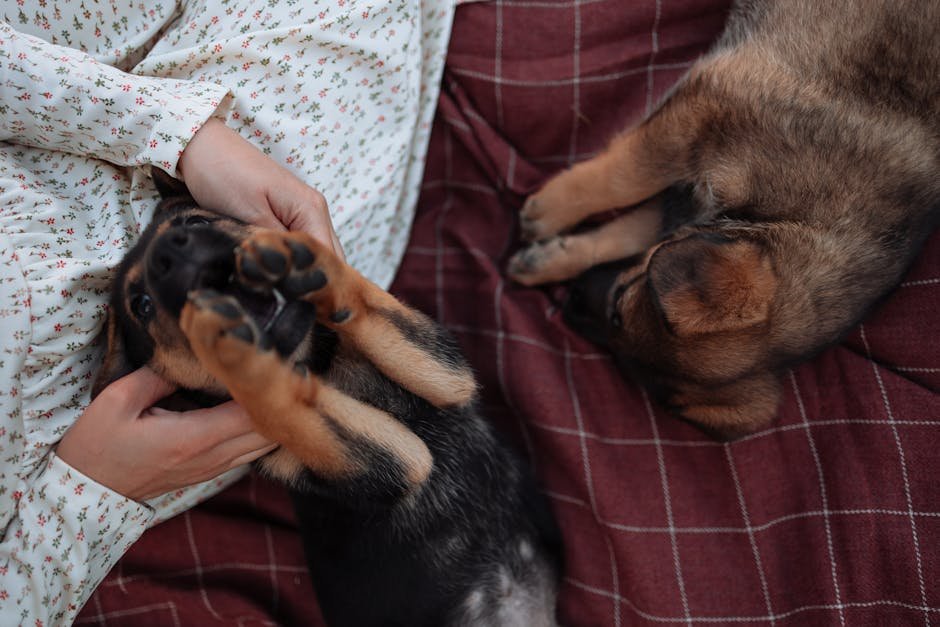
We’ll dig into why puppies bite, how to teach bite inhibition, what to do when they get overexcited, and how to set your pup up for success. By the end, you’ll have a solid plan to turn those needle teeth into gentle mouthing—and eventually, no mouthing at all.
Table of Contents
- Bite Training FAQ
- How to Train a German Shepherd Puppy Not to Bite: Key Takeaways
- Why German Shepherd Puppies Bite (and When It Stops)
- Step 1: Teach Bite Inhibition With the Yelp Method
- Step 2: Redirect Biting to Toys and Chews
- Step 3: Use Time-Outs for Overexcitement
- Step 4: Exercise and Mental Stimulation Every Day
- Step 5: Fix Ankle Biting and Grooming Nips
- Step 6: Stay Consistent as a Family
- Step 7: Avoid These Common Mistakes
Bite Training FAQ
At what age do German Shepherd puppies stop biting?
Most German Shepherd puppies noticeably reduce mouthing between four and six months as bite inhibition sinks in and adult teeth arrive. The flashiest nipping usually fades first, while boundary testing can resurface during the adolescent phase around six to eighteen months. Stay consistent through that phase and the habit stays gone.
Is it OK to play tug-of-war with a GSD puppy?
Yes, with rules. Use a long rope toy so teeth never touch your hands, teach a reliable drop-it cue, and end the game if your puppy grabs before you offer it. Tug burns energy and builds impulse control when the game starts and stops on your terms, not the puppy’s.
When should I worry about puppy biting?
Worry when biting comes with stiff posture, growling over food or resources, or bites that break skin outside of play. Those signs deserve a professional evaluation. For everything else, consistent yelp-and-ignore, redirection, and enough exercise solve the vast majority of nipping within a few weeks.
How to Train a German Shepherd Puppy Not to Bite: Key Takeaways
Learning how to train a German Shepherd puppy not to bite comes down to patience and repetition: yelp and ignore hard bites, redirect to toys, use short time-outs for overexcitement, exercise body and brain daily, and keep every family member on the same page. Do that, and those needle teeth disappear right on schedule.
For more authoritative information, see the American Kennel Club breed standard. Learn more in our guide: Best Dog Food for German Shepherd
Why German Shepherd Puppies Bite (and When It Stops)
Let’s start with the root cause. German Shepherd puppies bite for several interconnected reasons. First, they explore the world with their mouths—just like human babies put everything in their mouths, puppies use their teeth to investigate textures, tastes, and objects. This is especially true for GSDs, which are a highly intelligent and curious breed. Second, teething begins around 3–4 months of age, when their baby teeth start falling out and adult teeth push through.
This process is painful and causes swollen, tender gums. Chewing and biting provide relief, much like a teething ring for a human infant. Third, German Shepherds have an exceptionally strong prey drive, inherited from their herding and working ancestry. Moving objects—your hands, feet, pant legs, or even the hem of a skirt—trigger an instinctive chase-and-grab response.
Your puppy isn’t trying to hurt you; it’s acting on an ingrained impulse. Finally, biting is a critical part of social development. In a litter, puppies learn bite inhibition from their mother and siblings. When one puppy bites another too hard, the victim yelps and stops playing. This teaches the biter to moderate pressure. When you bring your puppy home at 8 weeks, you become their new teacher.
Without that feedback, they don’t learn how hard is too hard. That’s why early, consistent training is essential. If you ignore biting, it can escalate into a serious behavior problem when your puppy grows into a powerful 70-pound adult with jaws capable of exerting over 200 pounds of pressure per square inch. The good news is that with the right approach, you can shape this behavior in just a few weeks.
Step 1: Teach Bite Inhibition With the Yelp Method
Now, let’s dive into the specific techniques. The cornerstone of training is bite inhibition—teaching your puppy to control the force of their bite. This is different from stopping biting altogether. You first teach them to mouth gently, then gradually phase out mouthing entirely. Here’s a step-by-step method that worked for me and countless other GSD owners. Start during calm play sessions.
Let your puppy mouth your hand, but the moment they apply too much pressure—even a little too hard—let out a sharp, high-pitched yelp. This mimics the sound a littermate would make. Immediately after the yelp, stop all interaction. Turn your back, cross your arms, and ignore your puppy completely for 10–15 seconds. Do not make eye contact, speak, or move. This teaches them that biting too hard ends the fun.
After the pause, resume play. Repeat this every single time they bite too hard. Within a few days, most puppies learn to use a softer mouth. Once they consistently mouth gently, you can raise the bar: yelp for any mouthing at all, even gentle pressure. This gradually teaches them to keep their teeth off human skin entirely. It’s important to be consistent across all family members.
If one person allows gentle mouthing while another yelps, your puppy will be confused and the training will take longer. Also, never punish your puppy for biting—no yelling, hitting, or scruff shaking. Punishment increases fear and anxiety, which can lead to defensive aggression. German Shepherds are sensitive dogs that thrive on positive reinforcement. They want to please you, but they need clear, gentle guidance.
Step 2: Redirect Biting to Toys and Chews
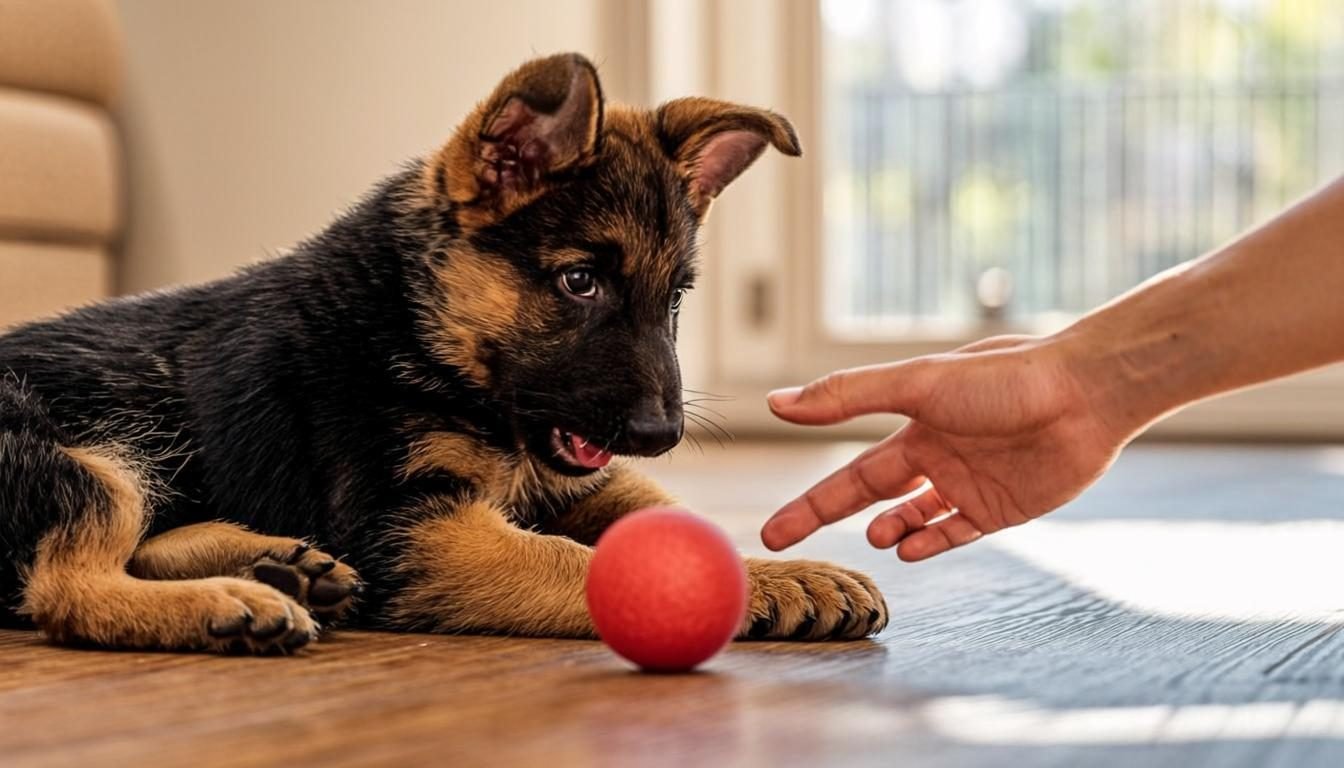
Redirection is another powerful tool. When your puppy bites your hand or clothing, immediately offer an appropriate chew toy instead. Keep a variety of toys within arm’s reach at all times—stuffed Kongs, Nylabone teething rings, rope toys, and rubber chews. The key is to make the toy more appealing than your hand. You can do this by moving the toy enticingly, squeaking it, or even rubbing a bit of peanut butter on it.
When your puppy takes the toy, praise them enthusiastically and give a small treat. This teaches them that biting toys leads to rewards, while biting humans leads to nothing. Over time, they’ll learn to seek out toys when they feel the urge to chew. This is especially important during teething, when the urge to bite is strongest.
I recommend freezing a wet washcloth or a Kong stuffed with plain yogurt and a few kibbles. The cold numbs the gums and provides relief, while the texture satisfies the need to chew. Rotate toys regularly to keep them novel and interesting. A bored puppy is more likely to seek out your hands or furniture. Also, manage your environment to reduce temptation.
Use baby gates to block off areas where your puppy tends to bite, like hallways or near furniture. Keep tempting items like shoes, remote controls, and children’s toys out of reach. If your puppy bites your feet while you walk, stop moving immediately. Freeze in place, then redirect with a toy. Walking away triggers their prey drive and makes the behavior worse. Instead, stand still like a statue until they lose interest, then reward calm behavior.
Step 3: Use Time-Outs for Overexcitement
Time-outs are an effective method for when your puppy is overexcited and won’t stop biting despite redirection. This often happens during peak energy periods—early morning, after meals, or late evening. When your puppy is in a frenzy, biting hard and not responding to yelps or toys, it’s time for a brief time-out.
Calmly and without emotion, pick up your puppy (if they’re small enough) or lead them to a quiet, puppy-proofed area like a bathroom or laundry room. Close the door and leave them alone for 30–60 seconds. Do not scold or talk to them. The time-out should be boring, not scary. After the time, let them out and try a calm activity like gentle petting or a chew toy.
If they immediately start biting again, repeat the time-out. Most puppies learn within a few repetitions that biting leads to isolation, which they dislike. This method works because it removes the reward of your attention. Even negative attention—like yelling or pushing—can be rewarding for a puppy that craves interaction. A calm, consistent time-out teaches them that biting ends all fun.
I’ve used this with my own GSDs and seen remarkable results in just a few days. However, use time-outs sparingly and only for overexcitement, not for every bite. The yelp-and-ignore method should be your primary tool for teaching bite inhibition. Time-outs are for when your puppy is too worked up to learn.
Step 4: Exercise and Mental Stimulation Every Day
Exercise and mental stimulation are critical components of bite prevention. A tired puppy is a well-behaved puppy. German Shepherds are a high-energy working breed that requires significant physical and mental exercise every day. A bored or under-exercised puppy will channel that energy into biting, chewing, and destructive behavior. For an 8–12 week old puppy, aim for 5 minutes of structured exercise per month of age, twice a day.
So a 10-week-old puppy gets about 10–15 minutes of play or walking per session. This might include gentle fetch, tug-of-war with a toy (never with your hands), or short walks on a leash. As they grow, gradually increase the duration. But physical exercise alone isn’t enough. Mental stimulation is equally important and often more tiring. Use puzzle toys, snuffle mats, and treat-dispensing balls to engage their brain.
Short training sessions (5–10 minutes) focusing on basic commands like sit, down, stay, and leave it provide mental workout and reinforce impulse control. A puppy that knows “leave it” is less likely to bite your hand when you’re holding a treat. Socialization with other puppies and friendly adult dogs is also invaluable. Puppy play teaches bite inhibition naturally—when one puppy bites too hard, the other yelps and stops playing. This is the most effective way to teach your GSD to moderate their bite pressure.
Enroll in a reputable puppy class that uses positive reinforcement methods. The class should include supervised play sessions where puppies can interact. Additionally, expose your puppy to different environments, sounds, and people in a controlled, positive way. A well-socialized puppy is more confident and less likely to bite out of fear or anxiety. Remember, a tired, stimulated puppy is less likely to seek out your hands as a chew toy.
Step 5: Fix Ankle Biting and Grooming Nips
Let’s talk about specific scenarios you might face. Ankle biting is one of the most common complaints from GSD owners. Your puppy sees your moving feet as prey to chase and grab. To stop this, avoid walking quickly or running around your puppy. Instead, walk slowly and deliberately. When they start chasing your feet, stop moving immediately. Stand still like a statue. Then, toss a treat or toy a few feet away from you.
This redirects their attention and teaches them that feet are boring. Another trick is to carry a small treat pouch and toss a kibble behind you as you walk. Your puppy will learn to focus on the treat rather than your ankles. If they persist, use a leash indoors to control their movement. Attach a lightweight leash to their collar and step on it when they lunge at your feet.
This prevents them from reaching you without you having to physically restrain them. Over time, they’ll learn that chasing feet is unrewarding. Another common scenario is biting during grooming or handling. German Shepherd puppies often resist having their paws, ears, or mouth touched. This can lead to biting when you try to brush them or trim their nails. To prevent this, start handling exercises early.
Gently touch your puppy’s paws, ears, and mouth while giving them treats. Do this for a few seconds at a time, gradually increasing duration. If they try to bite, stop and redirect to a toy. Never force handling—that creates a negative association. Instead, pair handling with high-value rewards like cheese or chicken. Over time, your puppy will learn that being touched leads to good things, not discomfort. This is especially important for vet visits and grooming appointments.
Step 6: Stay Consistent as a Family
A key part of how to train a German Shepherd puppy not to bite is consistency – it is the single most important factor in training. Every family member must use the same methods and rules. If one person allows gentle mouthing while another yelps, your puppy will be confused and the training will take much longer. Hold a family meeting to agree on the approach. Write down the steps and post them on the refrigerator as a reminder. Also, be consistent with your own reactions. If you’re tired or frustrated, it’s easy to slip and yell or push your puppy away. But that sends mixed signals.
Instead, take a deep breath and follow the protocol: yelp, ignore, redirect, or time-out. Your puppy is learning from every interaction, so every interaction counts. Keep training sessions short and positive. Puppies have short attention spans, so 5–10 minutes of focused training per session is plenty. End each session on a positive note with a successful behavior and a reward.
This keeps your puppy engaged and eager to learn. Remember, training is not a one-time event but an ongoing process. You’ll need to reinforce these lessons for several months, especially during the adolescent phase (6–18 months) when your GSD may test boundaries. Stay patient and consistent, and you’ll raise a well-mannered adult dog.
Step 7: Avoid These Common Mistakes
Finally, let’s address common mistakes to avoid. The biggest mistake is using punishment. Yelling, hitting, or physically restraining your puppy for biting can cause fear, anxiety, and even aggression. German Shepherds are sensitive and remember negative experiences. A puppy that’s punished for biting may learn to hide the behavior or become defensive. Instead, use positive reinforcement and redirection. Another mistake is playing rough games with your hands.
Games like wrestling or letting your puppy mouth your hands teach them that biting humans is acceptable. Always use a toy for interactive play. If your puppy grabs your hand, freeze and redirect to a toy. Never yank your hand away—that triggers their prey drive and makes them bite harder. A third mistake is inconsistent rules. If you allow biting sometimes but not others, your puppy won’t understand the boundary.
Be clear and consistent every time. A fourth mistake is expecting too much too soon. Bite inhibition is a gradual process. Your puppy won’t stop biting overnight. Celebrate small victories, like a softer mouth or a successful redirection. Progress, not perfection, is the goal. Finally, don’t neglect exercise and mental stimulation. A bored puppy is a biting puppy. Make sure your GSD gets enough physical activity, mental challenges, and socialization.
If you’re struggling, consider working with a professional dog trainer who specializes in positive reinforcement. They can provide personalized guidance and help you troubleshoot specific issues. With patience, consistency, and the right methods, you can train your German Shepherd puppy to have a soft mouth and a gentle disposition. The effort you put in now will pay off for years to come.
For more authoritative information, see the American Kennel Club breed standard.
Further reading: Purina’s German Shepherd breed guide.