
The German Shepherd Feeding & Nutrition Guide: specific needs for puppies and seniors, managing digestive sensitivities, and bloat prevention.
The German Shepherd Dog (GSD) is one of the most beloved and versatile breeds in the world, known for its intelligence, loyalty, and impressive athleticism. However, owning a German Shepherd comes with a unique set of responsibilities, especially when it comes to their diet. Because of their large size, rapid growth rate, and predisposition to certain health issues like hip dysplasia and sensitive stomachs, a generic approach to feeding simply won’t suffice. This comprehensive German Shepherd Feeding & Nutrition Guide is designed to provide you with the expert, trustworthy, and practical information you need to fuel your companion for a long, active, and healthy life. From the critical early stages of puppyhood to the specific needs of a senior dog, we cover everything you need to know to optimize your GSD’s diet.
Understanding the German Shepherd’s Unique Nutritional Needs
German Shepherds are classified as a large breed, and this classification dictates much of their dietary requirements. Their nutritional needs are fundamentally different from those of smaller or medium-sized dogs, primarily due to their growth plate development and high energy expenditure. Ignoring these specific needs can lead to serious, lifelong health problems.
The Critical Role of Controlled Growth in Puppies
One of the most crucial aspects of the German Shepherd Feeding & Nutrition Guide is managing the growth phase. GSD puppies grow rapidly, and excessive calorie or calcium intake can lead to orthopedic diseases, most notably Hip and Elbow Dysplasia. These conditions are often genetic, but poor nutrition can exacerbate them significantly. Therefore, a large-breed puppy formula is non-negotiable. These specialized foods are formulated with a lower calorie density and a carefully controlled calcium-to-phosphorus ratio to ensure slow, steady bone growth, which is vital for preventing skeletal issues later in life [1]. The goal is to avoid rapid weight gain, which puts undue stress on developing joints. A slow, controlled growth curve is the hallmark of responsible GSD puppy rearing.
High Energy and Protein Requirements
As a working breed, German Shepherds are naturally active and require a diet that supports their high energy levels. Whether they are working dogs, agility competitors, or simply active family pets, their diet must be rich in high-quality protein and healthy fats. Protein is essential for maintaining their powerful muscle mass, while fats provide a concentrated source of energy and are crucial for a healthy coat and skin. A diet with a protein content between 22% and 26% for adults is generally recommended, with higher levels for highly active or working dogs [2]. The source of the protein is just as important as the quantity; highly digestible animal proteins (chicken, beef, fish, lamb) are superior to plant-based alternatives for muscle maintenance and repair.
Gastrointestinal Sensitivities and Bloat Risk
German Shepherds are unfortunately prone to gastrointestinal issues, including food sensitivities and, most dangerously, Gastric Dilatation-Volvulus (GDV), commonly known as bloat. Bloat is a life-threatening condition where the stomach fills with gas and twists. While the exact cause is unknown, feeding practices play a role. To mitigate this risk, it is essential to feed multiple small meals a day rather than one large one, avoid vigorous exercise an hour before and after meals, and consider using a slow-feeder bowl. Furthermore, many GSDs thrive on diets that exclude common allergens like corn, wheat, and soy, often benefiting from a limited-ingredient or sensitive stomach formula. Their digestive tract is particularly sensitive, and any sudden change in diet can trigger diarrhea or vomiting, underscoring the need for slow, gradual transitions between foods.
The German Shepherd Feeding & Nutrition Guide by Life Stage
A German Shepherd’s nutritional needs change dramatically throughout its life. What is perfect for a rapidly growing puppy can be detrimental to a sedentary senior. Adjusting the diet at each stage is key to lifelong health.
Puppy Nutrition: Building a Strong Foundation
The first year of a German Shepherd’s life is the most critical for skeletal development. Choosing the best dog food for German Shepherd puppies means selecting a formula specifically labeled for “large breed puppies.” This specialized formulation is designed to support their unique growth curve, which extends longer than that of smaller breeds.
Key Nutritional Focus for GSD Puppies:
- Controlled Calcium: Crucial for preventing rapid bone growth that can lead to orthopedic problems. Look for a calcium level between 1.0% and 1.5% on a dry matter basis. The calcium-to-phosphorus ratio should ideally be between 1.1:1 and 1.3:1.
- DHA: An Omega-3 fatty acid vital for brain and vision development, often sourced from fish oil.
- High-Quality Protein: Essential for muscle and tissue development, ensuring lean body mass without excessive fat.
- Calorie Density: Lower than standard puppy food to prevent over-nutrition and too-rapid growth.
The German Shepherd puppy feeding schedule should be structured to support their rapid metabolism and prevent bloat:
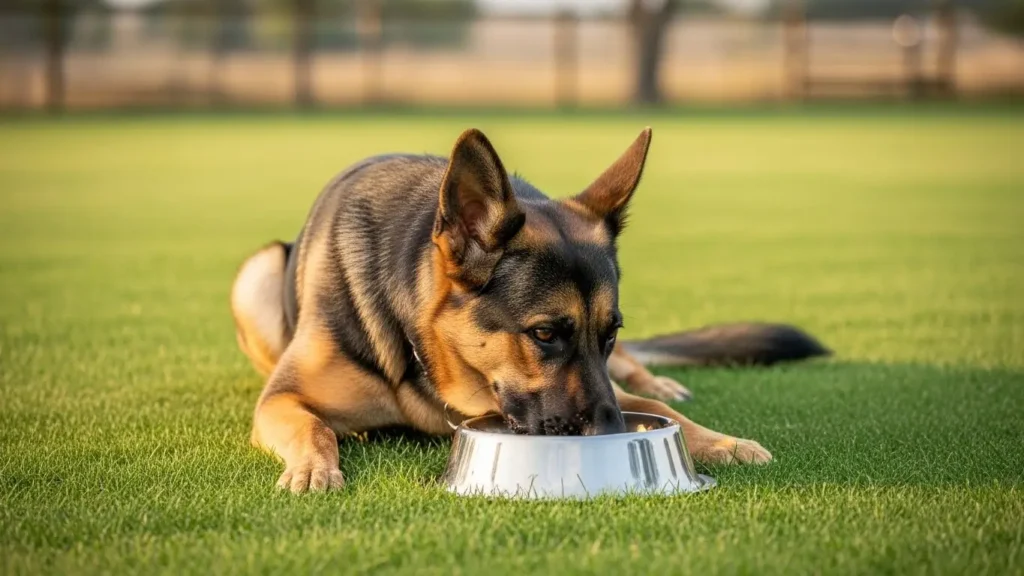
- 8 to 12 Weeks: 4 meals per day. This frequent feeding helps maintain stable blood sugar levels and prevents the stomach from being overfilled.
- 3 to 6 Months: 3 meals per day. As their stomach capacity increases, the frequency can be reduced.
- 6 to 12 Months: 2 meals per day. This prepares them for the adult feeding routine.
The total daily amount will depend on the specific food and the puppy’s weight, but always follow the guidelines on the food packaging and consult your veterinarian. The transition to adult food should occur between 12 and 18 months, depending on the dog’s growth plate closure. A gradual transition over 7-10 days is vital to prevent digestive upset.
Adult Nutrition: Maintenance and Performance
Once your GSD reaches maturity (around 18 months to 7 years), the focus shifts to maintenance and fueling their active lifestyle. The primary goal is to maintain an ideal body condition score (BCS), which is typically a lean, athletic build where you can easily feel, but not see, their ribs. Maintaining this lean condition is the single best way to protect their joints.
The German Shepherd adult dog feeding amount is highly variable. A general guideline suggests 2.5 to 3.5 cups of high-quality dry kibble per day, divided into two meals [3]. However, this must be adjusted based on:
- Activity Level: A working dog or one that runs for hours daily will need significantly more calories than a sedentary house pet. Adjustments can be as high as 50% more food for high-performance dogs.
- Metabolism: Some GSDs have faster metabolisms than others. Regular weight checks are essential.
- Food Type: Calorie density varies greatly between brands and types of food (kibble vs. raw vs. fresh). Always check the caloric content (Kcal/cup) on the packaging.
- Environmental Temperature: Dogs living in cold climates may require slightly more calories to maintain body temperature.
We recommend using a measuring cup and regularly weighing your dog to ensure you are maintaining a healthy weight. Obesity in a German Shepherd puts immense strain on their already vulnerable joints. If your dog is neutered or spayed, their caloric needs may drop by 20-30%, requiring a corresponding reduction in food intake.
Senior Nutrition: Supporting Longevity
Around 7 to 8 years of age, your German Shepherd is considered a senior. Their metabolism slows down, and their activity level often decreases, meaning their caloric needs drop. However, their need for high-quality, easily digestible nutrients increases. The goal is to support organ function and mobility while preventing muscle loss.
The German Shepherd senior dog diet should focus on:
- Lower Calories: To prevent weight gain, which exacerbates arthritis.
- Joint Support: Increased levels of Omega-3 fatty acids, glucosamine, and chondroitin are vital for managing arthritis and joint pain. These should be considered therapeutic rather than just preventative at this stage.
- High-Quality Protein: While calories decrease, protein should remain high (often higher than adult food) to prevent muscle wasting (sarcopenia), which is common in older dogs. Look for highly digestible protein sources.
- Digestibility: Foods that are easy on the stomach and rich in fiber can help with common senior digestive issues like constipation.
- Antioxidants: Increased levels of Vitamin E, Vitamin C, and other antioxidants to support the immune system and combat cellular aging.
Switching to a senior-specific formula or consulting with a veterinary nutritionist is highly recommended during this stage. You may also need to soften kibble with warm water for GSDs with dental issues.
Deep Dive into Diet Types for German Shepherds
The debate over the “best” type of dog food is ongoing. For German Shepherds, the choice often comes down to balancing nutritional completeness, safety, and managing their specific health risks. We will explore the most common feeding methods in detail.
Commercial Dry Kibble (The Standard)
High-quality dry kibble is the most common and often the most convenient and cost-effective way to feed a GSD. Modern kibbles are scientifically formulated to be complete and balanced, meeting all AAFCO (Association of American Feed Control Officials) standards. When choosing kibble, look for:
- A specific meat source (e.g., chicken, lamb, beef) as the first ingredient.
- A food that has undergone feeding trials (AAFCO statement: “Animal feeding tests using AAFCO procedures substantiate that [Product Name] provides complete and balanced nutrition…”). This is the gold standard for pet food safety.
- Avoid generic “meat by-products” and excessive fillers. Focus on whole ingredients.
- Consider a large-breed specific formula, even for adults, as they often contain higher levels of joint-supporting nutrients.
For German Shepherds with sensitive stomachs, a limited-ingredient diet (LID) or a formula with added probiotics and prebiotics can be highly beneficial. LIDs simplify the ingredient list, making it easier to identify and avoid potential allergens.
Commercial Wet, Fresh, and Freeze-Dried Foods
These alternatives offer higher moisture content, which can be beneficial for hydration and palatability, especially for picky eaters or senior dogs. They are generally more expensive than kibble.
- Wet Food: Excellent for hydration and palatability. However, it is often less calorie-dense than kibble, meaning you need to feed a larger volume.
- Fresh Food (Cooked): Delivered frozen or refrigerated, these diets are often highly palatable and use human-grade ingredients. They must still be AAFCO-certified to ensure nutritional completeness.
- Freeze-Dried/Dehydrated: These foods are often raw or gently cooked and then preserved. They are rehydrated with water before serving. They offer the convenience of kibble with the perceived benefits of a less-processed diet.
The Raw Food Diet (BARF)
The raw food diet (Biologically Appropriate Raw Food or Bones and Raw Food) has gained popularity, with many owners reporting benefits like shinier coats, cleaner teeth, and better digestion. However, it is a controversial topic among veterinarians due to the risks of bacterial contamination and nutritional imbalance [4].
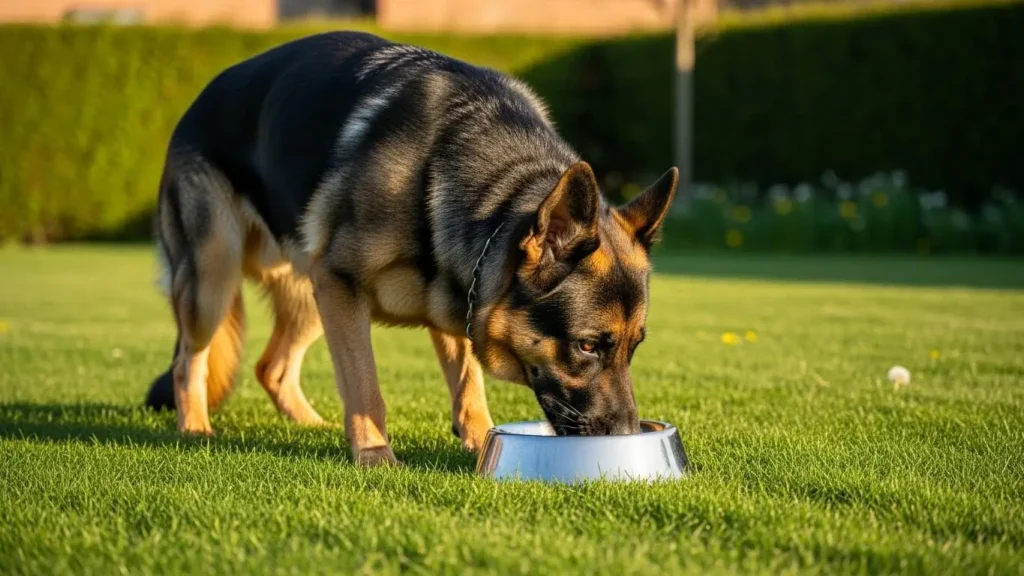
Here is a balanced look at the German Shepherd raw food diet pros and cons:
| Pros of Raw Diet | Cons of Raw Diet |
|---|---|
| Highly digestible, often leading to smaller, firmer stools. | Risk of bacterial contamination (Salmonella, E. coli) for both dog and owner. This risk is significant and requires strict hygiene. |
| May improve coat health and dental hygiene (from chewing raw bones). | Difficulty in achieving a complete and balanced diet, leading to nutritional deficiencies over time, especially calcium and phosphorus imbalances. |
| No artificial additives, fillers, or preservatives. | Risk of choking or internal injury from consuming bones, particularly weight-bearing bones. |
| High moisture content, aiding hydration. | Higher cost and significant time commitment for preparation and sourcing. |
If you choose a raw diet, it is absolutely essential to consult with a board-certified veterinary nutritionist to ensure the diet is complete and balanced, especially for a growing puppy. An unbalanced raw diet can be disastrous for a GSD’s developing skeleton. A properly formulated raw diet should consist of approximately 70% muscle meat, 10% raw edible bone, 10% organ meat (half of which should be liver), and 10% fruits/vegetables.
Home-Cooked Diets and the Need for Supplementation
Home-cooked meals offer the benefit of knowing exactly what your dog is eating, but they carry the same risk of nutritional imbalance as raw diets. Studies have shown that over 90% of home-cooked diets prepared without veterinary guidance are deficient in essential nutrients [5]. Most home-cooked diets prepared without veterinary guidance are deficient in essential minerals like calcium, phosphorus, and trace elements. If you opt for a home-cooked diet, you must work with a veterinary nutritionist to formulate a recipe that meets all AAFCO standards and includes necessary supplements. Never feed your GSD a diet based on human leftovers or guesswork. The most common deficiency is calcium, which can lead to severe skeletal problems in GSDs.
Essential Nutrients and Supplements for GSD Health
Beyond the type of food, understanding the role of specific nutrients and supplements is crucial for managing the breed’s common health concerns. Supplementation should always be discussed with your veterinarian, as over-supplementation can be as harmful as deficiency.
The Power of Omega-3 Fatty Acids
Omega-3 fatty acids, particularly EPA and DHA (found in fish oil), are perhaps the most important supplement for a German Shepherd. They are powerful anti-inflammatories that can significantly benefit dogs with:
- Joint Issues: Reducing inflammation associated with arthritis and hip/elbow dysplasia. Therapeutic doses are often much higher than maintenance doses found in commercial foods.
- Skin and Coat Problems: Improving dryness, itching, and excessive shedding. They are vital for maintaining the GSD’s thick double coat.
- Cognitive Function: Supporting brain health, especially in senior dogs, and aiding in puppy development.
When selecting a fish oil, look for one that is third-party tested for purity and heavy metals, as GSDs are large dogs and will consume a significant amount over their lifetime.
Glucosamine and Chondroitin
These compounds are the building blocks of cartilage and are widely used to support joint health. While their efficacy is debated, many veterinarians recommend them as a preventative measure or as part of a treatment plan for GSDs with joint issues. They work synergistically with Omega-3s to slow the progression of cartilage degradation. The combination of these two, often alongside MSM (Methylsulfonylmethane), forms the core of most German Shepherd joint health supplements.
Probiotics and Prebiotics for Sensitive Stomachs
Due to their predisposition to digestive upset, many German Shepherds benefit from supplements that support gut health. Probiotics are beneficial bacteria that help maintain a healthy balance in the gut, while prebiotics are fibers that feed these bacteria. Including these in the diet can help manage chronic soft stools, gas, and general digestive sensitivity. This is a key component of the German Shepherd sensitive stomach food strategy. A healthy gut microbiome is also linked to a stronger immune system.
Vitamins and Minerals: Zinc and Vitamin E
German Shepherds, particularly those with certain genetic lines, can be prone to **Zinc-Responsive Dermatosis**, a condition where they have difficulty absorbing zinc from their diet. Zinc is crucial for skin, coat, and immune function. Supplementation may be necessary, but only under veterinary guidance, as excessive zinc can interfere with the absorption of other minerals like copper. Similarly, **Vitamin E** is a powerful antioxidant that works with Omega-3s to reduce inflammation and support muscle health, especially in highly active dogs.
Dietary Management of Common GSD Health Issues
The German Shepherd breed is genetically predisposed to several health conditions that can be significantly managed, or even prevented, through careful dietary choices.
Exocrine Pancreatic Insufficiency (EPI)
EPI is a condition where the pancreas fails to produce enough digestive enzymes, leading to severe maldigestion and malabsorption. It is a condition that is disproportionately common in German Shepherds. The primary treatment is the lifelong addition of **pancreatic enzyme supplements** to every meal. The diet itself should be highly digestible, low in fiber, and moderate in fat. The goal is to minimize the work required by the compromised digestive system. Owners must be vigilant for signs like chronic diarrhea, weight loss despite a ravenous appetite, and coprophagia (eating feces).
Food Allergies and Sensitivities
While true food allergies are less common than environmental allergies, GSDs frequently suffer from food sensitivities, which manifest as chronic itching, ear infections, or gastrointestinal upset. The most common culprits are beef, dairy, wheat, and chicken. The gold standard for diagnosis is an **Elimination Diet Trial**, where the dog is fed a novel protein (one they have never eaten before, like venison or duck) and a single carbohydrate source for 8-12 weeks. The diet must be strictly adhered to, and no other treats or foods can be given. Once symptoms resolve, previous ingredients are reintroduced one by one to identify the trigger. This is the foundation of the German Shepherd food allergies management plan.
Managing Weight and Preventing Obesity
As mentioned, obesity is a major threat to the GSD’s joint health. The best strategy for German Shepherd weight management is simple: measure every meal and every treat. Do not “free-feed” (leaving food out all day). If your dog is overweight, reduce their caloric intake by 10-20% and increase their low-impact exercise (like swimming or walking) until they reach their ideal body condition score. Switching to a high-fiber, lower-fat “weight management” or “senior” formula can help them feel full while consuming fewer calories. Remember, a lean GSD is a healthy GSD.
Practical German Shepherd Feeding Schedule and Routine
Consistency and routine are vital for the German Shepherd, both for their mental well-being and their digestive health. Establishing a predictable German Shepherd feeding schedule is non-negotiable.
The Importance of Routine
Dogs thrive on routine. Feeding your GSD at the same time every day helps regulate their digestive system and can reduce anxiety. For adult GSDs, the two-meal-a-day schedule is ideal: one meal in the morning (e.g., 7:00 AM) and one in the evening (e.g., 5:00 PM). This 10-hour gap is long enough to allow for proper digestion but short enough to prevent excessive hunger or bile buildup.
Portion Control and Measuring
Never eyeball your dog’s food. Use a standard measuring cup or, ideally, a kitchen scale to weigh the food. The difference between a “scoop” and a precisely measured cup can be hundreds of calories per day, leading to significant weight gain over a year. The amount to feed should be based on the calorie density of the food and your dog’s ideal weight, not their current weight. Consult the feeding chart on the back of the bag, but remember these are only starting points; adjust based on your dog’s body condition.
Hydration: The Overlooked Nutrient
Water is the most essential nutrient. German Shepherds, especially active ones, require constant access to fresh, clean water. A GSD should drink approximately 1 ounce of water per pound of body weight per day. For a 75-pound GSD, this is about 75 ounces, or just over half a gallon. Dehydration can lead to serious health issues. If your GSD is reluctant to drink, consider adding a small amount of low-sodium broth to their water or switching to a high-moisture diet (wet or fresh food).
Common Feeding Mistakes and How to Avoid Them
Even with the best intentions, owners can make mistakes that compromise their GSD’s health. Awareness is the first step to prevention.
Mistake 1: Overfeeding and Obesity
Obesity is an epidemic in dogs and is particularly dangerous for German Shepherds, as the extra weight accelerates joint deterioration. The best strategy for German Shepherd weight management is simple: measure every meal and every treat. Do not “free-feed” (leaving food out all day). If your dog is overweight, reduce their caloric intake by 10-20% and increase their low-impact exercise (like swimming or walking) until they reach their ideal body condition score. The ideal body condition for a GSD is a lean, athletic build.
Mistake 2: Ignoring the Risk of Bloat (GDV)
Bloat is a medical emergency. While not strictly a nutritional issue, feeding practices are a major risk factor. Never feed your GSD one large meal a day. Always divide the daily ration into at least two meals. Avoid raising the food bowl unless specifically instructed by your vet, as this practice has been linked to an increased risk of bloat in some studies [6]. Most importantly, restrict vigorous exercise for at least one hour before and after eating. If your GSD is a fast eater, a slow-feeder bowl is a vital investment.
Mistake 3: Inappropriate Treats and Table Scraps
Treats should make up no more than 10% of your dog’s total daily caloric intake. Table scraps, especially fatty or seasoned human foods, can cause pancreatitis or severe digestive upset. Stick to dog-specific treats and use healthy alternatives like plain cooked vegetables (carrots, green beans) in moderation. Never give cooked bones, as they can splinter and cause internal damage.
Internal Linking Strategy
To provide a seamless experience for our readers and boost our SEO, we will include exactly three internal links to the main site, https://germanshepherdcll.club/, using descriptive anchor text:
If you are interested in learning more about the breed’s temperament and how to manage their high energy, be sure to check out our comprehensive German Shepherd Training and Behavior Guide. Understanding their mental and physical needs is just as important as their diet.
For new owners, the transition from puppy to adult can be challenging. We have a detailed resource on German Shepherd Puppy Care and Socialization that complements this feeding guide perfectly, ensuring you cover all the bases for your new companion.
Finally, maintaining a healthy coat and skin is often a reflection of a good diet. Learn more about the best practices for German Shepherd Grooming and Coat Health to keep your dog looking as good as they feel.

FAQ Section (Rich Snippets)
Here are answers to common questions owners have about the German Shepherd Feeding & Nutrition Guide:
Q: How many times a day should I feed my adult German Shepherd?
A: Most adult German Shepherds should be fed twice a day—once in the morning and once in the evening. This practice helps to regulate their metabolism, maintain steady energy levels, and, most importantly, significantly reduces the risk of bloat (GDV), a life-threatening condition common in the breed.
Q: Is a grain-free diet necessary for my German Shepherd?
A: A grain-free diet is only necessary if your German Shepherd has a diagnosed grain allergy, which is rare. In fact, recent studies have suggested a potential link between grain-free, legume-rich diets and a form of canine heart disease (DCM). It is best to choose a high-quality food that includes grains unless your veterinarian specifically recommends otherwise.
Q: When should I switch my German Shepherd puppy to adult food?
A: German Shepherd puppies should typically transition to an adult or large-breed adult formula between 12 and 18 months of age. Because they are a large breed, their growth plates take longer to close, and keeping them on a large-breed puppy formula for the full 12-18 months ensures controlled growth and protects their developing joints.
Q: What human foods are safe to give my German Shepherd?
A: Safe human foods include plain cooked chicken, lean beef, plain yogurt, carrots, green beans, and small amounts of apple slices (without the core/seeds). Never feed your GSD chocolate, grapes, raisins, onions, garlic, or xylitol (a common artificial sweetener), as these are toxic.
Q: What is Exocrine Pancreatic Insufficiency (EPI) and how is it managed?
A: Exocrine Pancreatic Insufficiency (EPI) is a genetic condition common in German Shepherds where the pancreas does not produce enough digestive enzymes. This leads to severe malabsorption. It is managed by adding powdered pancreatic enzyme supplements to every meal for the dog’s entire life. The food should be highly digestible and low in fiber.
Conclusion: The Path to Optimal GSD Health
The journey to providing optimal nutrition for your German Shepherd is a commitment, but one that pays dividends in health, happiness, and longevity. By understanding their unique needs as a large, active breed, carefully selecting a high-quality diet appropriate for their life stage, and implementing a responsible German Shepherd Feeding & Nutrition Guide, you are taking the most important step in preventative care. Always remember that the best diet is one that keeps your individual dog at a healthy weight, provides a shiny coat, and supports their boundless energy. Consult your veterinarian regularly to ensure your GSD’s diet is meeting their evolving needs.

References
- [1] VCA Hospitals: Nutrition – General Feeding Guidelines for Dogs
- [2] Animal Necessity: The German Shepherd Online Wellness Care Guide
- [3] PetCareRx: Healthy Eating for a German Shepherd
- [4] Bella & Duke: Health issues of German Shepherds and the best food for them
- [5] Wiley Online Library: Food intake and growth of German shepherd puppies
- [6] AKC: How Much Should I Feed My Dog?