


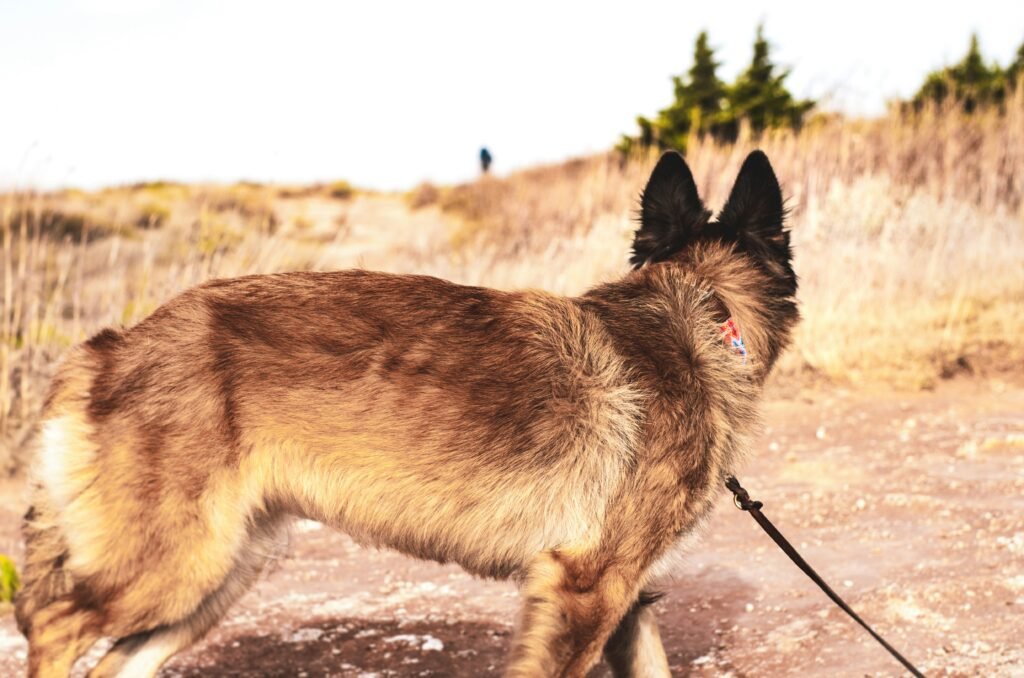
You type “german shepherd dog walker near me” into Google, and you get a list of names. But here’s the thing—not every dog walker is equipped to handle a German Shepherd. I’ve owned GSDs since 2014, and I’ve learned the hard way that a walker who’s great with a Golden Retriever can be completely overwhelmed by a 90-pound working breed with a strong prey drive and a stubborn streak. This guide is built from my own mistakes and successes. I’ll walk you through exactly what to look for, what questions to ask, and how to set your walker (and your dog) up for success. By the end, you’ll know how to find someone who truly understands the breed—not just someone who shows up with a leash.
What is the best way to find a German Shepherd dog walker near me? The best approach combines online searches on platforms like Rover or Wag with in-person interviews. You need someone who has experience with large, high-energy working breeds, understands basic training commands, and can handle potential reactivity or pulling. Always ask for references and do a trial walk before committing.
Disclosure: Some links in this article are affiliate links. We may earn a commission at no extra cost to you. We only recommend products we’ve personally used and trust.
Why German Shepherds Need a Specialized Dog Walker
German Shepherds aren’t your average dog. They were bred to work—herding, protecting, and problem-solving. A 30-minute stroll around the block isn’t enough. They need mental stimulation, structured exercise, and a handler who understands their body language. I remember hiring a walker who seemed perfect on paper. She showed up with a standard leash, took my GSD, Max, for a 20-minute walk, and came back saying he was “a handful.” Max had pulled her the whole way, ignored her commands, and she had no idea how to redirect him. That walk didn’t tire him out—it frustrated him. A good walker for a GSD needs to be confident, calm, and assertive. They should know how to use a front-clip harness or a head halter if needed. They should also be comfortable with the breed’s natural guarding instincts—your walker should not be afraid when your GSD barks at a stranger or another dog. From my experience, the right walker treats the walk as a training session, not just a potty break.
What to Look for in a German Shepherd Dog Walker
Start with breed-specific experience. Ask directly: “How many German Shepherds have you walked?” Look for someone who has worked with GSDs or similar breeds like Belgian Malinois or Dobermans. They should understand that GSDs can be reactive to other dogs, especially if not socialized properly. They should also know that GSDs are prone to hip dysplasia—so no forced running on hard pavement for puppies or seniors. Next, check their training philosophy. A walker who uses only positive reinforcement is ideal, but they also need to be firm enough to set boundaries. I’ve found that walkers who have taken a basic obedience class or have experience with working dogs are far more effective. Finally, look for someone who offers a meet-and-greet. This is non-negotiable. The walker should meet your dog in your home, see how your dog reacts to them, and ask you about your dog’s triggers and routines. If they don’t ask questions, move on.
Red Flags to Watch For
I’ve seen plenty of red flags over the years. One big one is a walker who says they can handle any dog without meeting yours first. That’s arrogance, not expertise. Another red flag is someone who doesn’t carry insurance or is not bonded. If your GSD gets loose or bites another dog, you could be on the hook for thousands of dollars. Also, watch for walkers who use retractable leashes. Retractable leashes are dangerous for any dog, but especially for a strong puller like a GSD. They can snap, cause injuries, and give the dog too much freedom. A good walker uses a standard 4-6 foot leash or a long line for training. Finally, be wary of walkers who offer group walks without assessing your dog’s temperament first. GSDs can be dog-selective, and a bad group walk experience can set back months of training.
How to Vet a Dog Walker for Your German Shepherd
Vetting a walker is like hiring an employee for your dog. Start with a phone interview. Ask about their experience with large breeds, their training methods, and what they do in an emergency. Then schedule a meet-and-greet at your home. During the meet-and-greet, watch how your dog reacts. Does the walker approach calmly? Do they let your dog sniff them first? A good walker will ignore your dog initially and let the dog come to them. After the meet-and-greet, do a trial walk. Walk with them the first time. See how they handle your dog on the leash. Do they correct pulling? Do they reward good behavior? From my experience, a trial walk reveals everything. I once had a walker who seemed great on the phone, but during the trial walk, she let my GSD drag her toward every squirrel. She never once asked him to sit or focus. That walker didn’t get the job.
Questions to Ask Potential Walkers
Here are the questions I always ask, and why they matter:
- “How do you handle a dog that pulls?” A good answer includes techniques like stopping, turning, or using a front-clip harness. A bad answer is “I just let them pull.”
- “What would you do if my dog growled at another dog?” The right answer is to create distance, not to punish the growl. Growling is communication.
- “Are you comfortable with a dog that may bark at strangers?” GSDs are protective. The walker should not be scared or try to force your dog to be friendly.
- “Do you have a backup plan if you’re sick or your car breaks down?” Reliability is key. A professional walker has a backup walker or a clear cancellation policy.
- “Can you provide references from other large-breed owners?” If they can’t, that’s a red flag.
Cost of a German Shepherd Dog Walker
Prices vary widely depending on where you live, but expect to pay more for a GSD than for a small breed. In my area (a mid-sized US city), a 30-minute walk for a GSD runs $20-$30, and a 60-minute walk is $35-$50. Some walkers charge extra for multiple dogs or for walks that require training. If you need daily walks, many walkers offer weekly packages that bring the per-walk cost down. For example, a package of 5 walks per week might be $100-$150. Always ask about cancellation policies and whether they charge for holidays. From my experience, it’s worth paying a little more for someone who truly understands the breed. A bad walker can cause behavioral issues that cost much more to fix.
Comparing Dog Walking Services
Here’s a quick comparison of common options:
| Service Type | Pros | Cons | Typical Cost (per 30-min walk) |
|---|---|---|---|
| Independent walker (local) | Personalized, often more experienced, flexible | May not have backup, harder to vet | $25-$35 |
| App-based (Rover, Wag) | Easy booking, reviews, insurance often included | Less consistency, walker quality varies | $20-$30 |
| Professional pet care company | Bonded, insured, trained staff, backup walkers | More expensive, less personal | $30-$45 |
| Neighbor or friend | Cheap, convenient, your dog knows them | Unreliable, no insurance, may lack experience | $10-$20 (or free) |
Training Your German Shepherd for the Walker
Even the best walker can’t work miracles if your GSD is a maniac on the leash. Before you hand over the leash, invest time in basic training. Teach your dog to walk on a loose leash. Practice “sit” and “stay” at doorways. Work on “leave it” for distractions. I spent two weeks doing focused heel work with my GSD before I hired a walker. It made a huge difference. The walker told me later that my dog was one of the easiest GSDs she’d ever walked—because he knew the basics. If your dog is reactive, consider working with a trainer first. A walker is not a trainer. They can reinforce good habits, but they can’t fix deep-seated issues. For more on training, check out our German Shepherd Aggression Training: 7 Steps That Actually Work guide.
What to Provide for the Walker
Make your walker’s job easier. Leave a clearly labeled leash, a well-fitted harness (I recommend a front-clip harness for GSDs), poop bags, and a towel if it’s rainy. Write down your dog’s commands—”sit,” “down,” “heel,” “leave it”—and any triggers (e.g., “nervous around skateboards”). Also, leave a note about your dog’s favorite treats. Speaking of treats, our guide on Best Treats for German Shepherd: 7 Vet-Approved Picks can help you choose high-value rewards. Finally, make sure your dog has a collar with ID tags and is microchipped. Accidents happen, and a microchip is your best chance of getting your dog back.
Common Mistakes Owners Make
I’ve made almost every mistake in the book. One of the biggest is not being clear about expectations. I once assumed a walker would do basic training during the walk. She didn’t. I should have told her upfront. Another mistake is not checking the walker’s schedule. If your walker is always late or cancels last minute, your dog’s routine suffers. GSDs thrive on routine. A missed walk can lead to pent-up energy and destructive behavior. Also, don’t assume that because a walker has good reviews on an app, they’re good with GSDs. Reviews from small-dog owners don’t translate. Always do your own vetting. Finally, don’t be afraid to switch walkers. If something feels off, trust your gut. Your dog’s well-being is worth more than avoiding an awkward conversation.
Pro Tip: The Trial Period
From my experience, a two-week trial period is ideal. During this time, walk with the walker for the first few walks. Then let them go solo for a few days. Check in with your dog’s behavior—is your dog calmer after walks? Does your dog seem happy to see the walker? If your dog starts showing signs of stress (hiding, excessive panting, changes in appetite), something is wrong. Don’t ignore it. I once had a dog who started dreading walks. I switched walkers, and the problem disappeared. The new walker was more patient and used treats to build trust.
When to Consider Alternatives
Sometimes, a traditional dog walker isn’t the best fit. If your GSD has severe reactivity or anxiety, you might need a professional trainer who offers walk-and-train services. These are more expensive (often $50-$100 per session), but they combine exercise with behavior modification. Another option is doggy daycare. A good daycare can provide structured play and socialization. However, not all daycares accept GSDs, and some may separate them due to breed stereotypes. Visit the facility first and ask how they handle large breeds. For more on health and care, see our German Shepherd Health Problems Guide.
What Worked for Me: A Real-World Example
When I first got my GSD, Koda, I hired a walker from a popular app. She was fine for the first month, but then Koda started pulling harder and ignoring her. I realized she wasn’t reinforcing any training. I switched to an independent walker who had experience with working dogs. She used a front-clip harness, did five minutes of obedience before each walk, and varied the route to keep Koda mentally engaged. The difference was night and day. Koda came back tired and calm, not wired and frustrated. It cost me an extra $10 per walk, but it was worth every penny.
Frequently Asked Questions
How do I find a German Shepherd dog walker near me?
Start by searching on platforms like Rover or Wag, but don’t stop there. Filter for walkers who have experience with large breeds. Read reviews carefully—look for mentions of German Shepherds or similar dogs. Then, do a phone interview and a meet-and-greet. Ask for references from other large-breed owners. Local Facebook groups for GSD owners can also be a goldmine. I’ve found two great walkers through word-of-mouth in breed-specific groups. Finally, always do a trial walk before committing to a regular schedule.
How much does a German Shepherd dog walker cost?
Expect to pay $20-$45 for a 30-minute walk, depending on your location and the walker’s experience. In major cities like New York or San Francisco, prices can be higher—$35-$50 for 30 minutes. Some walkers charge extra for GSDs because of their size and energy. Weekly packages can lower the per-walk cost. For example, a package of 5 walks per week might be $100-$150. Always ask about holiday surcharges and cancellation fees. From my experience, paying a premium for an experienced walker is a smart investment.
What should I look for in a dog walker for my German Shepherd?
Look for breed-specific experience, a calm and confident demeanor, and a training philosophy that aligns with yours. The walker should understand that GSDs need mental stimulation, not just physical exercise. They should know how to handle pulling, reactivity, and guarding behaviors. Check for insurance and bonding. Ask about their emergency plan. A good walker will ask you detailed questions about your dog’s triggers, routines, and commands. They should also be willing to do a trial walk with you present. If they seem rushed or dismissive, move on.
Can a dog walker help with German Shepherd training?
A dog walker can reinforce training, but they are not a substitute for a professional trainer. If your walker uses consistent commands and rewards good behavior, they can help solidify loose-leash walking, sit, and stay. Some walkers offer “walk-and-train” services that combine exercise with structured training sessions. However, if your GSD has serious behavioral issues like aggression or severe reactivity, hire a certified trainer first. Once the basics are solid, a good walker can maintain them. For more on training, see our Ultimate German Shepherd Training & Behavior Guide.
What if my German Shepherd is reactive to other dogs?
Be upfront with potential walkers about your dog’s reactivity. Ask how they would handle encounters with other dogs. A good walker will create distance, use treats to redirect attention, and avoid forcing interactions. They should never punish your dog for growling or lunging. If your dog is highly reactive, consider hiring a walker who specializes in reactive dogs or a professional trainer who offers walk-and-train services. You may also need to walk your dog at off-peak hours to avoid triggers. Patience and consistency are key.
Should I use a retractable leash for my German Shepherd?
No. Retractable leashes are dangerous for any dog, but especially for a strong, powerful breed like a German Shepherd. They can snap under pressure, causing injury to you or your dog. They also give the dog too much freedom, making it harder to control them in an emergency. A GSD on a retractable leash can easily run into traffic or approach an aggressive dog. Use a standard 4-6 foot leash made of nylon or leather. For training, a long line (15-30 feet) can be useful in safe, open areas. Your walker should agree with this approach.
How often should my German Shepherd be walked?
Adult German Shepherds need at least 60-90 minutes of exercise daily, split into two walks. Puppies need shorter, more frequent walks—about 5 minutes per month of age, twice a day. Seniors may need less, but still benefit from gentle walks to maintain joint health. If you can’t provide this yourself, a dog walker can help fill the gap. A 30-minute walk in the middle of the day can make a huge difference in your dog’s behavior. Remember, mental stimulation is just as important as physical exercise. Consider adding puzzle toys or training sessions to your dog’s routine.
What if my German Shepherd doesn’t like the walker?
Trust your dog. If your GSD shows signs of fear or stress—hiding, growling, refusing to go with the walker—listen. Don’t force it. Try a different walker. Sometimes the chemistry just isn’t right. I had a walker who was perfectly qualified, but my dog never warmed up to her. I switched to someone else, and my dog was fine. It’s not personal. Dogs have preferences, just like people. If you’ve tried multiple walkers and your dog still struggles, consider a different approach, like doggy daycare or a walk-and-train program.
Do I need pet insurance for my German Shepherd?
Yes, I strongly recommend pet insurance for German Shepherds. They are prone to health issues like hip dysplasia, elbow dysplasia, and bloat, which can cost thousands to treat. A good policy can save you from financial ruin. Look for a plan that covers accidents, illnesses, and hereditary conditions. Some policies also cover wellness care. For a detailed comparison, see our Best Pet Insurance for German Shepherds in 2026: Complete Breed Guide. Even if you have a walker, insurance is a safety net for unexpected vet bills.
Final Thoughts: Your Next Step
Finding the right “german shepherd dog walker near me” takes effort, but it’s worth it. Start today by searching online and asking for recommendations in local GSD groups. Make a list of three to five candidates. Interview them using the questions above. Do a trial walk. Trust your gut. And remember, a great walker is a partner in your dog’s health and happiness. They’re not just someone who walks your dog—they’re someone who understands your dog. Once you find that person, hold onto them. Leave them good reviews. Tip them well during the holidays. They’re worth their weight in gold.
About the author: I’ve owned and trained German Shepherds since 2014. I’m not a veterinarian or certified trainer, but I’ve learned through years of hands-on experience, vet visits, and training classes. This article is for informational purposes only. Always consult your vet or a professional trainer for specific advice.
Last updated: May 2026