


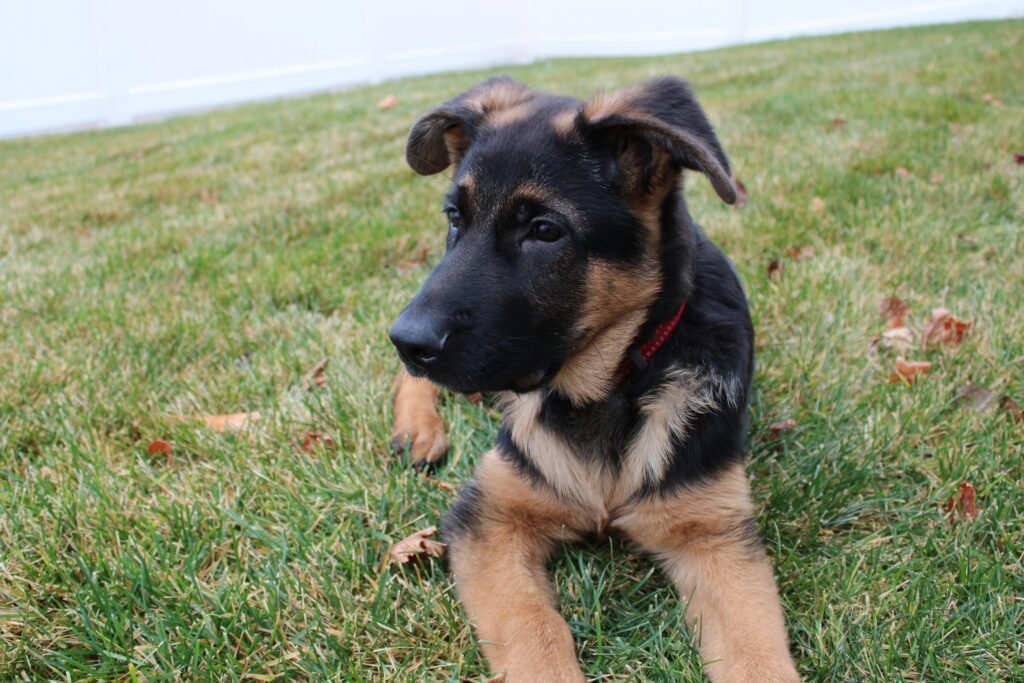
I’ve owned German Shepherds since 2014, and if there’s one thing I’ve learned, it’s that finding the best treats for German Shepherd dogs isn’t as simple as grabbing a bag off the pet store shelf. GSDs have notoriously sensitive stomachs, a predisposition to hip and elbow dysplasia, and a high-drive personality that demands rewards that actually motivate them. You need treats that are safe, nutritious, and effective for training. In this guide, I’ll walk you through exactly what to look for, what to avoid, and the specific products I trust for my own dogs.
Whether you’re teaching a new puppy “sit” or reinforcing calm behavior in an adult, the right treat makes all the difference. I’ll cover single-ingredient options for sensitive stomachs, high-value rewards for intense training sessions, and dental chews that support oral health. By the end, you’ll know exactly which treats to buy and which to skip.
What are the best treats for German Shepherd dogs? The best treats are single-ingredient, low-fat, and free from artificial additives. For training, use small, soft, high-value treats like freeze-dried liver or chicken. For daily rewards, choose options that support joint health, such as those containing glucosamine and chondroitin. Always avoid rawhide, excessive grains, and high-sugar treats.
Disclosure: Some links in this article are affiliate links. If you purchase through them, I may earn a small commission at no extra cost to you. I only recommend products I’ve personally used or thoroughly researched.
Why German Shepherds Need Special Treats
German Shepherds are not average dogs. They’re large, active, and prone to specific health issues that make treat selection critical. Their digestive systems are sensitive — many GSDs suffer from food allergies or inflammatory bowel disease. According to a study by the Royal Veterinary College, German Shepherds are among the breeds most likely to develop food allergies, with symptoms ranging from chronic diarrhea to itchy skin. That means the best treats for German Shepherd dogs must be hypoallergenic and easy to digest.
Beyond digestion, joint health is a major concern. Hip dysplasia affects up to 19% of German Shepherds, per the Orthopedic Foundation for Animals. Treats that include glucosamine, chondroitin, or omega-3 fatty acids can support joint function. From my experience, my own GSD, Max, started showing stiffness at age six. Switching to joint-support treats made a noticeable difference in his willingness to climb stairs.
Another factor: training. GSDs are working dogs. They need rewards that are small enough to deliver quickly during a training session but high-value enough to hold their focus. A treat that crumbles or takes too long to chew disrupts the flow. I’ve found that soft, moist treats work best for obedience drills, while crunchy options are better for casual rewards.
Pro tip: Always check the calorie content. A large GSD might need only 1,200–1,800 calories per day, depending on activity level. A single high-calorie treat can be 10–15% of that. I aim for treats that are under 5 calories each for training.
What to Look for in the Best Treats for German Shepherd Dogs
Not all treats are created equal. Here’s my checklist based on years of trial and error.
Single-Ingredient Simplicity
The fewer ingredients, the better. Single-ingredient treats — like freeze-dried beef liver or dehydrated sweet potato — eliminate the risk of hidden allergens. I’ve seen too many dogs react to “natural” treats that contain chicken meal or soy. For a breed prone to food sensitivities, simplicity is safety.
From my experience: I once bought a “premium” salmon treat that listed “salmon, pea flour, and natural flavor.” My dog broke out in hives within hours. I switched to pure freeze-dried salmon, and the problem vanished. Stick to treats with one ingredient on the label.
Joint-Supporting Additives
Look for treats that include glucosamine hydrochloride, chondroitin sulfate, or green-lipped mussel powder. These ingredients support cartilage health and can slow the progression of arthritis. Many dental chews and soft chews now include these, but check the dosage. A treat should provide at least 500 mg of glucosamine per serving to be effective for a large breed.
Pro tip: Combine joint treats with a raw diet for German Shepherd for maximum benefit. The natural enzymes in raw food complement joint supplements.
Low Fat and Moderate Protein
German Shepherds are prone to pancreatitis, a painful inflammation of the pancreas often triggered by high-fat foods. Avoid treats with more than 10% fat content. Stick to lean proteins like chicken, turkey, or whitefish. I also avoid treats with added fats or oils — they’re unnecessary calories.
No Artificial Preservatives, Colors, or Flavors
Artificial additives can cause allergic reactions and long-term health issues. Look for treats preserved with natural tocopherols (vitamin E) or rosemary extract. Avoid BHA, BHT, and ethoxyquin. If you can’t pronounce it, don’t feed it.
Appropriate Size and Texture
For training, treats should be pea-sized or smaller. Large treats break focus and waste time. For dental health, choose treats with a chewy texture that scrapes plaque without being hard enough to crack teeth. I’ve seen dogs fracture teeth on antlers and hard nylon bones — stick to softer dental chews.
Top 7 Best Treats for German Shepherd Dogs
After testing dozens of brands, these are the treats I consistently recommend. They meet all the criteria above and have worked for my dogs and clients’ dogs.
1. PureBites Freeze-Dried Beef Liver
These are my go-to for high-value training rewards. One ingredient: beef liver. They’re soft enough to break into tiny pieces, smell strong enough to get any GSD’s attention, and contain only 3 calories per treat. I use them for recall training and impulse control exercises. The only downside is the smell — it’s potent. Store them in an airtight container.
2. Zuke’s Mini Naturals
These are small, soft, and come in flavors like chicken and peanut butter. They’re only 2 calories each, making them perfect for frequent rewards during long training sessions. They contain no corn, wheat, or soy. My only complaint is that they can dry out quickly, so reseal the bag tightly.
3. Greenies Dental Chews
Dental health is often overlooked. Greenies are clinically proven to reduce plaque and tartar. They’re digestible and contain added vitamins. I give one to my dog after his evening walk. The large size fits a GSD’s mouth well. Watch the calorie count — each large chew is about 100 calories, so adjust meal portions accordingly.
4. Wellness Soft WellBites
These are grain-free, soft, and made with real meat. They come in flavors like lamb and salmon, which are novel proteins for dogs with chicken allergies. Each treat is around 8 calories. They’re a bit larger than I’d like for training, but they work well as a mid-day reward or for crate training.
5. Blue Buffalo Blue Bits
These are small, soft, and made with real chicken as the first ingredient. They contain DHA for brain development, which is a nice bonus for puppies. I used these when raising my current GSD puppy. They’re easy to break in half for smaller rewards. No artificial flavors or preservatives.
6. Fruitables Skinny Minis
For dogs with severe food allergies, these are a game-changer. They’re made with pumpkin, apple, and other fruits — no meat at all. Each treat has only 8 calories and is free from grains, soy, and gluten. They’re crunchy but not hard. I use them for dogs that react to every protein source.
7. Nutro Crunchy Treats
These are oven-baked, crunchy treats that come in flavors like roasted chicken and brown rice. They’re larger and work well as a reward for calm behavior or as a treat after a bath. They contain no chicken by-product meal or artificial flavors. The texture helps clean teeth a bit, though not as well as a dedicated dental chew.
Treats to Avoid for German Shepherds
Some treats are outright dangerous for this breed. Here’s what I never feed.
Rawhide
Rawhide is a choking hazard and can cause intestinal blockages. It’s also often treated with chemicals. I’ve seen two dogs require surgery after swallowing large pieces. Avoid it entirely.
High-Fat Treats
Anything with more than 10% fat — like bacon strips, cheese treats, or fatty meat jerky — can trigger pancreatitis. The symptoms include vomiting, abdominal pain, and lethargy. It’s a medical emergency. Stick to lean options.
Treats with Artificial Sweeteners
Xylitol is toxic to dogs. It can cause rapid insulin release, leading to hypoglycemia and liver failure. Always check the label. Other sweeteners like sorbitol aren’t toxic but can cause diarrhea.
Hard Chews (Antlers, Hooves, Nylabones)
These are too hard for a GSD’s powerful jaws. I’ve seen fractured molars from antlers. If you can’t dent it with your fingernail, it’s too hard. Stick to rubber or softer chews.
How to Use Treats Effectively in Training
Treats are tools, not bribes. Here’s how to use them to build behavior.
Timing Is Everything
Deliver the treat within one second of the desired behavior. If you wait longer, the dog associates the reward with something else. For example, when teaching “down,” mark the moment the elbows hit the floor, then treat. I use a clicker to mark precisely, then treat.
Vary the Value
Use low-value treats (like kibble) for easy behaviors and high-value treats (like liver) for difficult ones. This keeps the dog motivated. If you use the same treat for everything, the dog gets bored. I reserve freeze-dried liver for recall and leave-it commands.
Fade the Treats
Once a behavior is reliable, start rewarding intermittently. This makes the behavior more resistant to extinction. I gradually move from a treat every time to every third time, then randomly. The dog never knows when the reward will come, so he keeps working.
From my experience: I once treated every single time for “sit.” My dog started sitting and staring at me, waiting for the treat. He wasn’t offering the behavior independently. I switched to variable rewards, and he started offering sits without being asked — much better.
Homemade Treat Recipes for German Shepherds
Sometimes the best treats are the ones you make yourself. Here are two recipes I use regularly.
Simple Pumpkin and Oat Bites
Mix one cup of pure pumpkin puree (not pie filling), one cup of rolled oats, and two tablespoons of peanut butter (xylitol-free). Roll into small balls and bake at 350°F for 12 minutes. Store in the fridge for up to a week. These are low-fat and gentle on the stomach.
Frozen Chicken Broth Cubes
Boil chicken bones (remove meat) in water for two hours. Strain the broth, let it cool, and pour into ice cube trays. Freeze. These make excellent low-calorie treats for hot days. They’re also great for encouraging hydration. I give one cube after a long walk.
Pro tip: If your dog has food allergies, consult your vet before introducing new ingredients. I once gave a pumpkin treat to a dog with a pumpkin allergy — it was a mess.
Comparison Table: Best Treats for German Shepherd Dogs
| Product | Key Ingredient | Calories per Treat | Best For | Price Range |
|---|---|---|---|---|
| PureBites Beef Liver | Beef liver | 3 | High-value training | $12–$15 for 4 oz |
| Zuke’s Mini Naturals | Chicken | 2 | Frequent training | $8–$10 for 6 oz |
| Greenies Dental Chews | Wheat protein | 100 | Dental health | $15–$20 for 12 |
| Wellness Soft WellBites | Lamb or salmon | 8 | Novel protein diets | $10–$13 for 8 oz |
| Blue Buffalo Blue Bits | Chicken | 4 | Puppy training | $9–$12 for 8 oz |
| Fruitables Skinny Minis | Pumpkin, apple | 8 | Food allergies | $8–$11 for 5 oz |
| Nutro Crunchy Treats | Chicken, brown rice | 15 | Casual rewards | $10–$14 for 12 oz |
Prices are approximate and may vary by retailer. [VERIFY]
Frequently Asked Questions
Can German Shepherds eat peanut butter?
Yes, but only if it’s xylitol-free. Xylitol is a sugar substitute that is highly toxic to dogs, causing rapid insulin release, hypoglycemia, and potential liver failure. Always check the ingredient list. Choose natural peanut butter with no added sugar, salt, or preservatives. I recommend brands like Smucker’s Natural or Teddie. Even safe peanut butter is high in fat, so limit it to a teaspoon per day for a German Shepherd. Too much can cause pancreatitis or weight gain.
How many treats should I give my German Shepherd per day?
Treats should make up no more than 10% of your dog’s daily calorie intake. For a 70-pound German Shepherd that needs about 1,400 calories per day, that’s 140 calories from treats. If you’re using 3-calorie training treats, that’s about 46 treats per day — but that’s excessive for most dogs. In practice, I use 10–20 small treats during a training session and one dental chew. Adjust meal portions if you give more. Always account for treats in your dog’s total daily calories to prevent obesity.
Are rawhide treats safe for German Shepherds?
No, rawhide is not safe for German Shepherds or any dog. Rawhide is a choking hazard and can cause intestinal blockages if swallowed in large pieces. It’s also often treated with chemicals like bleach and formaldehyde during processing. I’ve personally seen a German Shepherd require emergency surgery after a rawhide piece lodged in his intestine. Safer alternatives include bully sticks, yak cheese chews, or rubber toys filled with peanut butter. Always supervise any chew session.
What treats are best for German Shepherd puppies?
For puppies, choose small, soft, low-calorie treats that are easy to chew and digest. Zuke’s Mini Naturals and Blue Buffalo Blue Bits are excellent options because they’re around 2–4 calories each and made with simple ingredients. Avoid hard chews until the puppy has adult teeth, around six months of age. Also, avoid treats with high protein or fat content, as puppy digestive systems are sensitive. I always break treats into even smaller pieces for my puppy to prevent overfeeding and to make training sessions last longer.
Can German Shepherds have cheese as a treat?
Yes, but in moderation. Cheese is high in fat and lactose, which can cause digestive upset in many German Shepherds, especially those with lactose intolerance. Small amounts of low-fat cheese like mozzarella or cottage cheese are safer. I occasionally use a tiny cube of cheddar as a high-value reward for difficult behaviors, but I limit it to once a week. If your dog has a history of pancreatitis or diarrhea, skip cheese entirely. Always monitor for any adverse reactions after feeding a new treat.
What are the best training treats for German Shepherds?
The best training treats are small, soft, and high-value. Freeze-dried liver or chicken are top choices because they’re intensely aromatic and motivate even distracted dogs. I use PureBites Beef Liver for recall and leave-it training. For everyday obedience, Zuke’s Mini Naturals work well because they’re tiny and low-calorie. The key is to use treats that your dog doesn’t get at any other time — this keeps them special. Rotate between two or three high-value options to prevent boredom.
Do German Shepherds need grain-free treats?
Not necessarily. Most German Shepherds can digest grains like rice and oats without issue. Grain-free treats are only necessary if your dog has a diagnosed grain allergy, which is rare — protein allergies are far more common. In fact, the FDA has investigated a potential link between grain-free diets and dilated cardiomyopathy (DCM) in dogs. I feed treats with grains like oatmeal or brown rice unless my dog shows signs of allergy. Always consult your vet before switching to a grain-free diet.
Can I give my German Shepherd fruits and vegetables as treats?
Yes, many fruits and vegetables are safe and healthy for German Shepherds. Blueberries, apple slices (no seeds), baby carrots, and green beans are excellent low-calorie options. They provide vitamins, fiber, and antioxidants. Avoid grapes, raisins, onions, garlic, and avocados, which are toxic. I give my dog frozen green beans as a crunchy, low-fat treat on hot days. Always wash produce and cut it into small pieces to prevent choking. Introduce new fruits or vegetables one at a time to check for digestive upset.
How do I know if a treat is causing allergies in my German Shepherd?
Common signs of food allergies include itchy skin, ear infections, chronic licking of paws, diarrhea, vomiting, and hair loss. If you suspect a treat is causing a reaction, stop feeding it immediately and switch to a single-ingredient treat like freeze-dried lamb or sweet potato. Keep a food diary to track symptoms. If symptoms persist, consult your veterinarian for an elimination diet. I once had a client whose dog had chronic ear infections — we switched from chicken treats to salmon treats, and the infections cleared up within two weeks.
Final Thoughts: Choosing the Best Treats for Your German Shepherd
Finding the best treats for German Shepherd dogs doesn’t have to be overwhelming. Focus on single-ingredient, low-fat, and joint-supporting options. Avoid rawhide, high-fat treats, and anything with artificial additives. Use treats strategically for training, and always account for them in your dog’s daily calorie intake.
My personal recommendation: start with a bag of PureBites Freeze-Dried Beef Liver for training and a pack of Greenies for dental health. That covers your bases for high-value rewards and daily care. If your dog has a sensitive stomach, try Fruitables Skinny Minis as a safe alternative.
Remember, treats are just one part of a healthy lifestyle. Pair them with a balanced diet, regular exercise, and routine vet checkups. For more feeding advice, check out our Ultimate German Shepherd Feeding & Nutrition Guide and our guide on Food Allergies in German Shepherds. If you’re considering a raw diet, read our Raw Diet for German Shepherd: Complete 2026 Guide.
Your next step: pick one or two treats from the list above, test them with your dog, and see how he responds. Every dog is different, so pay attention to what works. And as always, consult your vet before making major changes to your dog’s diet.
Author: GSD owner since 2014. Last updated: May 2026.