
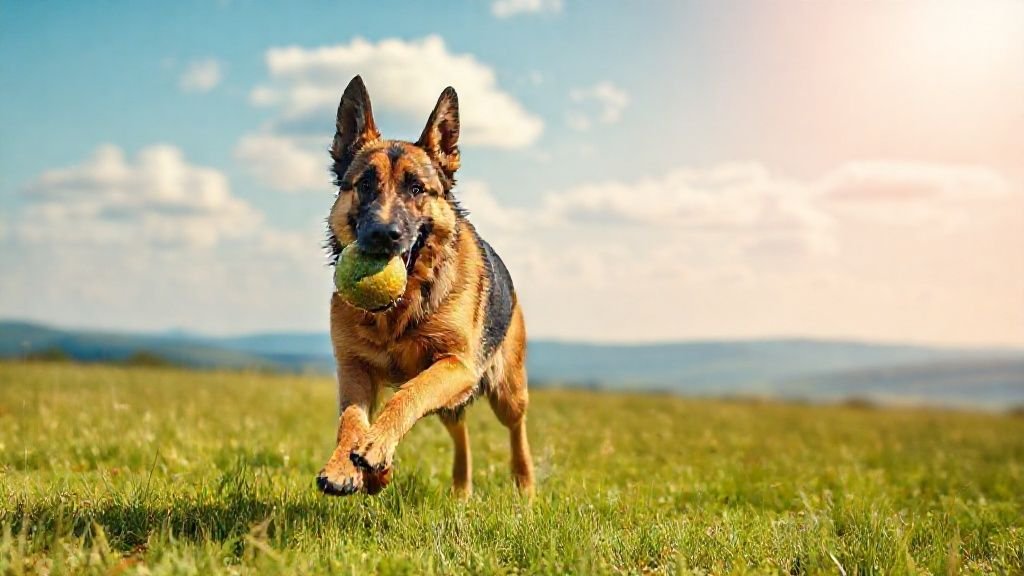
Introduction to German Shepherd Care and Health: Why Proper Care Matters
As one of the most popular breeds of dogs, German Shepherds are renowned for their intelligence, loyalty, and protective nature. However, like all breeds, they are prone to certain health issues that can significantly impact their quality of life. In this comprehensive guide, we will delve into the world of German Shepherd care and health, providing you with expert advice on how to prevent or manage common health issues, and ensure your dog lives a happy, healthy life.
Understanding Common Health Issues in German Shepherds
German Shepherds are susceptible to a range of health issues, including joint problems, digestive issues, and genetic conditions. Some of the most common health problems that affect German Shepherds include:
- Joint issues: German Shepherds are prone to joint issues such as hip and elbow dysplasia, which can cause pain, mobility problems, and arthritis.
- Digestive issues: German Shepherds can be prone to digestive issues such as diarrhea, vomiting, and gas, which can be caused by food allergies or sensitivities.
- Genetic conditions: German Shepherds can be prone to genetic conditions such as degenerative myelopathy, which is a progressive disease that affects the spinal cord and can cause paralysis.
According to Bazoef Petfood, the most common health problems affect the joints, digestive system, and nervous system—but with proper prevention, many risks can be reduced. Regular veterinary check-ups, a balanced diet, and a healthy lifestyle can all contribute to minimizing the risk of these health issues.
The Importance of Regular Exercise for German Shepherds
Regular exercise is essential for German Shepherds to maintain their physical and mental health. Exercise can help to:
- Improve joint health: Regular exercise can help to strengthen the joints and reduce the risk of joint problems.
- Improve digestive health: Exercise can help to improve digestion and reduce the risk of digestive issues.
- Reduce stress: Exercise can help to reduce stress and anxiety in German Shepherds, which can help to prevent behavioral problems.
It is recommended to provide German Shepherds with at least 30 minutes of exercise per day, which can include walks, runs, and playtime in the yard. However, it’s essential to remember that every dog is different, and the exercise needs of your German Shepherd may vary depending on their age, size, and health status.
Providing Proper Nutrition for German Shepherds
Proper nutrition is essential for German Shepherds to maintain their overall health. A balanced diet that includes high-quality protein, complex carbohydrates, and healthy fats can help to:
- Improve joint health: A balanced diet can help to reduce the risk of joint problems by providing the necessary nutrients for joint health.
- Improve digestive health: A balanced diet can help to improve digestion and reduce the risk of digestive issues.
- Support immune function: A balanced diet can help to support immune function and reduce the risk of illness.
It is recommended to feed German Shepherds a high-quality dog food that is formulated to meet their specific nutritional needs. However, it’s also important to remember that every dog is different, and your German Shepherd may have unique nutritional requirements that need to be taken into account.
The Importance of Routine Veterinary Care for German Shepherds
Routine veterinary care is essential for German Shepherds to maintain their health and prevent health issues. Regular check-ups with a veterinarian can help to:
- Detect health issues early: Regular check-ups can help to detect health issues early, which can improve treatment outcomes.
- Prevent health issues: Regular check-ups can help to prevent health issues by providing vaccinations, dental care, and parasite control.
- Provide personalized care: Regular check-ups can help to provide personalized care and advice on how to care for your German Shepherd.
As Sploot Vets recommends, it is highly recommended to stay on top of your German Shepherd’s routine care, which includes yearly or bi-yearly pet wellness exams, up-to-date canine vaccinations, and heartworm preventives. By doing so, you can help to ensure your dog lives a long, healthy life.
The Importance of Training and Grooming for German Shepherds
Training and grooming are essential for German Shepherds to maintain their physical and mental health. Training can help to:
- Improve behavior: Training can help to improve behavior and reduce the risk of behavioral problems.
- Improve socialization: Training can help to improve socialization and reduce the risk of anxiety and fear-based behaviors.
- Strengthen bond: Training can help to strengthen the bond between you and your German Shepherd, which can improve communication and trust.
Grooming can help to:
- Improve coat health: Grooming can help to improve coat health and reduce the risk of skin problems.
- Reduce shedding: Grooming can help to reduce shedding and prevent hair from getting everywhere.
- Improve overall health: Grooming can help to improve overall health by providing an opportunity to inspect for health issues and provide preventative care.
As Best Mate Dog Training suggests, training German Shepherds requires a realistic and honest approach, taking into account their personality traits, temperament, and behavioral problems. With patience, consistency, and positive reinforcement, you can help your German Shepherd become a well-behaved and loyal companion.
Conclusion
In conclusion, German Shepherds are a wonderful breed of dog that can make great companions. However, they do require proper care and attention to maintain their health and well-being. By providing regular exercise, proper nutrition, routine veterinary care, and training and grooming, you can help to prevent or manage health issues and ensure your German Shepherd lives a happy, healthy life.
For more information on German Shepherd care and health, please visit AKC.org. You can also check out our internal guides on German Shepherd Training and German Shepherd Nutrition for more specific advice. Remember, every dog is different, and it’s essential to tailor your approach to your German Shepherd’s unique needs and personality.