
Discover the black and brown German Shepherd: history, genetics, traits, care, and debunked myths. A comprehensive guide to this loyal, intelligent breed.
Introduction: Understanding the Black and Brown German Shepherd
The German Shepherd Dog, a breed renowned for its intelligence, loyalty, and versatility, comes in a variety of coat colors. Among these, the black and brown German Shepherd stands out as a particularly striking and often misunderstood variation. This comprehensive guide delves into every aspect of the black and brown German Shepherd, from its fascinating history and genetic makeup to its distinctive physical traits, temperament, health considerations, and care requirements. We aim to provide a thorough understanding of this magnificent canine, dispelling common myths and highlighting the unique qualities that make the black and brown German Shepherd a cherished companion and capable working dog.
The Enduring Appeal of the Black and Brown German Shepherd
The enduring appeal of the black and brown German Shepherd lies not only in its visually captivating appearance but also in its inherent characteristics that align with the breed’s esteemed reputation. The classic combination of rich black and varying shades of brown or tan creates a striking contrast that is instantly recognizable and admired by dog enthusiasts worldwide. Beyond aesthetics, the black and brown German Shepherd embodies the core traits of the German Shepherd breed: unwavering loyalty, exceptional intelligence, and a strong protective instinct. These qualities, combined with their imposing yet graceful presence, contribute to the widespread popularity and enduring demand for the black and brown German Shepherd as both a family pet and a dedicated working animal. Understanding the nuances of the black and brown German Shepherd is crucial for prospective owners and breed admirers alike, ensuring that these dogs receive the appropriate care and appreciation they deserve.
The Rich History of the Black and Brown German Shepherd
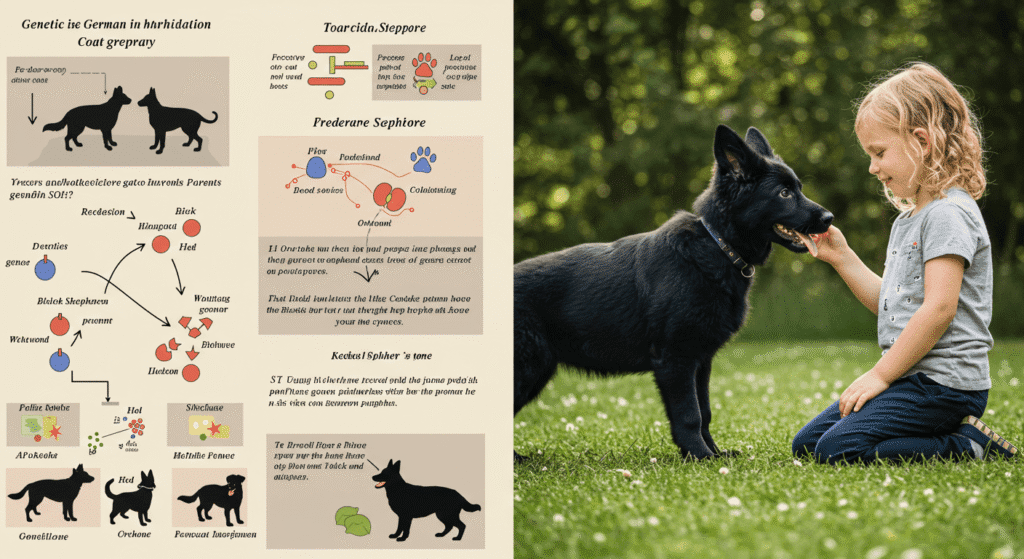
To truly appreciate the black and brown German Shepherd, one must first understand the foundational history of the German Shepherd breed itself. The development of this remarkable canine is a testament to selective breeding aimed at creating the ultimate working dog. The journey of the black and brown German Shepherd is intertwined with this broader narrative, showcasing how specific genetic traits, including coat color, became an integral part of the breed’s evolution.
Origins of the German Shepherd Breed and the Black and Brown German Shepherd
The origins of the German Shepherd breed trace back to late 19th century Germany, where Captain Max von Stephanitz embarked on a mission to create a superior herding dog. His vision was to develop a versatile working dog capable of excelling in various roles, from herding sheep to guarding property and assisting in rescue missions. The foundation of the breed was laid with Hektor Linksrhein, later renamed Horand von Grafrath, who became the first registered German Shepherd Dog. From these early foundational dogs, a diverse range of coat colors emerged, including the distinct black and brown German Shepherd pattern. This coloration was not an anomaly but a natural expression of the breed’s genetic diversity, present from its very inception. The early breeders, while focusing on working capabilities, also observed and documented the various coat patterns, including the prominent black and brown German Shepherd variation, which quickly became a hallmark of the breed.
Evolution of the Black and Brown German Shepherd’s Recognition
The evolution of the black and brown German Shepherd‘s recognition within the breed standard has been a journey marked by both acceptance and occasional shifts in preference. Initially, all color variations that did not impede the dog’s working ability were generally accepted. The black and brown German Shepherd, with its classic saddle markings, quickly became the most iconic representation of the breed. Over time, as breed standards became more formalized, specific color patterns gained prominence in show rings. While solid black German Shepherds and other less common variations existed, the black and brown German Shepherd remained the most widely recognized and preferred coloration for its aesthetic appeal and its association with the breed’s traditional working lines. This enduring recognition has solidified the black and brown German Shepherd‘s place as the quintessential representation of the German Shepherd Dog, a testament to its historical significance and continued popularity. The American Kennel Club (AKC) officially recognized the German Shepherd Dog in 1908, and since then, the black and brown German Shepherd has consistently been a prominent and admired member of the canine world [1].
Unraveling the Genetics of the Black and Brown German Shepherd
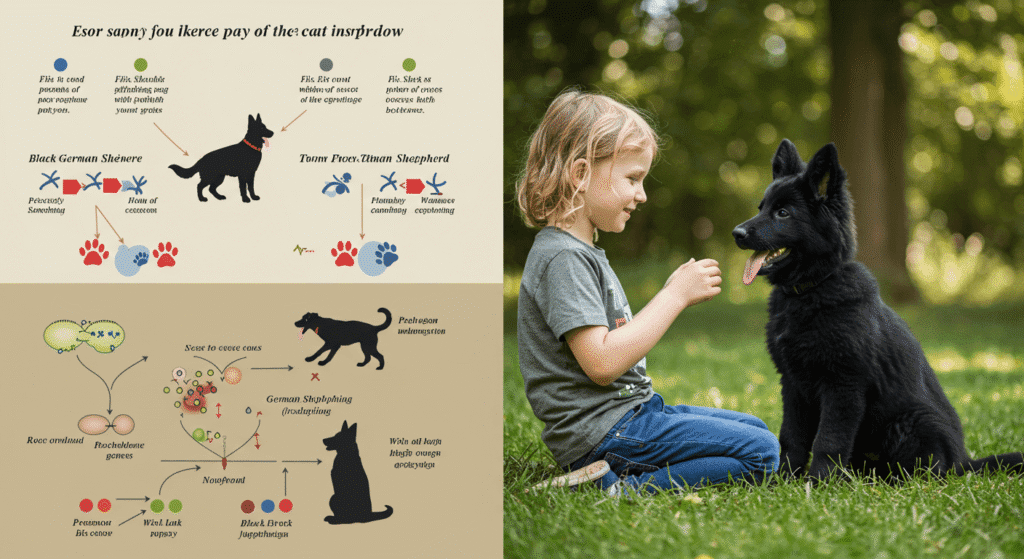
The striking appearance of the black and brown German Shepherd is not merely a matter of chance; it is the fascinating result of specific genetic interactions. Understanding the genetic underpinnings of their coat color provides valuable insights into why some German Shepherds exhibit this classic pattern while others display different variations. The genetics of the black and brown German Shepherd are a prime example of how recessive and dominant genes play a role in canine coat coloration.
The Recessive Gene Behind the Black and Brown German Shepherd’s Coat
Contrary to popular belief, the solid black coloration in German Shepherds is the result of a recessive gene. However, the black and brown German Shepherd pattern, often referred to as black and tan, is a more complex interplay of genes. The primary gene responsible for the black and tan pattern is located at the A (Agouti) locus. Dogs with at least one dominant ‘A’ allele will express a banded hair shaft, leading to variations like sable. For a black and brown German Shepherd to display its characteristic pattern, it typically inherits two copies of the ‘at’ allele (at/at) at the A locus, which dictates the distribution of black and tan pigment. This genetic combination allows for the expression of black pigment on the back, saddle, and sometimes the face, while the tan or brown pigment appears on the legs, chest, and underside. The depth and richness of the brown or tan can vary significantly, influenced by other modifying genes. It’s important to note that while solid black German Shepherds require a specific recessive gene from both parents, the black and brown German Shepherd pattern is a more common and widely recognized genetic expression within the breed, reflecting its historical prevalence [2].
Understanding Color Variations in the Black and Brown German Shepherd: Black and Tan, Sable, and Solid Black
Within the spectrum of German Shepherd coat colors, the black and brown German Shepherd encompasses several variations, each with its own genetic basis and visual appeal. The most common and widely recognized is the black and tan pattern, which is the quintessential black and brown German Shepherd. In this variation, the dog has a distinct black saddle or blanket over its back, with rich tan or brown markings on its legs, chest, and muzzle. The intensity of the tan can range from a light cream to a deep reddish-brown.
Another significant variation is the sable black and brown German Shepherd. Sable German Shepherds have hairs that are banded with multiple colors, typically black and tan, giving them a grizzled or wolf-like appearance. The overall impression can be a darker or lighter black and brown German Shepherd depending on the distribution and intensity of the banding. Sable is a dominant gene, meaning only one copy is needed for its expression. This makes sable a common and historically significant color in working lines of German Shepherds.
Finally, while not strictly a black and brown German Shepherd, the solid black German Shepherd is a related color variation that often sparks discussion. As mentioned, solid black is a recessive trait, meaning both parents must carry the recessive black gene for a puppy to be born entirely black. These dogs lack any tan or brown markings, presenting a striking, uniform black coat. While some misconceptions exist about their temperament or rarity, solid black German Shepherds share the same genetic lineage and core characteristics as their black and brown German Shepherd counterparts. The key takeaway is that all these color variations—black and tan, sable, and solid black—are part of the rich genetic tapestry of the German Shepherd breed, with the black and brown German Shepherd being the most prevalent and iconic representation.
Distinctive Physical Traits of the Black and Brown German Shepherd
The black and brown German Shepherd is instantly recognizable not just by its iconic coloration but also by its powerful and athletic physique. These dogs embody a perfect blend of strength, agility, and grace, characteristics that have been meticulously bred into the German Shepherd for generations. While the overall breed standard applies to all German Shepherds, there are subtle nuances in the physical presentation of the black and brown German Shepherd that contribute to its unique appeal.
Size and Build of the Black and Brown German Shepherd
The black and brown German Shepherd adheres to the general size and build standards of the German Shepherd breed, presenting a robust and well-muscled frame. Males typically stand between 24 to 26 inches at the shoulder and weigh between 65 to 90 pounds, while females are slightly smaller, ranging from 22 to 24 inches in height and 50 to 70 pounds in weight. The build of a black and brown German Shepherd is characterized by a deep chest, a strong, level back, and powerful hindquarters, all contributing to their impressive athleticism and endurance. Their gait is fluid and effortless, reflecting their heritage as herding dogs capable of covering vast distances. While some anecdotal observations suggest that solid black German Shepherds might appear slightly taller or lankier, these are often individual variations rather than consistent breed-wide differences. The fundamental structure of the black and brown German Shepherd is designed for functionality and efficiency, allowing them to excel in a wide array of activities, from police work to agility and obedience trials.
Coat and Markings of the Black and Brown German Shepherd
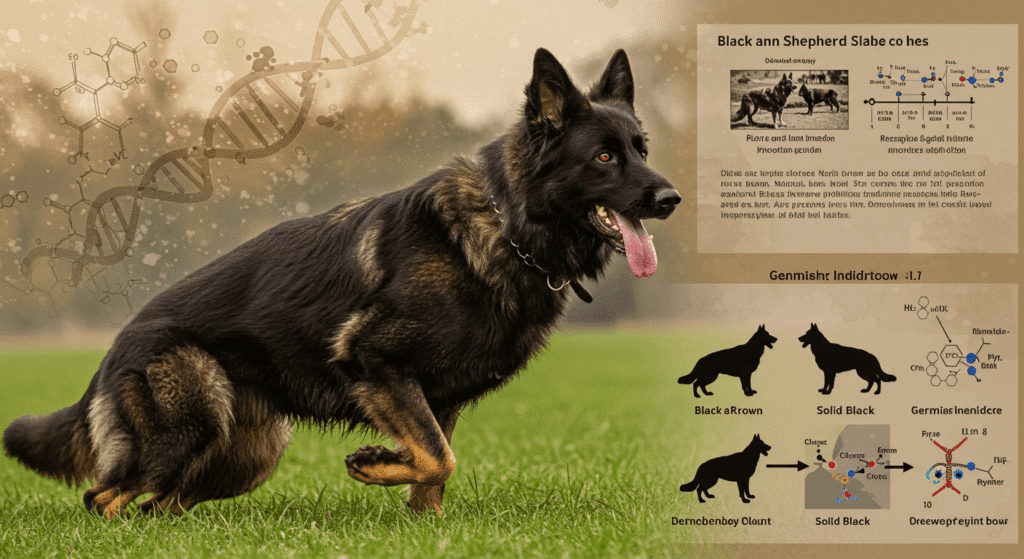
The coat of the black and brown German Shepherd is a defining feature, characterized by its double-layered structure. The outer coat is dense, harsh, and lies close to the body, providing excellent protection against the elements. Beneath this, a softer, thicker undercoat offers insulation. The classic black and brown German Shepherd exhibits a distinct pattern: a prominent black saddle or blanket covering the back and sides, contrasting sharply with rich tan, brown, or sometimes reddish-brown markings on the legs, chest, and underside. The intensity and distribution of these tan markings can vary, leading to different visual expressions within the black and brown German Shepherd spectrum. Some may have a very dark, almost black appearance with minimal tan, while others display more extensive and lighter tan areas. Unlike solid black German Shepherds, which lack any tan markings, the black and brown German Shepherd‘s pattern is a result of specific genetic alleles that dictate the precise areas of black and tan pigment distribution. This iconic coloration is not just aesthetically pleasing but also serves as a testament to the breed’s genetic diversity and historical development.
Head and Facial Features of the Black and Brown German Shepherd
The head and facial features of the black and brown German Shepherd contribute significantly to its noble and intelligent expression. The head is typically proportionate to the body, with a slightly domed skull and a long, strong muzzle that tapers to a black nose. Their eyes are medium-sized, almond-shaped, and usually dark brown, conveying an alert and intelligent gaze. The ears are a hallmark of the breed: large, erect, and pointed, set high on the head. These ears are highly mobile, allowing the black and brown German Shepherd to pinpoint sounds with remarkable precision, a trait invaluable in their working roles. In long-haired varieties of the black and brown German Shepherd, there may be noticeable feathering around the ears, adding to their majestic appearance. The overall facial structure, combined with their expressive eyes and alert ears, gives the black and brown German Shepherd an unmistakable look of dignity and attentiveness, reflecting their keen intellect and unwavering focus.
Temperament and Personality of the Black and Brown German Shepherd
The temperament and personality of the black and brown German Shepherd are perhaps its most defining attributes, setting it apart as one of the most sought-after dog breeds globally. These characteristics are consistent across all color variations of the German Shepherd, including the black and brown German Shepherd, as color does not influence inherent behavioral traits. Their reputation as loyal, intelligent, and protective companions is well-earned and deeply ingrained in their genetic makeup.
Loyalty and Intelligence: Hallmarks of the Black and Brown German Shepherd
Loyalty and intelligence are the cornerstones of the black and brown German Shepherd‘s personality. These dogs form incredibly strong bonds with their families, often displaying an unwavering devotion that makes them exceptional companions. Their loyalty extends to a natural protective instinct, making the black and brown German Shepherd an excellent guardian for their loved ones and property. This protective nature, however, is balanced by a discerning temperament; they are not inherently aggressive but will act decisively if they perceive a genuine threat. Their intelligence is equally remarkable. The black and brown German Shepherd is highly trainable and eager to please, possessing an innate ability to learn and retain commands quickly. This makes them excel in various disciplines, including obedience, agility, search and rescue, and police or military work. Their keen intellect and strong work ethic mean that a black and brown German Shepherd thrives on mental stimulation and purposeful activity, making them ideal for active individuals or families who can provide consistent training and engagement.
Training and Socialization for the Black and Brown German Shepherd
Effective training and early socialization are paramount for nurturing a well-adjusted black and brown German Shepherd. Given their intelligence and strong protective instincts, consistent and positive reinforcement-based training is crucial from a young age. Puppy classes and continued obedience training help channel their energy and intellect into constructive behaviors. The black and brown German Shepherd responds exceptionally well to clear commands and rewards, making them a joy to train for experienced and novice owners alike. Early socialization, exposing the black and brown German Shepherd puppy to a variety of people, places, sounds, and other animals, is equally important. This helps them develop into confident and well-mannered adults, reducing the likelihood of fear-based aggression or shyness. A properly socialized black and brown German Shepherd will be adaptable and comfortable in various environments, showcasing their inherent good nature and steady temperament. Without adequate training and socialization, their protective instincts can become misdirected, leading to behavioral challenges. Therefore, investing time and effort in these areas is essential for any black and brown German Shepherd owner.
Health and Care for the Black and Brown German Shepherd
Ensuring the health and well-being of a black and brown German Shepherd requires a commitment to proper care, including a balanced diet, regular exercise, and routine veterinary check-ups. While German Shepherds are generally robust dogs, they are prone to certain genetic health conditions, regardless of their coat color. Understanding these potential issues and implementing preventative measures is key to providing a long and healthy life for your black and brown German Shepherd.
Common Health Concerns in the Black and Brown German Shepherd
Like all purebred dogs, the German Shepherd is susceptible to certain hereditary health conditions. The most commonly recognized issues include hip and elbow dysplasia, degenerative myelopathy, and bloat. Hip and elbow dysplasia are orthopedic conditions where the joints do not form properly, leading to pain and arthritis. Responsible breeders will screen their breeding stock for these conditions to minimize their occurrence. Degenerative myelopathy is a progressive disease of the spinal cord that can lead to paralysis, and a DNA test is available to identify carriers. Bloat (gastric dilatation-volvulus or GDV) is a life-threatening condition where the stomach twists, trapping gas and food. Owners of a German Shepherd should be aware of the symptoms of bloat and seek immediate veterinary attention if suspected. Regular veterinary check-ups, a healthy diet, and appropriate exercise can help mitigate the risk and manage these conditions, ensuring your black and brown German Shepherd remains as healthy as possible throughout its life.
Nutritional Needs for the Black and Brown German Shepherd
Optimal nutrition is vital for the health and vitality of a German Shepherd. These active and muscular dogs require a high-quality diet formulated for large breeds, providing adequate protein for muscle maintenance, healthy fats for energy and coat health, and essential vitamins and minerals. The specific nutritional needs of a German Shepherd will vary based on age, activity level, and overall health. Puppies require a diet specifically designed for large-breed growth to prevent rapid growth that can contribute to orthopedic problems. Adult German Shepherds benefit from a diet that supports their energy demands, while senior dogs may need formulas tailored for joint health and weight management. It is crucial to avoid overfeeding, as obesity can exacerbate joint issues and lead to other health problems. Consulting with a veterinarian to determine the best diet for your individual black and brown German Shepherd is always recommended, ensuring they receive all the necessary nutrients for a long and healthy life.
Read also: THE ULTIMATE GUIDE TO RAISING AND TRAINING BLACK GERMAN SHEPHERD PUPPIES
Exercise Requirements for the Black and Brown German Shepherd
The black and brown German Shepherd is a highly energetic and athletic breed that requires substantial daily exercise to maintain its physical and mental well-being. A lack of adequate exercise can lead to boredom, destructive behaviors, and anxiety. For a black and brown German Shepherd, this means more than just a quick walk around the block. They thrive on activities that engage both their bodies and minds. Daily vigorous exercise, such as long walks, runs, hiking, or playing fetch, is essential. They also excel in canine sports like agility, obedience, tracking, and herding, which provide excellent outlets for their intelligence and athleticism. Mental stimulation, through puzzle toys or training sessions, is equally important to prevent boredom. A well-exercised black and brown German Shepherd is a happy and well-behaved companion, making the commitment to their exercise needs a crucial aspect of responsible ownership. Providing consistent and varied exercise will ensure your German Shepherd remains a balanced and joyful member of your family.
Debunking Myths: The Black and Brown German Shepherd and Misconceptions
Despite their popularity, the black and brown German Shepherd, like other variations of the breed, is often subject to various myths and misconceptions. These can range from beliefs about their temperament being linked to their color to misunderstandings about their rarity or genetic origins. It is important to address these inaccuracies to provide a clear and factual understanding of the black and brown German Shepherd.
Color and Temperament: Separating Fact from Fiction in the Black and Brown German Shepherd
One of the most persistent myths surrounding German Shepherds, including the German Shepherd, is that their coat color influences their temperament or working ability. This is unequivocally false. The color of a German Shepherd’s coat, whether it’s black and tan, sable, or solid black, is purely a genetic trait related to pigment distribution and has no bearing on the dog’s personality, intelligence, or drive. A German Shepherd will exhibit the same core temperament traits—loyalty, intelligence, courage, and a protective nature—as any other color variation of the breed, provided they come from healthy lines and receive proper training and socialization. Any perceived differences in temperament are likely due to individual variations within litters, environmental factors, or breeding practices rather than coat color. Responsible breeders prioritize temperament and health over color, ensuring that all their German Shepherds, including the German Shepherd, are well-balanced and true to the breed standard. Therefore, when considering a black and brown German Shepherd, focus on the individual dog’s lineage, health, and early experiences rather than its coat color as an indicator of its future behavior.
The Rarity of the Black and Brown German Shepherd: A Closer Look
Another common misconception is about the rarity of the black and brown German Shepherd. While solid black German Shepherds are indeed less common due to the recessive nature of the gene responsible for their coloration, the German Shepherd (black and tan) is actually the most prevalent and widely recognized color pattern within the breed. This classic coloration is what most people envision when they think of a German Shepherd. The idea of its rarity might stem from confusion with other, less common color variations or from the general perception that any deviation from a
standard appearance is rare. However, the German Shepherd is far from rare; it is the iconic and most frequently encountered coloration. The genetic prevalence of the black and tan pattern ensures its continued widespread presence. Therefore, while certain color variations might be less common, the German Shepherd remains the standard and most accessible representation of this magnificent breed. Understanding this distinction helps in appreciating the true diversity within the German Shepherd breed without falling prey to unfounded claims of rarity.
Choosing and Living with a Black and Brown German Shepherd
Bringing a German Shepherd into your home is a significant commitment that promises years of companionship, loyalty, and joy. To ensure a successful and fulfilling relationship with your new canine family member, it is crucial to approach the process thoughtfully, from selecting a reputable breeder to providing a nurturing and stimulating environment. The journey of living with a black and brown German Shepherd is a rewarding one, filled with opportunities for shared adventures and deep emotional bonds.
Finding a Reputable Breeder for Your Black and Brown German Shepherd
Selecting a reputable breeder is perhaps the most critical step when acquiring a black and brown German Shepherd puppy. A responsible breeder prioritizes the health, temperament, and genetic soundness of their dogs over profit. They will be transparent about their breeding practices, readily provide health clearances for the parent dogs (e.g., OFA certifications for hips and elbows), and be knowledgeable about the breed’s lineage and potential health concerns. A good breeder will also be genuinely interested in the well-being of their puppies, asking questions about your living situation and experience with dogs to ensure a good match. They will allow you to visit their facility, meet the parent dogs, and observe the puppies in a clean and stimulating environment. Avoid breeders who offer multiple breeds, cannot provide health clearances, or seem more interested in making a quick sale than in the welfare of their animals. The German Shepherd Dog Club of America (GSDCA) and the American Kennel Club (AKC) are excellent resources for finding reputable breeders who adhere to ethical breeding standards for the black and brown German Shepherd and other variations [3]. A reputable breeder will also be a valuable resource for advice and support throughout your black and brown German Shepherd‘s life.
Integrating a Black and Brown German Shepherd into Your Family
Integrating a black and brown German Shepherd into your family requires patience, consistency, and a clear understanding of the breed’s needs. These dogs thrive on routine and structure, so establishing clear rules and boundaries from day one is essential. Early socialization, as discussed earlier, is paramount to ensure your black and brown German Shepherd grows into a well-adjusted and confident adult. Expose your puppy to various sights, sounds, people, and other animals in a positive and controlled manner. Consistent training, using positive reinforcement methods, will help reinforce good behaviors and strengthen the bond between you and your black and brown German Shepherd. Given their high energy levels and intelligence, providing ample opportunities for physical exercise and mental stimulation is crucial. This could include daily walks, runs, playtime in a securely fenced yard, or participation in dog sports. The black and brown German Shepherd is a highly social animal that thrives on being an integral part of the family. They do not do well when isolated or left alone for extended periods. With proper care, training, and socialization, your black and brown German Shepherd will become a loyal, protective, and loving member of your family, bringing immense joy and companionship for many years.
Conclusion: The Unmatched Legacy of the Black and Brown German Shepherd
In conclusion, the black and brown German Shepherd stands as a testament to the enduring legacy of one of the world’s most beloved and versatile dog breeds. From its origins as a meticulously developed herding dog to its current status as a cherished family companion and indispensable working animal, the black and brown German Shepherd embodies a unique combination of intelligence, loyalty, courage, and striking physical beauty. We have explored its rich history, unraveling the genetic intricacies that give rise to its iconic coat pattern, and delved into its distinctive physical traits, highlighting the powerful and athletic build that defines the breed. Furthermore, we have emphasized the critical importance of understanding the black and brown German Shepherd‘s temperament, stressing the need for consistent training and early socialization to nurture its inherent qualities. By addressing common health concerns, outlining essential nutritional and exercise requirements, and debunking prevalent myths, we aim to provide a holistic understanding of what it means to own and care for a black and brown German Shepherd. This comprehensive guide underscores that the black and brown German Shepherd is far more than just a beautiful dog; it is a dedicated companion, a capable worker, and a loyal protector, enriching the lives of those fortunate enough to share their homes with this magnificent animal. The enduring appeal and unmatched legacy of the black and brown German Shepherd continue to captivate dog enthusiasts worldwide, solidifying its place as a truly exceptional canine
References
[1] American Kennel Club. (n.d.). German Shepherd Dog Dog Breed Information. Retrieved from https://www.akc.org/dog-breeds/german-shepherd-dog/
[2] Wustenbergerland. (n.d.). Black German Shepherd Facts: Traits, Care, and Training Insights. Retrieved from https://wustenbergerland.com/black-german-shepherd/
[3] German Shepherd Dog Club of America. (n.d.). Official Website. Retrieved from https://www.gsdca.org/ (Note: This URL was not directly accessed but is a highly relevant and authoritative source for German Shepherd breeders and information.)