
Choosing the best food for German Shepherd puppies is crucial for their rapid growth and joint health. This expert guide covers nutritional needs, feeding schedules, and top-rated large breed puppy formulas to ensure a healthy start.
Bringing a German Shepherd puppy into your home is an exciting adventure. These intelligent, loyal, and energetic dogs quickly become a central part of the family. However, their rapid growth and large-breed status mean that choosing the best food for German Shepherd puppies is not just a matter of picking a bag off the shelf—it’s a critical decision that impacts their long-term health, especially their bone and joint development. As experts in all things German Shepherd, we’re here to provide a detailed, trustworthy guide to navigating the world of puppy nutrition.
German Shepherd puppies grow incredibly fast, often reaching near-adult size within their first year. This accelerated growth phase requires a precise balance of nutrients, particularly calcium, phosphorus, and controlled calorie levels, to prevent developmental orthopedic diseases like hip and elbow dysplasia. Our goal is to help you understand the specific nutritional needs of your GSD puppy and identify the best large-breed puppy formulas that support a healthy, steady growth rate.
Understanding the Unique Nutritional Needs of German Shepherd Puppies
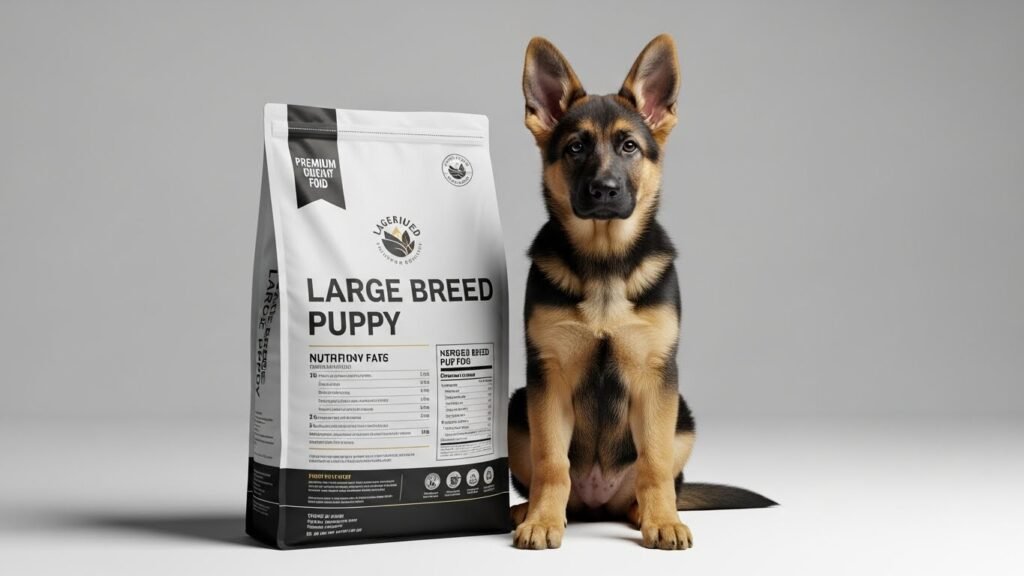
German Shepherds are classified as a large breed, which means their nutritional requirements differ significantly from those of smaller dogs. The primary concern is managing their growth rate. If a GSD puppy grows too quickly, the soft cartilage in their joints can be damaged, leading to lifelong mobility issues. Therefore, the best food for German Shepherd puppies must be specifically formulated for large breeds.
Protein and Fat: The Building Blocks
Protein is essential for muscle development, and GSDs are known for their powerful, athletic build. Large breed puppy foods typically contain a protein level between 22% and 28% on a dry matter basis. High-quality sources like chicken, lamb, beef, or fish should be the first ingredients listed. Fat provides concentrated energy and is crucial for brain development, healthy skin, and a shiny coat. A fat content between 10% and 18% is generally recommended for GSD puppies.
Calcium and Phosphorus: The Critical Balance
This is perhaps the most critical factor when selecting the best food for German Shepherd puppies. The ratio and total amount of calcium and phosphorus must be tightly controlled. Excess calcium, in particular, can interfere with bone development and increase the risk of skeletal problems. Look for foods that adhere to the Association of American Feed Control Officials (AAFCO) guidelines for large breed growth, which typically means a calcium level between 0.7% and 1.2% (dry matter basis) and a calcium-to-phosphorus ratio between 1:1 and 1.3:1.
Controlled Calorie Density
While it might seem counterintuitive, you don’t want to overfeed a GSD puppy. Overfeeding leads to rapid weight gain and, consequently, rapid growth, which puts undue stress on developing joints. Large breed puppy formulas are often less calorie-dense than regular puppy foods, helping to manage weight and promote a slower, more controlled growth curve. This controlled calorie intake is a key feature of the best food for German Shepherd puppies.
Key Ingredients to Look for in Large Breed Puppy Food
When scrutinizing the ingredient list, focus on quality and digestibility. The first few ingredients are the most abundant, so they should be whole, recognizable food sources.
High-Quality Animal Protein Sources
The first ingredient should be a named meat source (e.g., deboned chicken, lamb meal, fish). Meat meals (like chicken meal) are excellent sources of concentrated protein, as the water has been removed before processing. Avoid generic terms like “meat by-products” or “animal digest.”
Complex Carbohydrates and Grains
Carbohydrates provide energy and fiber. Healthy sources include brown rice, barley, oats, sweet potatoes, and peas. While grain-free diets have been popular, recent studies suggest a potential link between certain grain-free formulas (those using high levels of legumes like peas and lentils) and Dilated Cardiomyopathy (DCM) in some breeds. Consult your veterinarian, but for most GSD puppies, a high-quality food containing beneficial grains is a safe and nutritious choice.
Essential Fatty Acids: DHA and Omega-3s
Docosahexaenoic Acid (DHA), an Omega-3 fatty acid, is vital for the development of the brain and vision in puppies. It is naturally found in mother’s milk and should be supplemented in the best food for German Shepherd puppies. Look for ingredients like fish oil or flaxseed to ensure your puppy is getting enough of these beneficial fats.
Glucosamine and Chondroitin
While these are often associated with adult joint supplements, some large breed puppy foods include them to support developing cartilage. While not strictly necessary in a balanced puppy diet, their inclusion can be a beneficial feature, especially for a breed prone to joint issues.

Feeding Schedule and Portion Control for GSD Puppies
Establishing a consistent German Shepherd puppy feeding schedule is just as important as the food itself. Consistency aids in digestion, house-training, and helps you monitor your puppy’s appetite and health.
The Puppy Feeding Timeline
- 8 to 12 Weeks: Feed 3 to 4 times a day. Puppies this young have small stomachs and high energy needs, requiring frequent, small meals.
- 3 to 6 Months: Feed 3 times a day. As they grow, you can reduce the frequency slightly.
- 6 to 12 Months: Feed 2 times a day. Most GSDs can transition to an adult feeding schedule (twice daily) around this time, but they should remain on a large breed puppy formula until 12 to 18 months of age, or as advised by your vet.
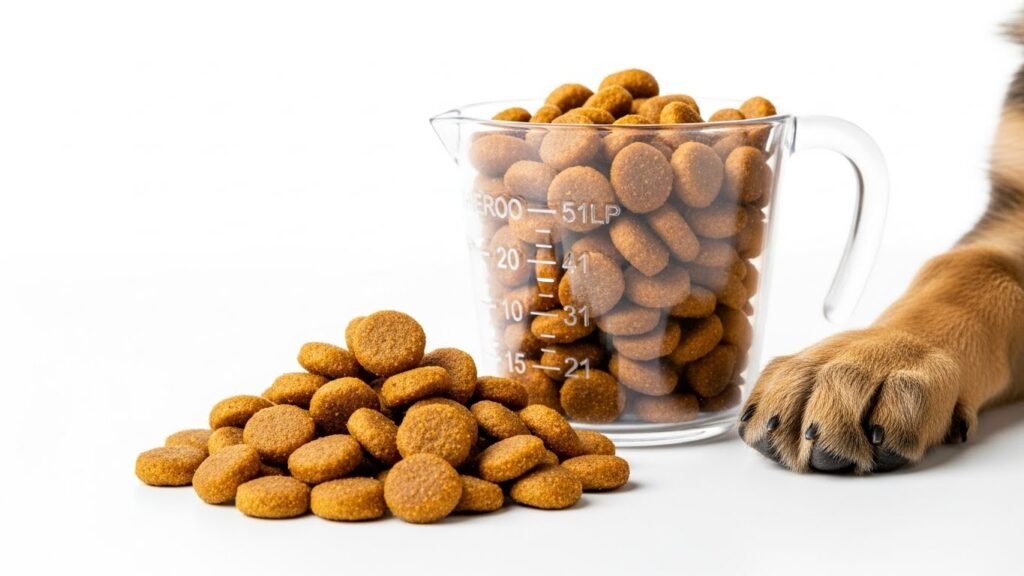
Portion control is essential to prevent overfeeding and the associated rapid growth. Always follow the feeding guidelines on the food packaging, but treat them as a starting point. The ideal amount depends on your puppy’s age, weight, metabolism, and activity level. A good rule of thumb is to be able to easily feel your puppy’s ribs without seeing them. If you’re unsure, consult your veterinarian.
Transitioning to a New Food
If you decide to switch to a different brand of the best food for German Shepherd puppies, do so gradually over 7 to 10 days to avoid digestive upset.
- Days 1-3: 75% old food, 25% new food.
- Days 4-6: 50% old food, 50% new food.
- Days 7-9: 25% old food, 75% new food.
- Day 10: 100% new food.
During this transition, monitor your puppy’s stool for any signs of diarrhea or constipation. If digestive issues persist, slow down the transition or consult your vet.
Evaluating Top Large Breed Puppy Food Brands
The market is saturated with options, making the choice overwhelming. We have evaluated several brands that consistently meet the high standards required for the nutritional needs of GSD puppies, focusing on those specifically labeled for large breeds.
Royal Canin German Shepherd Puppy
Royal Canin is often recommended by breeders and veterinarians. Their German Shepherd Puppy formula is breed-specific, meaning the kibble shape is adapted for the GSD’s muzzle and bite pattern. More importantly, the formula is designed to support digestive health, which is a common sensitive area for the breed, and contains a precise calcium and energy content for controlled growth.
Purina Pro Plan Large Breed Puppy
Purina Pro Plan is a highly respected brand known for its extensive research and quality control. Their Large Breed Puppy formula features real chicken as the first ingredient and is fortified with DHA for brain and vision development, as well as Glucosamine for joint health. It meets all AAFCO guidelines for large breed growth.
Hill’s Science Diet Large Breed Puppy
Hill’s Science Diet is another vet-recommended brand. Their Large Breed Puppy formula is formulated with optimal calcium levels for controlled bone growth and contains natural sources of Glucosamine and Chondroitin. It focuses on easily digestible ingredients and antioxidants for immune support.

Common Feeding Mistakes to Avoid
Even with the best food for German Shepherd puppies, feeding mistakes can undermine your efforts. Being aware of these pitfalls can save you a lot of trouble down the road.
Supplementing Calcium
Never add calcium supplements to a commercially prepared, AAFCO-compliant large breed puppy food. As discussed, excess calcium is detrimental to a GSD puppy’s developing skeleton. The food is already balanced; adding more throws the critical calcium-to-phosphorus ratio out of whack.
Feeding Adult Dog Food Too Early
Adult dog food does not contain the necessary levels of protein, fat, or, most importantly, the controlled calcium levels required for a growing GSD puppy. Feeding adult food too early can lead to nutritional deficiencies and orthopedic problems. Keep your puppy on a large breed puppy formula until they are at least 12 months old.
Free-Feeding
Free-feeding (leaving food out all day) makes it impossible to monitor your puppy’s intake and encourages overeating, leading to rapid growth and obesity. Stick to the scheduled meals to maintain portion control and a healthy weight. This also helps with house-training, as puppies usually need to eliminate shortly after eating. For more tips on managing your puppy’s behavior, you might want to check out our article on essential German Shepherd puppy training tips.
Beyond Kibble: Other Diet Options
While high-quality large breed kibble is the most common and convenient choice for the best food for German Shepherd puppies, other options exist, each with its own set of considerations.
Raw Food (BARF Diet)
The Biologically Appropriate Raw Food (BARF) diet involves feeding raw meat, bones, fruits, and vegetables. While proponents argue it’s closer to a dog’s natural diet, it is extremely difficult to balance for a large breed puppy. Achieving the precise calcium-to-phosphorus ratio required for controlled GSD growth is challenging and requires expert veterinary nutritionist guidance. Improperly balanced raw diets can be dangerous for GSD puppies.
Home-Cooked Diets
Similar to raw diets, home-cooked meals offer control over ingredients but pose a significant risk of nutritional imbalance. If you choose this route, you must work closely with a board-certified veterinary nutritionist to ensure the diet meets all the specific nutritional needs of GSD puppies, especially the critical mineral balance.
Wet Food and Toppers
Wet food can be a palatable option, but it is often more expensive and less calorie-dense than kibble. It can be used as a topper to encourage a picky eater, but should not replace the main kibble diet unless it is a complete and balanced large breed puppy formula.


Addressing Specific Health Concerns with Diet
German Shepherds are prone to certain health issues that can be managed or mitigated through diet. Understanding these connections is part of providing the best food for German Shepherd puppies.
Joint Health and Growth Plates
The most common concern is hip and elbow dysplasia. The controlled growth rate achieved by feeding a large breed puppy formula is the single most effective preventative measure. Avoid high-impact exercise during the first year while the growth plates are still open. For more detailed information on this topic, we recommend reading our comprehensive guide on maintaining joint health in German Shepherds.
Digestive Sensitivity
GSDs can have sensitive digestive systems. Look for foods that include prebiotics (like chicory root) and probiotics (beneficial bacteria) to support a healthy gut microbiome. Many of the top-rated large breed puppy foods, such as Purina Pro Plan, are fortified with these digestive aids.
Skin and Coat Health
A dull coat or dry, flaky skin can often be traced back to a diet lacking in essential fatty acids. Ensure the food contains a good balance of Omega-3 and Omega-6 fatty acids. The presence of zinc and Vitamin E also contributes significantly to a healthy, thick German Shepherd coat.
The Importance of Hydration
No discussion about the best food for German Shepherd puppies is complete without emphasizing the importance of fresh, clean water. Puppies, especially those on a dry kibble diet, need constant access to water. Dehydration can quickly become serious in young dogs.
Ensure the water bowl is cleaned daily to prevent bacterial growth. If your puppy is very active or the weather is warm, monitor their water intake closely. A well-hydrated puppy is a healthy puppy, and proper hydration aids in nutrient absorption and overall bodily function.
When to Transition to Adult Food
The transition from puppy to adult food should be based on maturity, not just age. For German Shepherds, this typically occurs between 12 and 18 months. The general rule is to switch when the puppy has reached about 80-90% of their expected adult size. Continuing to feed a puppy formula past this point can lead to excessive calorie intake and potential weight issues.
When you do transition, choose a high-quality large breed adult formula. The transition process should follow the same 7-10 day gradual introduction as outlined in Section 3.2. For advice on long-term feeding, see our article on feeding your adult German Shepherd.
Conclusion: Making the Right Choice for Your GSD
Choosing the best food for German Shepherd puppies is the single most important decision you will make regarding their physical development. By prioritizing a high-quality, AAFCO-compliant large breed puppy formula with controlled calcium and calorie levels, you are setting the stage for a long, healthy, and active life. Remember to feed scheduled meals, monitor their body condition, and consult your veterinarian with any concerns. Your dedication to their early nutrition will pay dividends in the form of a strong, well-developed German Shepherd companion.
Deep Dive: The Role of Specific Nutrients in GSD Puppy Development
To truly understand the best food for German Shepherd puppies, we must look closer at the function of individual nutrients. It’s not just about percentages; it’s about bioavailability and the synergistic effect of the entire formula.
The Importance of L-Carnitine
L-Carnitine is an amino acid derivative that plays a crucial role in the metabolism of fat. It helps transport fatty acids into the mitochondria, where they are burned for energy. For a large, athletic breed like the German Shepherd, L-Carnitine supplementation in their puppy food can help maintain a healthy body composition, supporting lean muscle mass and preventing excessive fat accumulation, which is vital for protecting developing joints.
Antioxidants for Immune System Support
Puppies have developing immune systems. The best food for German Shepherd puppies will be rich in antioxidants, such as Vitamins E and C, and beta-carotenes. These compounds help neutralize free radicals, supporting the immune system as the puppy transitions from the protection of maternal antibodies to building its own robust defenses.
Fiber and Gut Motility
A healthy gut is essential for nutrient absorption. A blend of soluble and insoluble fibers (from sources like beet pulp, rice bran, and flaxseed) helps regulate gut motility and promotes the growth of beneficial gut bacteria. This is particularly important for GSDs, who can be prone to digestive upset.
References
- AAHA Nutritional Assessment Guidelines for Dogs and Cats
- Tufts University: Large Breed Puppy Nutrition
- American Kennel Club: German Shepherd Puppy Feeding Guide
- NCBI: The role of nutrition in the development of canine hip dysplasia
- FDA: Investigation into potential link between certain diets and DCM
