



Have you ever wondered if your loyal companion would thrive better on a natural, ancestral menu rather than traditional kibble? Many owners of large, active breeds are searching for ways to boost their pet’s vitality through nutrition.
Choosing the right nourishment is a critical decision for your dog’s long-term wellness. This guide explores the essential nutritional requirements needed to keep your canine friend healthy and energetic. We will examine the specific benefits and potential drawbacks of this feeding approach to help you make an informed choice.
Key Takeaways
- Understanding the unique metabolic needs of large, active breeds.
- Evaluating the potential health improvements linked to fresh ingredients.
- Identifying safety concerns and handling requirements for uncooked meals.
- Balancing essential nutrients to prevent deficiencies in growing dogs.
- Comparing long-term wellness outcomes against standard commercial options.
Understanding the Raw Food Diet for German Shepherds Pros and Cons
When considering a raw food diet for German Shepherds, pros and cons must be weighed against their unique physiology. This feeding approach, often referred to as biologically appropriate raw food, focuses on providing uncooked meats, organs, and bones. Many owners turn to this method hoping to mimic the ancestral diet of their canine companions.
The raw food diet for canines has gained significant traction in the United States as pet parents seek more natural alternatives to processed kibble. Because German Shepherds are large, active dogs with specific digestive sensitivities, they require a careful approach to nutrition. Understanding these requirements is essential before making any major changes to their daily meals.
A detailed german shepherds raw food diet analysis suggests that while some dogs thrive on fresh, unprocessed ingredients, others may face challenges. Scientific evidence remains mixed, highlighting the need for owners to be well-informed about potential risks and benefits. To help you navigate this transition, consider these core principles of raw feeding:
- Nutrient Density: Raw diets often provide high levels of protein and essential amino acids.
- Digestive Health: Many proponents claim that raw food leads to smaller, firmer stools.
- Ingredient Transparency: You have complete control over the quality and source of the proteins used.
- Safety Protocols: Proper handling is mandatory to prevent bacterial contamination.
Ultimately, determining is raw food good for German Shepherds depends on your ability to balance their specific nutritional needs. It is not a one-size-fits-all solution, and it requires a commitment to research and preparation. By focusing on high-quality ingredients and balanced ratios, you can better support your dog’s long-term health and vitality.
Nutritional Requirements for the German Shepherd Breed
Understanding the unique biological needs of your German Shepherd is the first step toward optimal wellness. These dogs are known for their high energy and working drive, which means their bodies demand a precise balance of nutrients. Proper german shepherd nutrition is not just about filling a bowl; it is about fueling a high-performance athlete.

Energy Needs and Protein Requirements
German Shepherds require a diet rich in high-quality protein to maintain their lean muscle mass. Because they are active, they burn through calories quickly during daily exercise and training sessions. A well-planned german shepherd diet ensures they receive enough amino acids to support tissue repair and overall vitality.
Many owners often ask, is raw food good for german shepherds? When balanced correctly, raw diets can provide highly bioavailable protein sources that align with their ancestral needs. High-quality animal proteins serve as the foundation for their strength and endurance.
The Role of Healthy Fats and Joint Support
Healthy fats are essential for providing the sustained energy that this breed requires throughout the day. Beyond energy, these fats—specifically Omega-3 fatty acids—play a critical role in reducing inflammation. This is particularly important for large breeds prone to orthopedic challenges.
Targeted nutrition can help protect the structural integrity of their joints as they age. By incorporating specific nutrients, you can support long-term mobility and comfort for your companion. The following table outlines key nutritional components that contribute to a healthy lifestyle for your dog.
| Nutrient Category | Primary Benefit | Source Example |
|---|---|---|
| High-Quality Protein | Muscle maintenance | Beef, Poultry, Fish |
| Omega-3 Fatty Acids | Joint and skin health | Salmon oil, Flaxseed |
| Calcium & Phosphorus | Bone density support | Raw meaty bones |
| Complex Carbohydrates | Sustained energy | Vegetables, Berries |
Benefits of Raw Feeding for German Shepherds
If you are curious about the benefits of raw diet for German Shepherds, the physical changes are often the first thing you will notice. Many owners observe a positive shift in their pet’s overall vitality within just a few weeks of making the switch. This natural approach to nutrition focuses on high-quality, whole ingredients that support the body from the inside out.
Improvements in Coat Health and Skin Condition
One of the most visible raw food benefits for dogs is the dramatic improvement in coat quality. German Shepherds often struggle with dry, itchy skin or dull fur when fed highly processed kibble. A raw diet provides essential fatty acids that nourish the skin barrier and promote a soft, lustrous coat.
You may notice that your dog experiences less shedding and fewer hot spots after transitioning. The natural oils found in raw proteins help soothe inflammation, making this a popular choice for owners managing sensitive skin. Consistent nutrition leads to a healthier, more resilient appearance that reflects your dog’s internal well-being.
Digestive Efficiency and Stool Quality
Beyond external appearance, the German shepherd health benefits of raw food extend deeply into the digestive system. Because raw food is highly bioavailable, your dog can absorb more nutrients with less effort. This efficiency results in several practical advantages for the household:
- Reduced stool volume: Since the body utilizes most of the food, there is significantly less waste produced.
- Improved consistency: Many owners report firmer, more manageable stools compared to commercial diets.
- Better gut health: Natural enzymes support a balanced microbiome, which is vital for long-term immunity.
By minimizing fillers and synthetic additives, you allow your dog’s digestive tract to function as nature intended. This shift often leads to a happier, more comfortable pet that is less prone to common digestive upsets. Embracing these German shepherd health benefits of raw food can truly transform your daily routine and your dog’s quality of life.
Potential Risks and Safety Considerations
While raw feeding offers many benefits, it is vital to understand the potential risks of raw diet for German Shepherds before making the switch. Transitioning your pet to a fresh food plan requires a commitment to hygiene and precise nutritional planning. By staying informed, you can provide a healthy lifestyle while minimizing common hazards.


Bacterial Contamination and Pathogen Management
When you adopt a raw food diet for canines, you must treat raw meat with the same caution as you would for your own meals. Pathogens like Salmonella and E. coli can exist in raw proteins, posing a threat to both your dog and your household members. Proper kitchen sanitation is the most effective way to manage these risks.
Always wash your hands, surfaces, and utensils thoroughly after every feeding session. It is also wise to keep your dog’s feeding area separate from human food preparation zones. By following strict handling protocols, you significantly reduce the chance of cross-contamination.
Nutritional imbalances and Calcium-Phosphorus Ratios
One of the most significant drawbacks of raw food diet for shepherds is the risk of long-term nutritional deficiencies. German Shepherds are large, active dogs that require a very specific balance of minerals to support their skeletal development. If the calcium-phosphorus ratio is off, your dog may face serious bone growth issues or joint pain over time.
Consistency is key when balancing a homemade raw diet. You must ensure that every meal provides the correct ratio of meat, bone, and organ tissue to meet your dog’s biological needs. Many owners find that working with a veterinary nutritionist helps them avoid these common pitfalls.
| Risk Factor | Potential Impact | Mitigation Strategy |
|---|---|---|
| Bacterial Pathogens | Gastrointestinal illness | Sanitize surfaces daily |
| Calcium Imbalance | Skeletal development issues | Use precise bone-to-meat ratios |
| Nutritional Deficits | Weakened immune system | Consult a canine nutritionist |
Understanding these raw diet risks for dogs allows you to make an educated decision for your companion. With careful preparation and a focus on safety, you can navigate these challenges successfully. Always prioritize your dog’s long-term health by monitoring their physical condition and consulting with professionals.
Review of Stella and Chewy’s Freeze-Dried Raw Dinner Patties
If you are exploring a raw dog food for German Shepherds, Stella and Chewy’s provides a high-quality, shelf-stable option. This brand has gained significant popularity by bridging the gap between traditional raw feeding and the convenience of modern pet care.
Overview
The core of this product lies in its gentle freeze-drying process. By removing moisture while keeping the temperature low, the company preserves the nutritional integrity of the raw ingredients. This method ensures that your dog receives the benefits of a natural diet without the need for constant freezer storage.
A detailed german shepherds raw food diet analysis shows that these patties are formulated to meet AAFCO standards. They focus on high-quality proteins and organic produce to support the health of large, active breeds.
Pros
- Convenience: The freeze-dried format is incredibly easy to store and serve compared to frozen raw blocks.
- Nutrient Retention: The process locks in vitamins and minerals that are often lost during high-heat processing.
- Ingredient Quality: They prioritize cage-free poultry and grass-fed meats, which are excellent for muscle maintenance.
Cons
While the quality is high, the price point can be a barrier for owners of large dogs. Because German Shepherds have significant caloric needs, the cost of feeding these patties exclusively can add up quickly.
Additionally, the patties are somewhat fragile. You may find that a portion of the bag consists of crumbles rather than whole patties, which can be messy during preparation.
Features and Suitability
These patties are highly suitable for active German Shepherds who require a nutrient-dense diet. The inclusion of probiotics and antioxidants helps support a healthy immune system and digestive tract.
For owners who want the benefits of a raw dog food for German Shepherds but lack the time for complex meal prep, this product is a fantastic solution. It offers a balanced, safe, and highly palatable meal that keeps your dog energized throughout the day.
Review of Primal Pet Foods Raw Frozen Nuggets
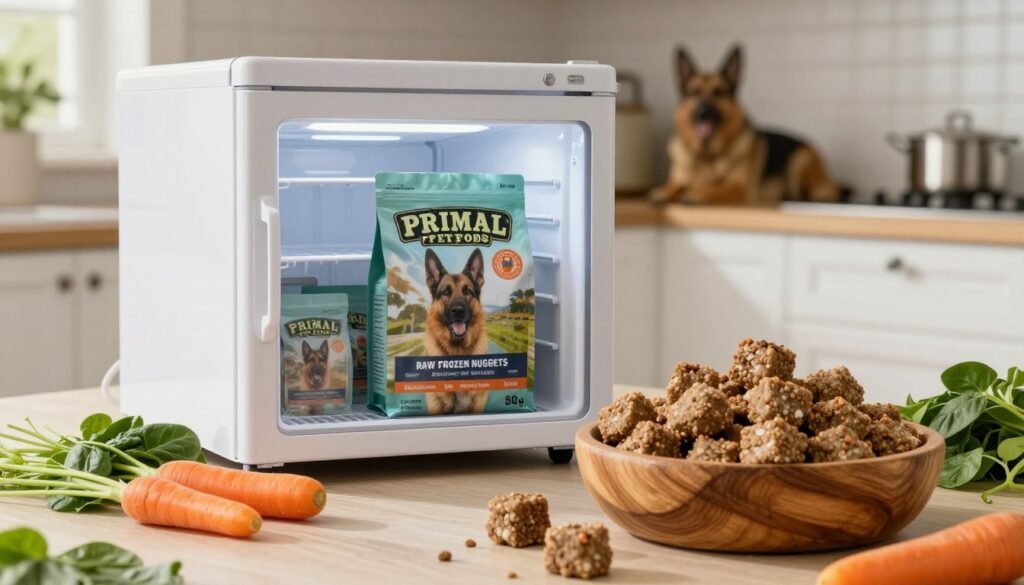
Many German Shepherd owners turn to Primal Pet Foods for their balanced and nutrient-dense frozen nuggets. This brand has become a popular choice for those seeking a high-quality raw dog food for german shepherds that simplifies the feeding process.
Overview
Primal Pet Foods focuses on providing biologically appropriate nutrition through their frozen nugget line. They prioritize high-quality proteins and organic produce to ensure that every meal supports the active lifestyle of a large breed dog.
Pros
The primary advantage of this brand is the meticulous sourcing of ingredients. Owners appreciate the following benefits:
- High-quality, antibiotic-free protein sources.
- Inclusion of certified organic fruits and vegetables.
- Convenient nugget format that makes portion control easy.
- Complete and balanced formulas that meet AAFCO standards.
Cons
While the quality is high, there are some practical considerations to keep in mind. The cost can be higher compared to traditional kibble, which may impact your monthly budget. Additionally, you will need significant freezer space to store the product properly.
Features and Suitability
These nuggets are designed to mimic the ancestral diet of canines. By combining muscle meat, organ meat, and bone with fresh produce, they provide a well-rounded nutritional profile. When managing the potential risks of raw diet for german shepherds, it is vital to practice proper hygiene. Always wash your hands and surfaces thoroughly after handling the frozen nuggets to prevent cross-contamination in your home.
| Feature | Benefit | Suitability |
|---|---|---|
| Protein Quality | High bioavailability | Excellent for active dogs |
| Organic Produce | Added antioxidants | Supports immune health |
| Nugget Format | Easy portioning | Ideal for large breeds |
Review of BARF World Raw Food Diet
The BARF World raw food diet is designed to mimic the natural ancestral intake of canines through convenient, pre-portioned meals. By focusing on the benefits of raw diet for german shepherds, this brand provides a structured approach that removes the complexity often associated with home-prepared raw meals.
Overview
BARF stands for Biologically Appropriate Raw Food. The company offers a subscription-based model that delivers frozen, pre-mixed patties directly to your door. This system ensures that your dog receives a consistent nutritional profile without the need for manual meal preparation.
Pros
- Convenience: The subscription model simplifies the feeding process for busy owners.
- Quality Ingredients: They prioritize human-grade meats and fresh vegetables.
- Safety: Their manufacturing process includes rigorous testing to minimize pathogen risks.
Cons
- Cost: Premium raw feeding can be more expensive than traditional kibble.
- Storage: You will need significant freezer space to store the monthly shipments.
- Transition Time: Some dogs may require a longer adjustment period when switching from processed food.
Features and Suitability
This diet is highly suitable for large, active breeds that require high-quality protein for muscle maintenance. When reviewing the benefits of raw diet for german shepherds, it is clear that the balanced calcium-to-phosphorus ratios in these patties support long-term skeletal health.
If you are still exploring the specifics of this feeding style, many owners consult a raw diet for german shepherds faq to understand the transition process. BARF World provides excellent resources to help you navigate these common questions. Ultimately, this service is a reliable choice for those who want the advantages of raw feeding with the ease of a modern delivery service.
Transitioning Your German Shepherd to a Raw Diet
When you decide to start feeding german shepherds raw food, the transition process is the most critical step for long-term success. A sudden change in diet can often lead to digestive distress, which is why a methodical approach is essential. By taking your time, you allow your dog’s system to adjust to new proteins and textures comfortably.
Gradual Introduction Strategies
The most effective way to begin is by slowly replacing your dog’s current kibble with small portions of raw food. Start by substituting about 10% of the meal with the new raw diet, gradually increasing this amount over a period of two to three weeks. This slow and steady method helps prevent stomach upset and allows you to identify any specific sensitivities early on.
“The secret of getting ahead is getting started, but the secret of staying ahead is consistency in your approach to canine wellness.”
During this phase, keep a close eye on your dog’s stool quality and overall energy levels. If you notice any signs of loose stools, simply slow down the transition pace for a few days. Maintaining a consistent schedule for meals will also help your dog’s digestive system regulate itself more efficiently.
Monitoring Health and Weight Changes
Proper german shepherd nutrition during this phase is vital to ensure your dog adapts well to the change in diet. You should weigh your dog weekly to ensure they are maintaining a healthy body condition. Adjust the portion sizes based on their activity level and metabolic response to the new food.
Pay close attention to physical markers such as coat shine, skin health, and alertness. If your dog seems lethargic or shows signs of weight loss, you may need to increase the caloric density of their meals. Always remember that individual needs vary, and fine-tuning your approach is a normal part of mastering German shepherd nutrition for your pet.
Common Mistakes When Feeding Raw to Large Breeds
Large breeds like German Shepherds have unique physiological requirements that demand precision in their daily nutrition. When you decide to change your german shepherd diet, it is vital to approach the process with a clear plan. Small errors in preparation can lead to significant health challenges over time.
Overlooking Bone Content and Dental Health
Many owners focus heavily on muscle meat while neglecting the essential role of raw, edible bones. Bones provide necessary calcium and phosphorus, but they also serve as a natural toothbrush for your dog. Without the right balance, you risk both nutritional deficiencies and poor oral hygiene.
If the bone content is too low, your dog may miss out on vital minerals required for skeletal strength. Conversely, too much bone can lead to constipation or dental fractures. Always ensure the bone-to-meat ratio is appropriate for your dog’s size and age to maintain optimal dental health.
Ignoring Breed-Specific Sensitivity
German Shepherds are well-known for having sensitive digestive systems compared to other breeds. When feeding german shepherds raw food, you must monitor how they react to specific proteins or ingredients. Ignoring these sensitivities is one of the most common raw diet risks for dogs that leads to chronic inflammation or upset stomachs.
Start by introducing new proteins slowly to identify any potential triggers. If your dog shows signs of lethargy or digestive distress, consult with a veterinarian immediately. Consistency and observation are your best tools for ensuring a safe and healthy transition for your companion.
Conclusion
Choosing the right nutrition path for your pet requires a balance of research and observation. You now possess the knowledge to weigh the raw food benefits for dogs against your specific lifestyle needs.
Understanding the German shepherd health benefits of raw food helps you prioritize long-term vitality. You can now identify the potential drawbacks of raw food diet for German shepherds to keep your companion safe from common pitfalls.
Success with German shepherds and raw feeding relies on your commitment to quality ingredients and proper handling. Brands like Stella and Chewy’s, Primal Pet Foods, and BARF World offer reliable starting points for your journey.
Consult your veterinarian if you have lingering questions about specific nutrient profiles. You might also explore a raw diet for German shepherds FAQ to clarify any remaining doubts about daily portions or safety protocols.
Your dedication to high-quality nutrition creates a strong foundation for your dog. Keep monitoring your pet’s energy levels and coat condition to ensure the chosen diet meets every unique requirement.