

German Shepherd adolescence brings behavior changes like selective hearing and boundary testing. Learn how to support your teen dog with training, exercise, and consistency.
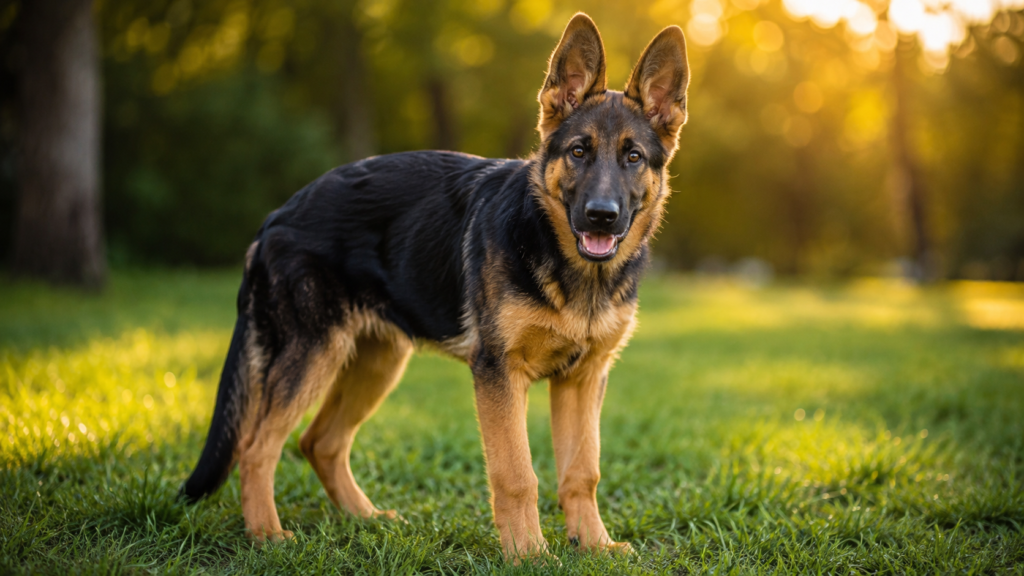
Adolescence in a German Shepherd can feel like living with a teenager: sudden bursts of independence, renewed curiosity, and moments of confusion for both dog and owner. This stage is a natural part of development that typically starts at about six months and can last until two years or more. With gentle, consistent support you can help your teen dog build reliable manners, maintain social skills, and emerge as a stable adult.
What is adolescence in German Shepherds?
Adolescence is the transitional phase between puppyhood and adulthood. During this time your German Shepherd is completing physical growth, experiencing hormonal changes, and going through cognitive and emotional shifts. This combination can produce behaviors you didn’t see as a young puppy—and some you may have thought were solved.
Typical timeline and physical changes
Large-breed dogs like German Shepherds grow more slowly than small breeds. You may see the first signs of adolescence around six months, with strong personality changes by 8–14 months and maturation continuing into the second year. Expect growth spurts, coordination changes, and the adult coat to come in. These physical changes influence energy levels and sometimes appetite.
Hormonal shifts and maturity
Sex hormones influence behavior: intact males and females can show increased marking, mounting, or sexual interest during adolescence. These are normal signs of maturation. Decisions about spay/neuter should be made with your veterinarian, taking into account breed, growth rate, and individual health—there’s no one-size-fits-all answer.
Common behavior changes during adolescence
Many owners notice behavior that looks like testing, selective hearing, or sudden fear reactions. These are common and usually reflect a dog’s brain reorganizing rather than a permanent personality problem.
Testing limits and independence
Your German Shepherd may push boundaries to see what they can get away with—ignoring recalls, taking toys, or counter-surfing. It’s important to respond consistently and calmly. Repeating and reinforcing clear rules helps dogs learn where limits are now that they’re older and stronger.
Fear phases and reactivity
Adolescence can include fear periods where dogs become wary of previously tolerated stimuli. You may also see increased reactivity to strangers, other dogs, or noises. Avoid forcing exposure; instead use controlled, positive experiences to rebuild confidence. If fear or aggression appears, seek help from a qualified, reward-based behavior professional and consult your veterinarian to rule out medical causes.
Training approaches for adolescent German Shepherds
This is a crucial period to build reliable cues and strengthen your relationship. Use short, frequent sessions and make training fun—adolescents are more easily distracted, so high-value rewards and clear, consistent expectations help.
Reward-based methods and structure
Use positive reinforcement—praise, food, toys, or play—to reward desired behavior. Avoid punishment-based techniques. The American Veterinary Society of Animal Behavior (AVSAB) supports force-free, scientifically grounded training approaches; their position statements explain why reward-based methods are best for long-term behavior and welfare (see their resources linked below).
Practical training examples
- Loose-leash walking: Reward short increments of walking without pulling. If your teen pulls, stop and wait for slack before progressing. Repeat frequently in short bursts.
- Reliable recall: Practice recalls in low-distraction areas first. Use high-value treats or a favorite toy as rewards. Gradually increase distance and distractions.
- Place training: Teach your dog a comfortable mat or bed as a calm place. Reward calm behavior and gradually extend the time your teen dog stays there.
For foundations started in puppyhood, continue to build on them—see our article on positive puppy training foundations for ideas on early habits that carry through adolescence.
positive puppy training foundations
Socialization and supervised interactions
Adolescence isn’t the end of socialization; it’s a stage where continuing structured exposures is essential. Confident, well-managed interactions help prevent fear and aggression tendencies.
Dog-dog and dog-people interactions
Keep interactions short, supervised, and with dogs you know are well-mannered. Look for calm body language and be ready to step in before play escalates. If your teen shows signs of overarousal or fear, create distance and reward calm behavior.
Meeting new places and sounds
Introduce new environments gradually. If a situation provokes anxiety, reduce the intensity and pair the experience with rewards. The goal is controlled, positive exposure rather than flooding your dog with overwhelming stimuli.
Exercise and mental enrichment needs
German Shepherds are working dogs with high physical and mental needs. Adolescence may bring bursts of seemingly endless energy. Balance exercise with age-appropriate joint care and mental challenges.
What good exercise looks like
Daily activity should include aerobic exercise, strength-building play, and training sessions. Avoid repetitive high-impact exercise on hard surfaces for growing joints—prefer varied surfaces and balanced activities. Short, frequent bursts of activity are better than long, repetitive runs during growth phases.
Mental enrichment examples
- Scent games: Hide treats or toys around the house or yard for your dog to find.
- Food-dispensing puzzles: Slow feeders and puzzle toys build problem-solving skills.
- Obedience games: Turn recalls, sits, and stays into quick, tasty training games.
- Structured play: Short sessions of fetch or tug (with rules like “drop” and “wait”) that emphasize impulse control.
Nutrition and growth considerations
Feeding a large-breed adolescent requires attention to quality nutrition and appropriate calorie levels. Growth rates, activity, and body condition vary between individuals—monitor weight and body composition rather than relying solely on age-based feeding charts.
Monitoring weight and Condition
Keep an eye on your dog’s rib coverage, waistline, and energy. Rapid weight gain or loss, limpness, or unusual fatigue warrant a visit to your veterinarian. Your vet can help adjust feeding to support steady growth and joint health.
Supplements and special diets
Some owners consider supplements for joint support, but these should be discussed with a veterinarian. Don’t start supplements or restrictive diets without professional guidance—unnecessary or inappropriate supplementation can harm a growing dog.
Health checks and when to see the vet
Regular veterinary checks are important through adolescence. Growth-related issues, hip/elbow development, dental changes, and incidental injuries can show up during this time.
Signs that need veterinary attention
- Limping, reluctance to rise, or stiffness after light activity
- Sudden, unexplained changes in appetite or weight
- Behavioral changes that coincide with pain (irritability, guarding)
- Seizures, collapse, or other acute medical signs
These are general warning signs. For specific concerns, contact your veterinarian promptly. Remember that behavioral changes can have medical causes; ruling out pain or illness is an important first step.
Handling challenging adolescent behaviors
Some behaviors become more visible during adolescence: leash reactivity, boundary testing, resource guarding, or sudden fear. The right approach is humane, structured, and often incremental.
Examples and reward-based responses
- Leash reactivity: Create distance, use high-value rewards for attention, and practice changing direction to reduce fixation. Work with a certified professional if reactivity is severe.
- Resource guarding: Avoid punishment. Trade-up with higher-value rewards and teach leave/drop cues through positive exchanges. A behaviorist can design a safe counterconditioning plan.
- Counter-surfing or stealing items: Manage the environment to prevent access, teach reliable trade and leave cues, and reward calm behavior.
If a behavior is dangerous (biting, serious aggression, repeated escape attempts), seek immediate help from a qualified, reward-based behavior professional and coordinate care with your veterinarian.
For an overview of breed-specific issues you may face, our article on common challenges of living with this breed covers long-term strategies for training, exercise, and care.
common challenges of living with this breed
Practical daily routines and example schedules
Consistency helps adolescents feel secure. Below are two sample routines you can adapt to your household, energy level, and schedule.
Weekday routine (busy owner)
- Morning (30–45 minutes): Short brisk walk, 10 minutes of recall/obedience games, quick enrichment toy during breakfast.
- Midday (if possible): 15–20 minutes of mental enrichment or a short play session with a sitter or dog walker.
- Evening (60 minutes): Longer leash walk or off-leash run in a safe area, structured play (fetch/obedience), 10–15 minutes of training focusing on a single cue.
- Before bed: Calm settling exercise (place mat) and a slow, calm chew toy to promote relaxation.
Weekend routine (more time available)
- Morning activities: Scent walks or adventure hikes on varied terrain.
- Afternoon: Short training class or structured dog sport practice (obedience, rally, or agility drills adapted for growing joints).
- Evening: Socialization visit with a well-matched dog friend or family member, followed by calm downtime.
Adjust duration and intensity to your individual dog. Watch gait and energy after activity; signs of excessive soreness or reluctance to continue suggest scaling back.
Checklist: Supporting your adolescent German Shepherd
- Provide consistent rules and clear expectations across household members.
- Keep training sessions short, frequent, and reward-based.
- Continue graduated socialization with controlled, positive exposures.
- Offer a balance of physical exercise and mental enrichment daily.
- Monitor body condition and growth; consult your vet for feeding guidance.
- Manage the environment to prevent unsafe behaviors while training alternatives.
- Seek qualified, force-free behavior help for serious or dangerous issues.
- Keep regular veterinary checkups to rule out medical contributors to behavior changes.
Sources and Limits
This article summarizes general information about adolescent development in dogs and practical, humane steps owners can take. It is not a substitute for professional veterinary care or individualized behavior advice. If you have concerns about your dog’s health or behavior, consult a veterinarian and a certified, reward-based behavior professional.
Further resources referenced in this article:
- RSPCA: Managing Your Adolescent Puppy — practical guidance on adolescent puppies.
- AVSAB: Position Statements and Handouts — position statements supporting reward-based training methods.
- positive puppy training foundations — internal resource on early training foundations.
- common challenges of living with this breed — internal guide to breed-specific care and management.
Where possible, consult professionals who use positive, science-based methods. This article avoids medical or behavioral diagnoses and does not provide treatment plans, medication advice, or specific dietary dosing. For personalized plans related to your dog’s growth, nutrition, or behavior, a licensed veterinarian and a certified behaviorist are the appropriate resources.