

The German Shepherd Paradox: Intelligence, Drive, and the Need for Expertise
The German Shepherd Dog (GSD) is widely regarded as the ‘Swiss Army Knife’ of the canine world. Originally forged in the late 19th century by Captain Max von Stephanitz, the breed was designed for utility, intelligence, and an unparalleled work ethic. Today, while most GSDs live as family companions, they carry within them the genetic echoes of their working ancestors. This heritage creates a unique ‘paradox’: the very traits that make them elite—high drive, intense focus, and protective instincts—can make them exceptionally challenging to manage in a modern domestic environment. This is why the role of a private German Shepherd trainer is not just a luxury, but often a necessity for responsible ownership.
Generic dog training often fails the German Shepherd. A trainer who treats a GSD like a Golden Retriever will quickly find themselves outmatched by the breed’s sensitivity and power. In this exhaustive master guide, we will explore the science, history, and practical realities of choosing a private trainer who can unlock your dog’s potential while respecting their complex nature.
Expert Takeaway: The Specialist Advantage
A specialist private trainer acts as a bridge between your dog’s working instincts and your household expectations. Prioritize professionals with accredited certifications (CPDT-KA, CDBC), a deep understanding of LIMA (Least Intrusive, Minimally Aversive) principles, and a demonstrable history of working with high-drive herding or protection breeds. Your goal is to find a mentor who trains the brain, not just the body.

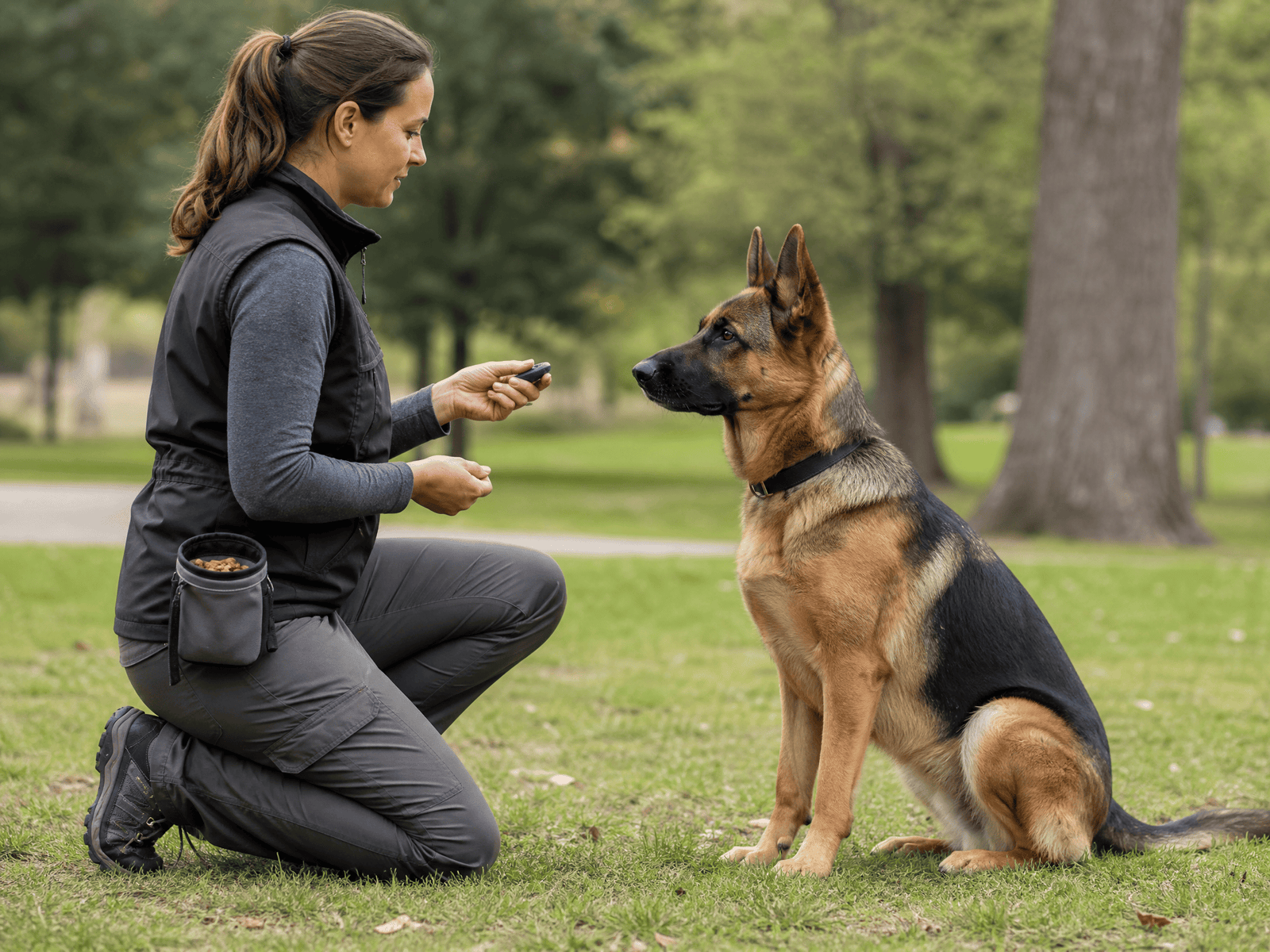
The Historical Foundation: Max von Stephanitz and the GSD Mind
To choose a trainer, one must first understand what a German Shepherd is meant to be. Captain von Stephanitz’s motto was ‘Utility and Intelligence.’ He believed that a GSD should be a tireless worker, capable of independent decision-making while remaining under the handler’s control. Modern private trainers who respect this history focus on ‘drive channeling’ rather than ‘drive suppression.’
If a trainer suggests that your GSD’s energy is a ‘problem’ to be eliminated, they do not understand the breed. An expert trainer will instead show you how to give that energy a constructive outlet, whether through nose work, advanced obedience, or structured play. This historical context is vital because it informs the trainer’s approach to the dog’s natural suspicion of strangers—a trait von Stephanitz prized but which requires careful management today.
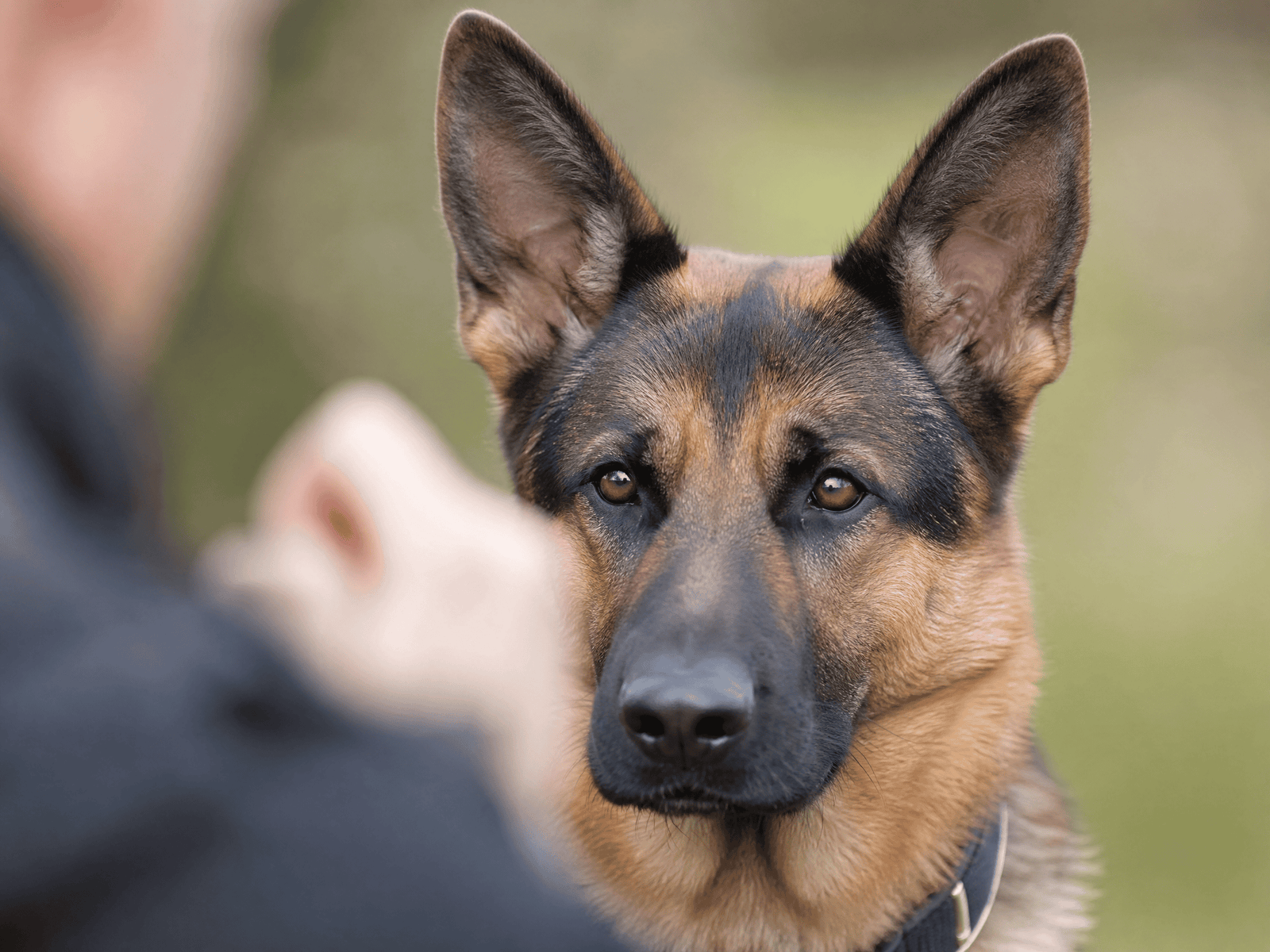
Cognitive Science: How German Shepherds Learn
Research into canine cognition has shown that German Shepherds possess high levels of ‘adaptive intelligence’—the ability to solve problems on their own. They are also exceptionally sensitive to human body language and vocal tone. A private German Shepherd trainer must be well-versed in modern learning theory to effectively communicate with such a sophisticated mind.
Classical vs. Operant Conditioning
An expert trainer will use both classical conditioning (changing emotional responses) and operant conditioning (teaching that actions have consequences). For example, when dealing with a GSD that is reactive to the doorbell, a pro won’t just ‘correct’ the barking. They will use classical counter-conditioning to make the doorbell a predictor of high-value rewards, effectively changing the dog’s emotional state from ‘alarm’ to ‘anticipation.’
The Role of Associative Learning
GSDs are masters of association. If a trainer uses aversives (pain or fear) during training, the dog may associate that pain not just with their ‘bad’ behavior, but with the trainer, the owner, or the environment. This ‘associative fallout’ is a leading cause of redirected aggression in the breed. This is why the LIMA protocol is so critical; it ensures that we use the most humane and effective methods first.

Why Private Training is the Gold Standard for GSDs
While group classes provide a baseline, they cannot match the efficacy of private instruction for this specific breed. Here is a detailed breakdown of the private training advantage:
- Precision Timing: GSDs process information at lightning speed. In a private session, the trainer can focus exclusively on your ‘mark’ (the moment you click or say ‘yes’) to ensure you are rewarding the exact behavior you want.
- Threshold Management: Every dog has a ‘threshold’—the distance at which they can see a trigger (like another dog) without losing control. A private trainer can identify this precise distance and work systematically to decrease it, something that is nearly impossible in a crowded group class.
- Customized Curriculum: Does your GSD guard the car? Bark at the mailman? Refuse to let guests sit on the couch? Private training addresses the specific ‘real-world’ problems that affect your quality of life.
- Handler Confidence: Many GSD owners feel embarrassed or anxious when their dog acts out. A private trainer provides a safe, judgment-free space for the owner to build the skills and confidence needed to lead a powerful dog.
Professional Credentials: The Industry ‘Alphabet Soup’
Because the dog training field is unregulated, certifications are your only defense against incompetence. Look for these specific credentials when interviewing a private German Shepherd trainer:
| Credential | Full Name | Expertise Level |
|---|---|---|
| CPDT-KA | Certified Professional Dog Trainer-Knowledge Assessed | Foundational. Verifies knowledge of learning theory, husbandry, and instruction. |
| CBCC-KA | Certified Behavior Consultant Canine-Knowledge Assessed | Advanced. Focuses on complex behavior modification (aggression, fear, anxiety). |
| CDBC | Certified Dog Behavior Consultant (IAABC) | Elite. Requires extensive case studies and peer review by behavior experts. |
| KPA CTP | Karen Pryor Academy Certified Training Partner | Specialist. High-level mastery of clicker training and positive reinforcement. |
| DACVB | Diplomate of the American College of Veterinary Behaviorists | Medical. A veterinarian with years of residency in animal behavior. |
If a trainer claims to be ‘certified’ but cannot name the issuing body, or if their certification comes from a weekend seminar, keep looking. For a broader overview of training standards, see our GSD behavior guide.
The Methodology Deep Dive: R+ vs. Balanced
The choice of methodology is perhaps the most contentious issue in GSD training. As a specialist publication, we advocate for evidence-based, humane methods that prioritize the dog’s welfare.
Positive Reinforcement (Force-Free)
This method focuses on ‘capturing’ and ‘shaping’ desired behaviors. For the intelligent GSD, this becomes a game they want to win. It builds a dog that is an active participant in the training process, rather than a passive recipient of commands. This approach is especially vital for GSDs with fear-based issues, where punishment would only increase their anxiety.
The Risks of ‘Traditional’ or ‘Balanced’ Training
Traditional methods often rely on ‘positive punishment’—adding something unpleasant to stop a behavior. While this can produce fast results, it often comes at a high cost for German Shepherds. The breed is prone to ‘learned helplessness,’ where they stop trying altogether to avoid pain. Furthermore, suppressed aggression is a significant risk; a dog that is punished for growling may stop growling but still bite without warning. Always ask a trainer: ‘What happens when my dog gets it wrong?’ An expert’s answer should focus on management and redirection, not physical retribution.
The Nuances of Socialization for German Shepherds
One of the most common reasons owners seek a private German Shepherd trainer is ‘socialization’ issues. However, socialization for a GSD is often misunderstood. It is not about meeting every person and dog; it is about neutrality.
An expert trainer will teach you that a well-socialized GSD is one that can walk through a crowded farmer’s market or past a barking dog while remaining focused on their handler. This ‘engagement’ is the holy grail of GSD training. A private trainer will help you build this focus through games and structured exposure, ensuring your dog views you as the most interesting thing in the environment. For puppy-specific socialization timelines, refer to our comprehensive puppy guide.
Equipment Deep Dive: Tools of the Private Pro
A private trainer will often evaluate your current equipment. For a German Shepherd, the choice of gear is not just about control, but about communication and safety.
Harnesses vs. Collars
Many owners use neck collars, but for a GSD that pulls, this can put dangerous pressure on the thyroid and trachea. A high-quality, Y-front harness (like those from Ruffwear or Blue-9) allows for full range of motion while giving the owner a secure point of attachment. A private trainer may recommend a front-clip harness to reduce pulling without causing pain.
The Long Line: Freedom with Safety
One of the most powerful tools a private trainer will introduce is the ‘long line’ (15-30 feet). This allows the dog to explore and sniff—critical for their mental health—while still being safely connected to the owner. It is the bridge to reliable off-leash recall.
Muzzles: The Responsible Owner’s Best Friend
If your GSD is reactive, a private trainer may suggest muzzle training. Contrary to popular belief, a muzzle is not a sign of a ‘bad dog’; it is a sign of a responsible owner. It provides a ‘safety net’ that allows the trainer to work on behavior modification without the risk of a bite incident.
Training in the Digital Age: The Role of Video Reviews
A modern trend in private training is the ‘hybrid’ model, where in-person sessions are supplemented by video reviews. Because GSDs often behave differently when a trainer is present (the ‘trainer effect’), recording your home sessions allows the professional to see the dog’s natural behavior. They can then provide frame-by-frame feedback on your timing and the dog’s micro-signals, ensuring that the training holds up when you are alone.
The Importance of Handler Body Language
German Shepherds are ‘visual’ learners. They often read your shoulders and eyes before they hear your voice. A private trainer will teach you how to use your body to communicate authority and calm. For example, leaning forward can be perceived as a threat by a reactive GSD, while a slight turn of the shoulders can invite the dog into a ‘heel’ position. Mastering these subtle cues is what separates a novice owner from a true handler.
A 6-Month Roadmap for Private Training Success
Training a GSD is a marathon, not a sprint. Here is a realistic roadmap of what a private trainer might work on with you over the first six months:
- Month 1: Foundation & Management. Focus on ‘marker’ training, building value for the owner, and setting up the home environment for success.
- Month 2: Engagement & Focus. Teaching the dog to ‘check-in’ voluntarily in low-distraction environments.
- Month 3: Impulse Control. Exercises like ‘Leave It,’ ‘Wait at Doors,’ and ‘Stay’ while high-value items (balls, food) are present.
- Month 4: Urban Neutrality. Taking the training to the ‘real world’—parks, pet-friendly stores, and busy streets.
- Month 5: Advanced Skills. Emergency recall, distance cues, and ‘place’ training with high-level distractions.
- Month 6: Maintenance & Enrichment. Transitioning from formal lessons to a lifestyle of mental stimulation and bonding.
The Owner’s Mindset: Training the Human
The most important part of private German Shepherd training is the owner. GSDs are mirrors of their handlers. If you are anxious, they will be anxious. If you are inconsistent, they will be confused. An expert trainer will spend as much time coaching you on your body language and emotional regulation as they do on the dog. They will teach you the ‘GSD owner’s mindset’: calm, assertive (not aggressive), and always one step ahead of the dog’s next decision.
Niche Outlets: Beyond Basic Obedience
For a German Shepherd, ‘sitting’ is boring. A private trainer can help you find ‘niche’ outlets for their drive:
- Nose Work: Using the GSD’s incredible olfactory system to find hidden scents. This is one of the most tiring activities for a dog’s brain.
- Urban Tracking: Teaching the dog to follow a specific human trail through various terrains.
- Treibball: A ‘herding’ sport using large exercise balls—perfect for high-drive dogs in suburban yards.
Senior GSD Training: Adapting for the Golden Years
Training doesn’t stop when a GSD gets old. A private trainer can help you adapt your routine for a senior dog. This might involve ‘low-impact’ mental games to combat canine cognitive decline or modifying cues for a dog with hearing or vision loss. It is about maintaining their quality of life through continued engagement. For more on senior care, see our GSD health guide.
Cost Analysis: Investing in Your Dog’s Future
Private training is an investment that pays dividends in safety and companionship. In 2026, professional rates reflect the high level of skill required to handle this breed:
- Comprehensive Behavioral Assessment: $200 – $450. This should result in a detailed written report and roadmap.
- In-Home Private Lessons: $125 – $300 per hour. Prices vary by travel distance and trainer experience.
- Intensive Training Packages: $1,000 – $3,500. These typically include 8-12 sessions and ongoing support.
- Day Training: $150 – $250 per day. The trainer works with the dog during the day and ‘transfers’ the skills to the owner in the evening.
While these costs may seem high, consider the alternative: the cost of property damage, veterinary bills from dog fights, or the legal liability of a bite incident. Investing in an expert early is always the more economical choice. Learn more about the financial aspects of ownership in our GSD cost guide.
20 Questions to Ask a Potential Trainer
Before committing to a private German Shepherd trainer, conduct a thorough interview. An expert will welcome these questions:
- What certifications do you hold from independent bodies like CCPDT or IAABC?
- What is your experience with high-drive working-line German Shepherds?
- Can you explain the LIMA principle and how it applies to your work?
- What specific tools do you use, and what is your criteria for using them?
- How do you handle a dog that is shut down or fearful?
- What happens if my dog does not respond to a reward?
- Do you have professional liability insurance?
- Can you provide three references from GSD owners you have worked with?
- How do you stay current with behavioral science?
- What is your plan for transferring the training to me, the owner?
The Role of Genetics: DDR vs. Show Lines
A truly expert private trainer will ask about your dog’s pedigree. A dog from East German (DDR) or Czech working lines has vastly different mental requirements than a dog from American show lines. Working lines often possess ‘higher thresholds’ for pain but ‘lower thresholds’ for arousal. They require a trainer who can handle intense ‘prey drive’ and channel it into work. If your trainer doesn’t ask about your dog’s lineage, they may be missing a critical piece of the behavioral puzzle.
Safety, Aggression, and Red Flags
German Shepherds are large, powerful animals. If your dog is showing signs of aggression, safety must be the absolute priority. A private trainer should immediately implement a management plan—muzzle training, crate safety, and ‘double-leashing’ protocols. Be wary of any trainer who promises to ‘fix’ aggression in a few sessions. True behavior modification takes time, patience, and a deep understanding of the dog’s internal state. If you are struggling with these issues, read our specialized guide on managing GSD aggression.
Red Flags to Watch For:
- The ‘Alpha’ Myth: Any trainer using ‘dominance’ or ‘pack leader’ terminology is using outdated, debunked science.
- Flooding: Forcing a fearful dog to ‘face its fears’ without a way to escape. This often leads to ‘shattered’ temperaments.
- Lack of Empathy: If the trainer seems more interested in ‘controlling’ the dog than understanding them, walk away.
Conclusion: The Path to a Balanced Guardian
Finding the right private German Shepherd trainer is a journey of discovery for both you and your dog. It requires looking beyond flashy marketing and focusing on the rigorous standards of behavioral science and breed-specific expertise. When you find that perfect partner, you won’t just have a dog that sits on command; you will have a balanced, confident guardian who is a joy to live with. Your German Shepherd is a legacy of a century of careful breeding—give them the expert guidance they deserve.
References
- Certification Council for Professional Dog Trainers (CCPDT)
- International Association of Animal Behavior Consultants (IAABC)
- American Kennel Club (AKC): How to Choose a Dog Trainer
- German Shepherd Dog Club of America (GSDCA): Education and Training
- American College of Veterinary Behaviorists (ACVB)
- Companion Animal Psychology: Evidence-Based Dog Training