
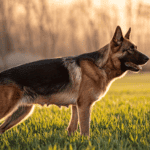
Learn how to choose the right professional groomer for your German Shepherd. Discover key questions to ask about double-coat care, deshedding, and safety.
Finding a professional groomer who understands the needs of a German Shepherd is important for your dog’s comfort, safety, and coat health. German Shepherds have a double coat and a reputation for seasonal heavy shedding, and not every groomer has the experience or facilities to manage that breed well. This guide explains what to ask, what to expect, how to spot red flags, and how to prepare your dog so grooming appointments are safe and low-stress for everyone involved.
Why choosing the right groomer matters for a German Shepherd
German Shepherds are large, strong dogs with a dense undercoat and a longer topcoat. Their coat needs vary by season and individual genetics: some require routine deshedding and blowouts to remove dead undercoat during shedding seasons, while others mainly need nail trims, ear checks, and baths.
A groomer who understands the breed will:
- Use appropriate tools and techniques for a double coat instead of recommending clipping that can damage the coat.
- Recognize skin issues, matting, ear infections, or parasites and advise when veterinary attention is needed.
- Handle large, potentially nervous dogs safely and humanely.
For basics on at-home care you can do between professional visits, see our German Shepherd grooming foundations guide for step-by-step routines and tools.
Where to start your search
Begin with recommendations from people who own similar dogs, your veterinarian, and local breed clubs. Online reviews are useful but read them critically — look for recurring praises or complaints rather than one-off comments.
Consider these sources:
- Word-of-mouth from other German Shepherd owners or rescue groups.
- Your veterinarian’s list of recommended groomers — vets often refer clients to groomers who follow health-first practices.
- Local professional groomer associations or social media community groups focused on large-breed dogs.
Essential questions to ask before you book
Call or email potential groomers and ask direct questions. Their answers will tell you a lot about experience, safety standards, and their approach to handling dogs.
Experience and breed familiarity
- How long have you been grooming German Shepherds or other large double-coated breeds?
- Can you describe typical services you provide for a German Shepherd (e.g., deshed, bath and blowout, nail trim)?
Handling, training, and behaviour management
- How do you handle dogs that are nervous, mouthy, or react under stress?
- Do you use positive, reward-based handling techniques? (Avoid groomers who advocate forceful, punitive, or aversive methods.)
Health checks and veterinarian communication
- Do you check ears, skin, teeth, and paw pads and alert owners to concerns?
- Will you contact my veterinarian if you find anything concerning during the grooming session?
Tools, products, and facility standards
- Which brushes, de-shedding tools, clippers, and drying equipment do you use?
- Are products hypoallergenic or fragrance-free options available if my dog has sensitive skin?
Safety, insurance, and staff training
- Are you licensed and insured for grooming? (Insurance indicates they expect to run a professional operation and can cover incidents.)
- What first-aid supplies do you have on site, and do staff have any animal first-aid training?
Pricing, time estimates, and cancellation policies
- Do you offer time estimates and transparent pricing for full-service groom vs. bath-and-dry vs. nail trim only?
- What is your policy if a groom takes longer because of matted fur or behaviour concerns?
Services to expect for a German Shepherd
A professional groomer should offer specific services tailored to a double-coated, large-breed dog. Typical services include:
- Bath, thorough drying, and blowout to remove loose undercoat.
- De-shedding treatments using appropriate rakes and tools.
- Nail trimming and filing, ear checks and cleaning, and sanitary trims.
- Spot grooming around paws and sanitary areas rather than full-body clipping — full shaving of a double coat is usually unnecessary and can harm the coat and the dog’s ability to regulate temperature.
If a groomer recommends shaving a healthy German Shepherd’s double coat, ask why and for alternatives; shaving can lead to coat texture changes and heat sensitivity. A vet or experienced breed professional can advise if a medical reason warrants clipping.
Humane handling and stress reduction
Good groomers prioritize low-stress handling. Look for these signs:
- Use of treats, praise, and slow, calm approach to new dogs.
- Ability to break services into shorter sessions if the dog is overwhelmed (e.g., nail trim one day, bath another).
- Use of non-slip surfaces, secure grooming arms or harnesses that support, not choke, and avoidance of forceful restraint.
Avoid groomers who recommend intimidation, strong physical restraint, or devices designed to punish behavior. If you are unsure about handling techniques, ask whether they work with qualified, reward-based behavior professionals for dogs with reactivity or fear issues.
Red flags to watch for
Some warning signs indicate a groomer might not be a good fit for your German Shepherd:
- Pushy upselling of unnecessary services (like full-body clipping for a healthy double coat) without clear justification.
- Poor hygiene in the facility: dirty tubs, soiled towels, or matted dogs in cages.
- Lack of answers about insurance, first aid, or what they do when a dog shows fear or aggression.
- Staff use aversive tools or appear impatient and hurried with dogs.
Preparing your German Shepherd for a groom
Preparing your dog reduces stress and helps grooming go smoothly:
- Practice handling sessions at home: touch paws, ears, and muzzle for short periods paired with treats.
- Brush regularly between appointments to reduce matting and make the groomer’s job easier.
- Bring your dog’s vaccination records if required and any notes about health issues or sensitivities.
- Arrive calm and avoid over-exciting your dog right before drop-off.
If your dog has strong fear or aggression, consult a qualified reward-based behavior professional before regular grooming appointments. They can help create a stepwise plan with the groomer to keep sessions safe and productive.
Handling health concerns and veterinary collaboration
Groomers routinely notice issues such as hotspots, skin irritation, ear redness, unusual lumps, or parasite activity. A groomer can flag these signs and recommend veterinary evaluation, but they cannot diagnose or prescribe. If a groomer points out something unusual, contact your veterinarian for assessment. For an overview of health changes that may need veterinary attention, see our guide to health changes that may need veterinary attention.
It’s reasonable to expect a professional groomer to have a policy for escalating concerns: photographing the issue (with your consent), documenting it, and contacting you quickly so you can take your dog to the vet.
Drop-off versus stay-and-watch: pros and cons
Decide whether you prefer to leave your dog or stay nearby during the grooming session. Each approach has advantages:
- Drop-off: Less stressful for a dog that becomes anxious when their owner is present; allows the groomer to work without distractions.
- Stay-and-watch: Good for a first visit to see how staff handle your dog and to confirm hygiene and safety practices.
If you stay, keep interactions minimal and let the groomer manage the process. If you drop off, confirm expected pick-up time and clear communication channels (phone/text) if there are issues.
Pricing expectations and when extra charges apply
Pricing varies by region, facility, dog size, coat condition, and services performed. Expect higher prices for large breeds that require more time and specialized equipment. Extra charges are common for:
- Severely matted coats that need extra time or sedation (note: sedation is a medical decision and should involve a vet).
- Behavioral issues that require multiple handlers or longer sessions.
- Emergency veterinary transport if a serious health issue is discovered during grooming.
A reputable groomer will explain potential additional costs ahead of time and get consent before proceeding with chargeable extras.
Typical first-visit checklist
Before or during your first appointment, confirm the following:
- Vaccination requirements and whether you need to bring records.
- Expected services and an estimated timeframe.
- Staff experience with German Shepherds and double coats.
- Policies on handling, emergencies, extra charges, and owner presence.
- Contact methods and whether they will call if the groom is taking longer than planned.
Practical examples: questions and responses
Example 1 — Good response:
“We’ve worked with many German Shepherds. We use de-shedding tools and high-velocity dryers to remove undercoat, and we do not recommend full shaving unless a vet advises it. We use treats and slow introductions for nervous dogs and will split the appointment if needed.”
Example 2 — Concerning response:
“We usually shave double-coated dogs because it’s faster — we can get them done the same day.”
The first groomer demonstrates breed knowledge and humane handling; the second suggests a blanket approach that may damage the coat.
Key takeaways and quick checklist
- Ask about specific experience with German Shepherds and double coats.
- Confirm humane, reward-based handling techniques and avoidance of punitive methods.
- Check insurance, first-aid preparedness, and communication policies for health concerns.
- Expect deshedding tools and blow-drying rather than unnecessary full-body clipping.
- Prepare your dog with home handling practice and regular brushing between appointments.
Sources and Limits
This article links to practical guidance from established animal welfare organisations and our in-site resources for breed-specific care. For general guidance on choosing a groomer, see the RSPCA’s advice on Choosing the Right Dog Groomer. For basic grooming tips you can use at home, review the ASPCA’s Dog Grooming Tips.
For breed-specific grooming routines and at-home maintenance, consult our German Shepherd grooming foundations resource. If a groomer identifies any skin, ear, or behavioural issues, follow up with your veterinarian; for more on potential warning signs and veterinary priorities, see our guide to health changes that may need veterinary attention.
Limits: This article provides general information but is not a substitute for hands-on advice from a qualified veterinarian, a certified professional groomer, or a qualified reward-based behaviour professional. For health, emergency, or behavioural problems specific to your dog, contact a licensed veterinarian or certified trainer who can assess your dog in person.
Related German Shepherd Haven Guides
For more practical context, read German Shepherd grooming foundations and health changes that may need veterinary attention.