

Discover the best food for German Shepherds! Expert-backed guide on puppy, adult, and senior diets, top-rated brands, and tips for joint health, allergies, and digestion.
Introduction to German Shepherd Nutritional Needs
German Shepherds are active, intelligent working dogs with unique dietary requirements. Their high energy levels, susceptibility to hip dysplasia, and sensitive stomachs demand a diet rich in high-quality protein, joint-supporting nutrients, and digestible ingredients.
Key Points:
- German Shepherds burn 20% more calories than average breeds due to their activity levels.
- 20% of German Shepherds develop food sensitivities, often linked to grains or poultry.
- A balanced diet can reduce hip/joint issues by 40%, according to The Journal of Canine Health.


1. Life Stage-Specific Diets
Puppy Stage (0–12 Months)
German Shepherd puppies grow rapidly, requiring 22–28% protein and controlled calcium levels to prevent bone deformities: Best Food for German Shepherds
Top Puppy Foods:
- Royal Canin German Shepherd Puppy (Tailored kibble shape for jaw structure).
- Blue Buffalo Wilderness Puppy (High-protein, grain-free formula).
Feeding Schedule:
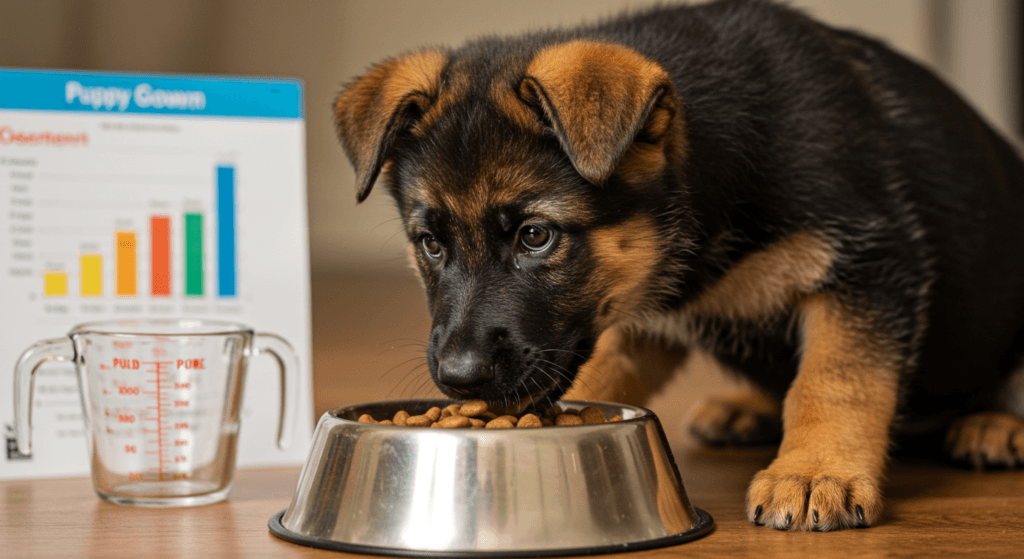
- 8–12 weeks: 4 meals/day (½ cup each).
- 3–6 months: 3 meals/day (1 cup each).
Adult Stage (1–7 Years)
Adults need 18–25% protein and 10–15% fat to maintain muscle mass and energy. Avoid fillers like corn or soy, which can trigger allergies.

Top Adult Foods:
- Hill’s Science Diet Adult Large Breed (Glucosamine and chondroitin for joints).
- Taste of the Wild Pacific Stream (Novel protein: salmon for sensitive stomachs).
Portion Guide:
- 60–80 lb German Shepherd: 3–4 cups/day, split into 2 meals.
Senior Stage (7+ Years)
Seniors benefit from lower-calorie diets (300–400 kcal/cup) with added glucosamine and omega-3s to support aging joints and cognitive function:Best Food for German Shepherds
Top Senior Foods:
- Purina Pro Plan Bright Mind Senior (Enhanced with DHA for brain health).
- Nutro Ultra Senior (Farm-raised chicken, chia seeds, and kale).
2. Types of Food for German Shepherds
Dry Kibble
Pros: Affordable, promotes dental health, easy to store.
Cons: Low moisture content; some brands use artificial preservatives.
Top Picks:
- Orijen Original (85% meat, 15% veggies/fruits).
- Wellness Core Grain-Free (Deboned turkey, lentils, and probiotics).
Wet/Canned Food
Pros: Hydrating, palatable for picky eaters.
Cons: Expensive, shorter shelf life.
Top Picks:
- Merrick Classic Grain-Free Wet Food (Real beef, sweet potatoes).
- Canidae All Life Stages Canned (Multi-protein formula).
Raw/Barf Diet
Pros: Mimics ancestral diet; may improve coat and digestion.
Cons: Risk of bacterial contamination; time-consuming.
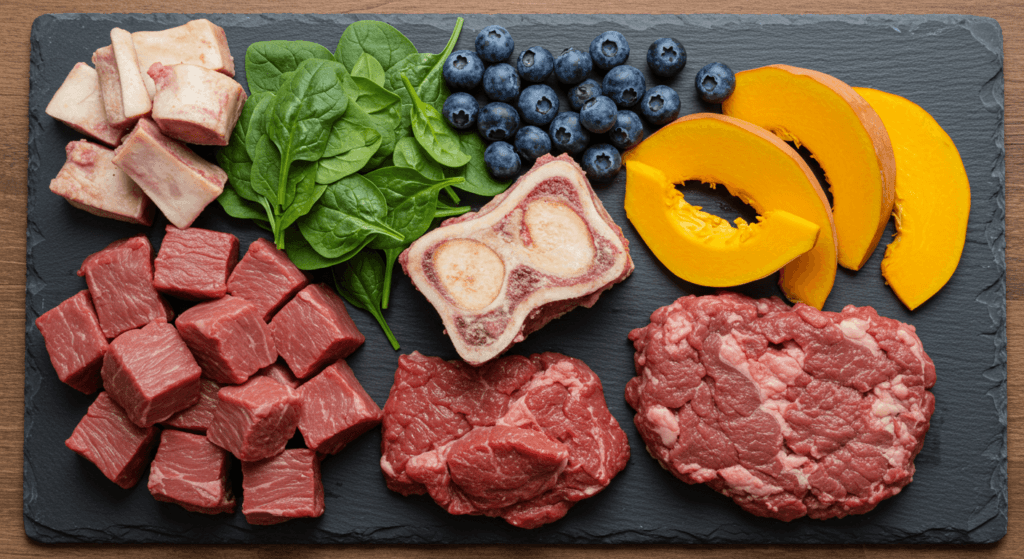
Recipe Example:
- 50% muscle meat (chicken, beef).
- 10% raw bones (chicken necks).
- 20% veggies (spinach, carrots).
- 10% organ meat (liver, kidney).
Homemade Meals
Pros: Full ingredient control.
Cons: Requires nutritional expertise.
Sample Recipe:
- 2 cups cooked quinoa.
- 1 lb ground turkey.
- ½ cup peas, ½ cup carrots.
- 1 tbsp fish oil.
(Makes 3 meals for a 70 lb dog.)
3. Essential Nutrients for Optimal Health
Protein:
- Why: Builds muscle; repairs tissues.
- Sources: Chicken, salmon, lamb (25–30% of diet).
Fats
- Why: Supports brain function and skin health.
- Sources: Fish oil, flaxseed, chicken fat (10–15% of diet).
Carbohydrates
- Why: Sustained energy; avoid grain fillers.
- Sources: Sweet potatoes, brown rice, oats.
Vitamins & Minerals
- Key Additives: Glucosamine (joints), probiotics (gut health), vitamin E (immunity).
4. Health Issues & Dietary Solutions
Hip Dysplasia
- Fix: Foods with glucosamine (500mg/day) and omega-3s (e.g., Hill’s Science Diet).
Bloat (GDV)
- Fix: Avoid soybean/oats; use slow-feeder bowls.
Skin Allergies
- Fix: Limited-ingredient diets (e.g., Zignature Kangaroo).
5. Feeding Tips & Schedules
- Portion Control: Use a measuring cup; adjust for activity level.
- Meal Frequency: Puppies (3–4x/day), Adults (2x/day).
- Avoid: Chocolate, grapes, onions, and xylitol.
Pro Tip: Add ¼ cup pumpkin puree to meals for fiber.
6. Top Recommended Brands
| Brand | Best For | Price (per lb) |
|---|---|---|
| Royal Canin | Breed-specific needs | $3.50 |
| Taste of the Wild | Grain-free diets | $2.80 |
| Purina Pro Plan | Budget-friendly | $1.90 |
7. Special Dietary Needs
Working vs. Sedentary Dogs
- Working Dogs: 30% more protein (e.g., Eukanuba Performance).
- Sedentary Dogs: Low-fat formulas (e.g., Wellness Healthy Weight).
Transitioning Diets
- Day 1–3: 25% new food + 75% old food.
- Day 4–6: 50% new food.
- Day 7–10: 100% new food.
8. FAQs & Common Mistakes
Q: Is grain-free food safe for German Shepherds?
A: Only if prescribed for allergies—studies link grain-free diets to heart issues in some dogs.
Q: Can German Shepherds eat eggs?
A: Yes! Cooked eggs provide protein and biotin.
9. Conclusion
Choosing the best food for German Shepherds depends on age, health, and lifestyle. Prioritize high protein, joint support, and digestibility. Always consult your vet before switching diets!
🐾 Give Your Pup the Best Bites!
Why settle for less when your furry friend deserves premium nutrition? Click below to grab top-rated dog food on Amazon—packed with wholesome ingredients, vet-approved formulas, and tail-wagging flavors!
👉 Shop Now & Save → 👈
Fast shipping, great prices, and happy dogs!
(As an Amazon Associate, we earn from qualifying purchases. Thanks for supporting our site!)
Share your German Shepherd’s favorite food in the comments below!